What transportation options are available for residents commuting from RBS Alef to Jerusalem?
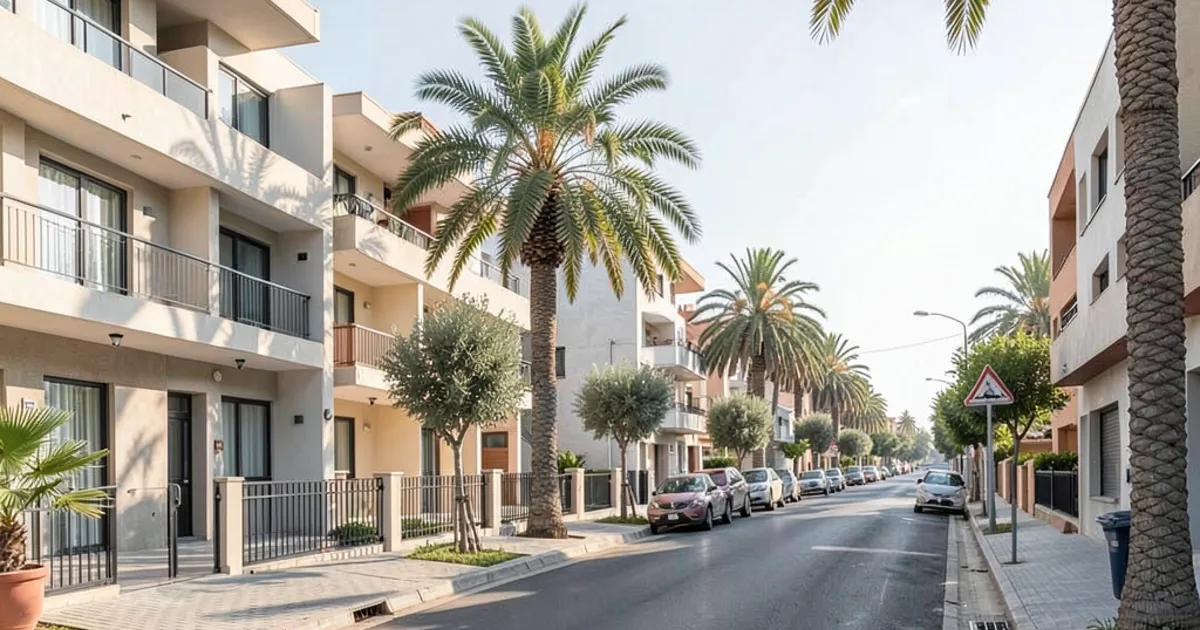
For residents of Ramat Beit Shemesh Alef, particularly those who have made Aliyah and are building their lives in what is affectionately known as the 'Anglo heartland,' the daily commute to Jerusalem is a significant consideration. Whether for work, education, shopping, or leisure, understanding the various transportation options is crucial for seamless integration into Israeli society. This in-depth guide aims to provide a comprehensive overview, offering practical advice and insights to help you navigate the journey between RBS Alef and the bustling capital.
- Why is the RBS Alef to Jerusalem Commute So Important for Residents?
- Exploring Public Bus Services: The Backbone of Commuter Travel
- The Train Option: A Faster, More Predictable Journey?
- Private Vehicle Commuting: Flexibility with a Price Tag
- Carpooling and Ride-Sharing: Community-Based Solutions
- The Light Rail Connection: Extending Reach within Jerusalem
- Future Developments and Infrastructure Upgrades: What's on the Horizon?
- Navigating Peak Hours and Holiday Travel: Strategic Planning is Key
- Cost-Benefit Analysis: Public Transport vs. Private Vehicle
- Tips for a Smoother Commute: Expert Advice for RBS Alef Residents
- The Impact of Commuting on Lifestyle and Property Decisions in RBS Alef
Why is the RBS Alef to Jerusalem Commute So Important for Residents?
Ramat Beit Shemesh, and specifically RBS Alef, has grown into a vibrant community, attracting a diverse Anglo population seeking a particular lifestyle. However, Jerusalem remains the primary economic, educational, and cultural hub for many, making the daily commute an unavoidable reality for a significant portion of the population. Understanding the nuances of this journey is not just about logistics; it's about optimizing daily life, managing time effectively, and maintaining a high quality of living while balancing commitments in both locations.
The decision to reside in RBS Alef often comes with a trade-off: a quieter, more community-focused environment compared to the intensity of Jerusalem, but at the cost of a daily journey. This means that factors like travel time, cost, comfort, and reliability of transportation become key considerations for families and individuals. From schoolchildren attending specialized yeshivas or schools in Jerusalem to professionals working in various sectors, the commute dictates schedules and impacts overall family dynamics.
Furthermore, for olim chadashim still finding their footing, the commute can be a critical element in their acclimation process. Learning the public transport system, understanding traffic patterns, and identifying the most efficient routes are all part of settling in. RBSRealEstate aims to empower residents with the knowledge to make informed decisions, ensuring their move to RBS Alef is as smooth and rewarding as possible.
The connectivity between RBS Alef and Jerusalem isn't just about getting from point A to point B; it's about maintaining a connection to the broader Israeli economy and society. Many residents rely on Jerusalem for specialized medical services, government offices (like Misrad HaPnim or Mas Hachnasa), or even for accessing cultural events and institutions not available in Beit Shemesh. Therefore, efficient and accessible transportation options are not merely conveniences but necessities for a fully integrated life.
Exploring Public Bus Services: The Backbone of Commuter Travel
Public bus services are arguably the most common and accessible mode of transportation for RBS Alef residents commuting to Jerusalem. The primary operator, Egged, runs frequent routes connecting various points within Beit Shemesh, including RBS Alef, to key destinations in Jerusalem. These routes are designed to cater to peak commuter hours, offering a relatively affordable and consistent option for daily travel.
From RBS Alef, commuters typically access bus lines that travel along Derech Yirmeyahu or parallel routes, heading directly towards Jerusalem's central bus station (Tachana Merkazit) or other significant hubs like the Malcha Mall area. Understanding the specific bus numbers, their routes, and the frequency of service is crucial. Apps like 'Moovit' or 'Bus.gov.il' are indispensable tools for real-time tracking and planning, providing up-to-the-minute information on bus arrivals and potential delays.
While buses offer convenience, particularly for those without private vehicles, they are subject to Jerusalem's notorious traffic, especially during rush hours. Travel times can fluctuate significantly depending on the time of day and specific route taken. It's advisable for commuters to factor in extra time, particularly for critical appointments or during periods of heightened traffic congestion, such as holiday seasons or school holidays.
Paying for bus services in Israel is predominantly done via the 'Rav-Kav' smart card, which can be loaded with credit or various subscription plans. For frequent commuters, a monthly pass (Chofshi Hodshi) covering the Beit Shemesh-Jerusalem route can offer substantial savings. It's important to ensure your Rav-Kav is topped up and valid for the relevant zones to avoid any inconvenience during your commute.
The Train Option: A Faster, More Predictable Journey?
For those seeking a potentially faster and more predictable commute, the train service from Beit Shemesh to Jerusalem offers an attractive alternative to buses. The modern high-speed rail line connects Beit Shemesh to Jerusalem's Yitzhak Navon station, located conveniently near the Central Bus Station and the entrance to the city. This particular station is a significant upgrade from older rail lines, designed for efficiency and speed.
While the train station is not directly within RBS Alef, it is easily accessible via local feeder bus lines or a short drive. Commuters from RBS Alef would typically take a local bus or private vehicle to the Beit Shemesh train station, then transfer to the high-speed rail. The train journey itself is considerably quicker than a bus ride, cutting through traffic and offering a more relaxed travel experience.
However, the train option does introduce a multi-modal commute for many, requiring a transfer. This adds a layer of complexity and can extend overall travel time if connections are not seamless. Residents should research the schedules of both the feeder buses and the train to optimize their travel plan. The train also operates on a less frequent schedule than buses, especially during off-peak hours and on weekends/holidays, so planning is essential.
Similar to buses, train tickets and passes are managed via the Rav-Kav card. Monthly passes that include both bus and train travel can be a cost-effective solution for regular commuters. The train offers amenities like Wi-Fi and comfortable seating, making it a preferred choice for those who wish to work or relax during their journey, free from the stop-and-go nature of road travel.
Private Vehicle Commuting: Flexibility with a Price Tag
Commuting by private vehicle offers unparalleled flexibility and convenience for RBS Alef residents. It allows for door-to-door travel, eliminates the need for transfers, and provides the freedom to depart and arrive on one's own schedule. Many families, particularly those with multiple commitments or young children, find a private car to be an essential tool for managing their daily logistics.
The primary route from Beit Shemesh to Jerusalem is typically Route 38, connecting to Route 1. This highway is a major artery and can experience significant congestion during peak hours, particularly in the morning towards Jerusalem and in the late afternoon/early evening returning to Beit Shemesh. Traffic conditions can dramatically impact travel times, turning a seemingly short drive into a prolonged journey.
Parking in Jerusalem is another significant consideration. Finding affordable and accessible parking can be challenging, especially in central areas. Many commuters opt to park at 'Park and Ride' facilities located on the outskirts of Jerusalem and then transfer to public transport, such as the light rail or local buses, to reach their final destination. This strategy can save time and money compared to driving directly into the city center.
The costs associated with private vehicle commuting are substantial. These include fuel expenses, car maintenance, insurance, and potential parking fees. When considering a property in RBS Alef, it's prudent to factor these ongoing costs into your monthly budget, especially if your commute to Jerusalem is a daily occurrence. While offering freedom, the financial and time investments of private vehicle commuting should be carefully weighed against public transport alternatives.
Carpooling and Ride-Sharing: Community-Based Solutions
In a close-knit community like RBS Alef, carpooling and ride-sharing have emerged as popular and practical solutions for the Jerusalem commute. These options not only help reduce transportation costs and traffic congestion but also foster community connections. Many residents utilize dedicated WhatsApp groups or local forums to coordinate rides, making it easier to find compatible travel partners.
Carpooling can significantly cut down on fuel expenses and parking costs, as these are shared among passengers. It also offers a more environmentally friendly alternative to single-occupancy vehicle travel. For those who don't own a car or prefer not to drive daily, finding a reliable carpool can provide a consistent and comfortable way to commute without relying solely on public transport schedules.
Beyond the financial and environmental benefits, carpooling can transform the commute from a solitary chore into a social opportunity. It allows for networking, shmoozing, or even learning Hebrew (ulpan) during the journey, making the travel time more productive or enjoyable. The flexibility of coordinating with fellow commuters also means that schedules can often be adapted to individual needs more readily than fixed public transport timetables.
Ride-sharing apps, while less prevalent for daily long-haul commutes compared to urban short trips, can also be an option for occasional travel or when a last-minute ride is needed. However, for a consistent daily commute from RBS Alef to Jerusalem, organized carpools within the community tend to be more reliable and cost-effective. These community-led initiatives exemplify the supportive nature of the Anglo population in Ramat Beit Shemesh.
The Light Rail Connection: Extending Reach within Jerusalem
While the light rail does not extend directly to Beit Shemesh, it plays a vital role in the Jerusalem leg of many RBS Alef commutes. Once commuters arrive in Jerusalem via bus, train, or private vehicle, the light rail often serves as an efficient way to navigate within the city, reaching various neighborhoods and popular destinations without the hassle of city traffic or parking.
The Jerusalem Light Rail connects major arteries and points of interest, from Pisgat Ze'ev in the north to Mount Herzl in the west. Its route covers significant areas like the Central Bus Station, Machane Yehuda Market, Jaffa Road, and the Old City, making it incredibly useful for reaching workplaces, educational institutions, or cultural sites located along its path. For those working or studying in these areas, integrating the light rail into their commute plan is highly recommended.
Accessing the light rail is straightforward from the Central Bus Station/Yitzhak Navon Train Station, making the transfer seamless for those arriving by public transport from Beit Shemesh. Payment is also integrated with the Rav-Kav system, allowing for easy transitions between different modes of public transportation within Jerusalem. This multi-modal approach maximizes efficiency and reduces overall travel stress.
Understanding the light rail's schedule and routes is crucial for optimizing the Jerusalem portion of the commute. While generally reliable, like any public transport, it can experience occasional delays. However, its dedicated tracks mean it is largely immune to road traffic congestion, offering a predictable travel time within the city, which is a significant advantage for commuters on a tight schedule.
Future Developments and Infrastructure Upgrades: What's on the Horizon?
The transportation landscape between Ramat Beit Shemesh and Jerusalem is not static; it's continually evolving with planned infrastructure upgrades and new initiatives. These developments aim to alleviate congestion, improve travel times, and enhance the overall commuter experience. Staying informed about these future projects is crucial for long-term residents and those considering a move to RBS Alef.
One significant area of focus is the expansion and improvement of road networks. While specific timelines can shift, there are ongoing discussions and plans for widening existing routes and developing new bypasses to ease traffic flow on key arteries like Route 38 and Route 1. Such improvements could significantly reduce travel times for private vehicle commuters and bus services alike, making the journey more efficient.
Further enhancements to public transportation are also anticipated. This could include increased frequency of bus and train services, especially during peak hours, and potentially new direct routes connecting RBS Alef more efficiently to specific Jerusalem neighborhoods. The goal is to make public transport so appealing that it becomes the preferred choice for a larger segment of the commuting population, reducing reliance on private cars.
Additionally, there's always an eye towards innovative transportation solutions, although these might be further down the line. Discussions around smart traffic management systems, electric public transport fleets, and even advanced ride-sharing platforms could potentially reshape the future commute. RBSRealEstate advises residents to keep an ear to the ground for announcements from local municipalities and national transportation authorities regarding these exciting developments.
Navigating Peak Hours and Holiday Travel: Strategic Planning is Key
The daily commute from RBS Alef to Jerusalem is significantly impacted by peak hours and holiday periods. Mornings (roughly 7:00 AM to 9:00 AM) and late afternoons/early evenings (approximately 4:00 PM to 7:00 PM) consistently experience the heaviest traffic on roads and the highest ridership on public transport. During these times, travel durations can extend considerably, and buses and trains can become crowded.
Strategic planning is essential to mitigate the impact of peak hour congestion. If possible, adjusting work or school schedules to travel outside of these windows can dramatically improve the commute experience. Leaving earlier in the morning or later in the evening can shave significant time off the journey. For those who cannot adjust their schedules, utilizing real-time traffic apps and public transport trackers becomes even more critical for anticipating delays.
Holiday periods in Israel, particularly the major chagim (Passover, Sukkot, Rosh Hashanah), present unique challenges. Roads leading into and out of Jerusalem can become exceptionally congested as families travel for celebrations. Public transport schedules may also be altered, with reduced services or extended travel times. It is imperative to check holiday schedules well in advance and plan accordingly, potentially opting for alternative travel days or modes.
Even during intermediary holidays (Chol HaMoed) or school breaks, traffic patterns can deviate from the norm. Many families take advantage of these times for outings, leading to increased road usage. RBSRealEstate recommends a proactive approach: always verify public transport schedules, anticipate longer travel times, and consider flexible arrangements with employers or schools during these periods to minimize stress and maximize efficiency.
Cost-Benefit Analysis: Public Transport vs. Private Vehicle
Deciding between public transport and a private vehicle for the RBS Alef to Jerusalem commute involves a detailed cost-benefit analysis. While public transport might seem cheaper upfront, a holistic view reveals various factors that influence the true cost and convenience. For many, the choice is a balance between financial outlay, time efficiency, and personal comfort.
Public transport, primarily buses and trains, generally offers lower direct financial costs per trip. A monthly Rav-Kav pass can provide unlimited travel within designated zones for a fixed price, making budgeting straightforward. However, it often involves transfers, adherence to schedules, and potentially longer overall travel times due to multiple stops and connections. The 'cost' here includes time spent waiting and the potential for less direct routes.
A private vehicle, conversely, demands a higher financial investment. Beyond the initial purchase or lease, there are ongoing costs such as fuel, insurance, annual licensing (agrat rikshui), routine maintenance, and parking fees in Jerusalem. These expenses can accumulate quickly. The 'benefit' lies in unparalleled flexibility, door-to-door convenience, and the ability to carry passengers or luggage without restriction, often leading to a more comfortable and private travel experience.
Ultimately, the 'best' option is highly individual. For a single commuter with a fixed schedule and a workplace near a public transport hub in Jerusalem, a monthly Rav-Kav pass might be the most economical and efficient. For a family needing to transport children to different locations, or someone whose job requires frequent travel to various parts of Jerusalem, the flexibility of a private car might outweigh the higher costs. RBSRealEstate advises a careful calculation of all expenses and a realistic assessment of daily needs before making a decision.
Tips for a Smoother Commute: Expert Advice for RBS Alef Residents
Optimizing your commute from RBS Alef to Jerusalem requires more than just knowing the routes; it involves strategic planning and utilizing available resources effectively. One key tip is to always have a charged phone with essential apps like Moovit, Google Maps, or the official Egged/Israel Railways apps. These tools provide real-time updates on schedules, traffic, and potential delays, allowing you to react swiftly to unforeseen circumstances.
Developing a 'commute routine' can significantly reduce stress. This includes preparing your Rav-Kav card the night before, packing any necessary items, and even pre-planning your breakfast or coffee. Consistency helps minimize last-minute rushes and ensures you catch your preferred bus or train. For those driving, checking traffic reports before leaving home can inform decisions about alternative routes or departure times.
Consider investing in comfortable and practical accessories for your commute. A good pair of headphones for listening to podcasts or music, a portable charger for your devices, and a comfortable bag can make a significant difference, especially on longer journeys. For carpoolers, coordinating pick-up points and schedules well in advance prevents confusion and delays for everyone involved.
Finally, engage with your local community. Many RBS Alef residents are experienced commuters and can offer invaluable advice, share real-time updates on local WhatsApp groups, or even help coordinate carpools. Leveraging the collective knowledge of the 'Anglo heartland' can transform a potentially stressful daily journey into a more manageable and even enjoyable part of your Ramat Beit Shemesh life. Don't hesitate to ask for advice or share your own experiences.
The Impact of Commuting on Lifestyle and Property Decisions in RBS Alef
The daily commute to Jerusalem is not merely a logistical challenge; it profoundly influences lifestyle choices and even property decisions for residents in RBS Alef. The time spent traveling directly impacts the amount of free time available for family, hobbies, and community involvement. A long or stressful commute can detract from the perceived benefits of living in a quieter, family-oriented neighborhood.
When considering properties in RBS Alef, particularly for those with regular Jerusalem commitments, the proximity to key bus stops, feeder routes to the train station, or easy access to main highways becomes a significant factor. Properties that offer convenient access to transportation hubs often command a premium, reflecting their value in simplifying daily life for commuters. RBSRealEstate agents are adept at highlighting these transportation advantages when showcasing homes.
Furthermore, the decision to live in RBS Alef often involves weighing the cost of housing against the cost and time of commuting. While property prices in RBS Alef might be more accessible than comparable homes in Jerusalem, the cumulative expense and time commitment of a daily commute must be factored into the overall financial and lifestyle equation. This holistic view is crucial for making an informed relocation or purchase decision.
Ultimately, residents choose RBS Alef for its unique community, family-friendly atmosphere, and often, a greater sense of space. Understanding and managing the Jerusalem commute effectively ensures that these benefits are not overshadowed by logistical challenges. By optimizing transportation, residents can fully enjoy the 'Anglo heartland' lifestyle while maintaining vital connections to the opportunities and resources Jerusalem offers.
FAQ
Is it feasible to commute daily from RBS Alef to Jerusalem without a private car?
Yes, it is entirely feasible. Public bus services are frequent and the high-speed train offers a fast alternative. Many residents rely solely on public transport, often combining bus and train for optimal efficiency.
What are the typical peak hours for the commute, and how do they affect travel time?
Peak hours are generally 7:00-9:00 AM towards Jerusalem and 4:00-7:00 PM returning to Beit Shemesh. During these times, travel can be significantly longer due to traffic congestion and increased ridership on public transport.
How can I pay for public transportation from RBS Alef to Jerusalem?
Public transportation in Israel primarily uses the 'Rav-Kav' smart card. You can load it with credit or various subscription plans, including monthly passes, which are often cost-effective for regular commuters.
Are there any future plans to improve the transportation links between Beit Shemesh and Jerusalem?
Yes, there are ongoing discussions and plans for road network expansions, potential increases in bus and train frequency, and general infrastructure upgrades aimed at alleviating congestion and improving commuter efficiency.
What are the benefits of carpooling from RBS Alef to Jerusalem?
Carpooling offers several benefits, including reduced fuel and parking costs, less traffic congestion, environmental advantages, and the opportunity for social interaction or networking during the commute. It's a popular community-driven solution.
Get your personalised shortlist
Listings and up-to-date info, straight to your inbox, free, no obligation.
See RBS homes →