What are the best English-speaking schools and community resources for families relocating to RBS Alef?
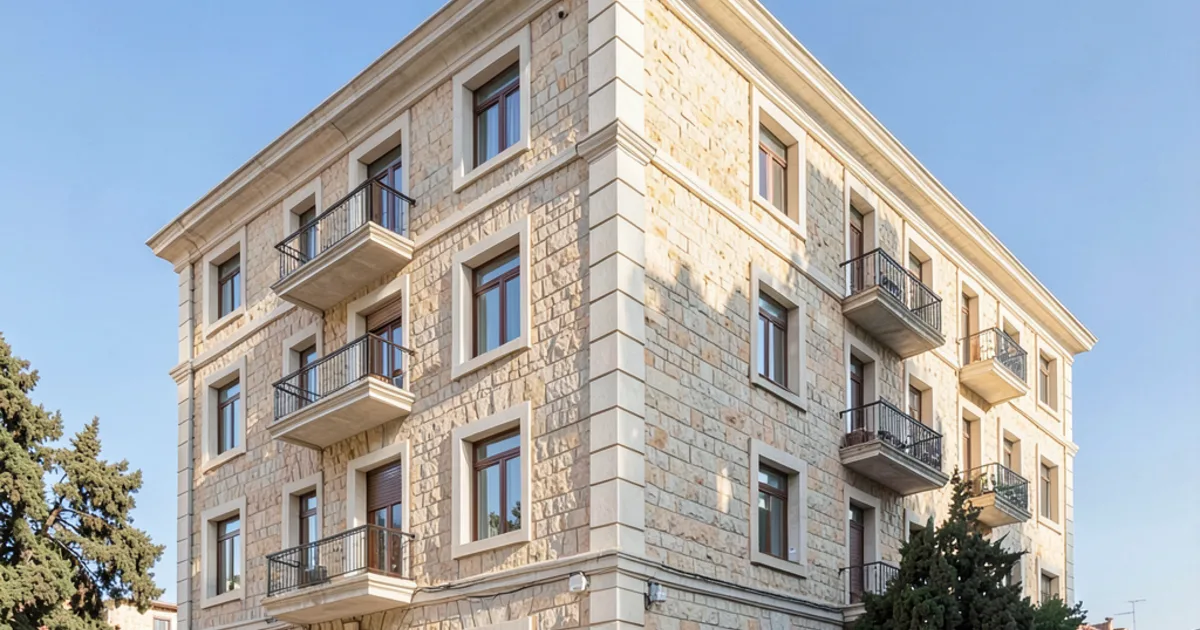
Welcome to Ramat Beit Shemesh Alef, often affectionately known as the 'Anglo heartland' of Israel! For families considering a move to this dynamic and growing community, particularly those prioritizing English-speaking environments for their children's education and their own social integration, the landscape can seem both exciting and daunting. This in-depth guide, crafted by RBSRealEstate, aims to demystify the process, providing a robust overview of the educational options and community support systems available to help your family thrive in your new Israeli home.
- Understanding the Educational Landscape in Ramat Beit Shemesh for Anglo Families
- Top English-Speaking Elementary Schools in RBS Alef and Surrounding Areas
- Secondary Education Options for English-Speaking Teens in RBS
- Beyond the Classroom: Informal Education and Youth Programs
- Community Resources and Support Networks for Anglo Families
- Navigating the Ulpan System: Hebrew Language Acquisition for All Ages
- Real Estate Considerations: Finding Your Family Home in RBS Alef
- Healthcare and Practicalities: Essential Services for New Arrivals
- Integrating into the Broader Israeli Society
- The Unique Vibe of RBS Alef and its Appeal to Anglo Families
- Choosing the Right Neighborhood within Ramat Beit Shemesh
Understanding the Educational Landscape in Ramat Beit Shemesh for Anglo Families
Ramat Beit Shemesh, or RBS as it's commonly known, is a mosaic of different neighborhoods, each with its own character and, importantly, its own array of educational institutions. For Anglo families, the primary concern often revolves around finding schools where their children can learn and flourish in an English-speaking environment, especially during the initial years of aliyah. While the Israeli public school system (mamlakhti and mamlakhti dati) operates primarily in Hebrew, RBS has developed a unique ecosystem of private and semi-private schools that cater specifically to the linguistic and cultural needs of immigrant families.
It's crucial to differentiate between schools that offer English as a primary language of instruction and those that merely have strong English language programs. Many schools, particularly those with a significant Anglo student body, will have teachers who are fluent in English and can provide support, even if the core curriculum is delivered in Hebrew. However, for a truly immersive English educational experience, families often look towards specific institutions that have been established with this demographic in mind.
The educational journey for your children will be a cornerstone of their integration. Understanding the nuances of the various school types, from religious affiliations to pedagogical approaches, is paramount. We'll delve into specific examples, but remember that visiting schools and speaking with current parents is invaluable in making the right choice for your unique family.
Consider also the long-term educational trajectory. While a fully English-speaking environment might be ideal for younger children arriving with limited Hebrew, many families eventually transition their children into schools with more Hebrew immersion as their language skills develop. This phased approach can be highly effective in fostering both academic success and cultural integration.
Top English-Speaking Elementary Schools in RBS Alef and Surrounding Areas
RBS Alef itself, being one of the more established Anglo-heavy neighborhoods, hosts a number of reputable elementary schools that are highly sought after by English-speaking families. These institutions often boast a curriculum delivered predominantly in English, alongside strong Hebrew language acquisition programs. They understand the unique challenges and opportunities presented by children making aliyah.
A prominent example is the Noam and Tzviya school network, which has branches throughout Israel, including RBS. While their primary language of instruction is Hebrew, their RBS branches, particularly in Anglo-heavy areas, are known for their significant Anglo student populations and teachers who are adept at supporting English speakers. They often provide extra Hebrew language support (ulpanit) within the school day, which is a critical resource for new olim.
Beyond the mainstream religious Zionist options, there are also schools catering to other denominations or with different pedagogical approaches. Researching institutions like Yeshivat Har Etzion's elementary school or specific Chardal/Dati Leumi schools with known Anglo contingents is also advisable. These schools often have a strong reputation for academic excellence and a supportive environment for English speakers, though the level of English instruction can vary.
When evaluating these schools, look for information regarding their aliyah support programs, teacher-to-student ratios, and extracurricular activities. Many schools in RBS understand that integrating new students involves more than just academics; it requires a holistic approach to cultural and social acclimatization.
Secondary Education Options for English-Speaking Teens in RBS
As children grow, the educational landscape for English-speaking teens in RBS evolves. While some families choose to continue with schools that maintain a strong Anglo presence, others find their teenagers ready for a more integrated Hebrew experience. The options for secondary education are diverse, ranging from yeshivot and ulpanot with dedicated Anglo tracks to mainstream Israeli high schools.
For boys, prominent yeshiva high schools (Yeshiva Tichonit) in and around RBS, such as those in Beit Shemesh or Efrat, often have significant Anglo populations and programs designed to help new olim transition. These programs frequently include intensive Hebrew language instruction and culturally sensitive support staff. Similarly, for girls, ulpanot (religious high schools for girls) often feature dedicated tracks or support systems for English speakers.
Families seeking a more secular or less religiously intensive environment might explore the 'mamlakhti' (state) high schools in Beit Shemesh. While these are predominantly Hebrew-speaking, some have robust 'English as a Foreign Language' programs and, due to the city's Anglo population, a higher likelihood of having staff familiar with the needs of English-speaking students. However, direct instruction in English would be rare in these settings.
Consider also the matriculation (Bagrut) requirements. Most Israeli high schools prepare students for the Bagrut exams, which are primarily in Hebrew, with English as a foreign language component. Schools with strong Anglo programs will often have strategies in place to help students achieve success in these exams while building their Hebrew fluency.
Beyond the Classroom: Informal Education and Youth Programs
Education in Israel extends far beyond the four walls of a classroom. For English-speaking families, informal education and youth programs are vital for social integration and developing a sense of belonging. Ramat Beit Shemesh boasts a vibrant array of youth movements (Tnuot Noar), community centers (Matnasim), and private clubs that cater to various interests and age groups.
Youth movements like Bnei Akiva, Ezra, and Ariel are extremely popular and provide an excellent avenue for children and teens to build friendships, engage in outdoor activities, and learn about Zionism and Jewish values in a fun, informal setting. Many branches in RBS have a significant Anglo presence, making it easier for new olim to join and feel comfortable, even if the primary language of activities is Hebrew.
Community centers (Matnasim) throughout Beit Shemesh offer a plethora of after-school activities, including sports (soccer, basketball, swimming), arts and crafts, music lessons, and drama clubs. These are wonderful opportunities for children to pursue hobbies and interact with both Anglo and Israeli peers. In RBS Alef, the local Matnas often has specific programs or instructors who are comfortable communicating in English.
Additionally, there are numerous private clubs and organizations offering everything from robotics and coding to chess and martial arts. Many of these are run by Anglo olim themselves, ensuring an English-speaking environment. These informal settings can be less intimidating than school for children still grappling with Hebrew and provide a vital social outlet.
Community Resources and Support Networks for Anglo Families
One of the greatest assets of Ramat Beit Shemesh for English-speaking families is its incredibly strong and supportive Anglo community. This network is invaluable for navigating the complexities of aliyah, from finding reliable service providers to simply having someone to share experiences with. Numerous organizations and informal groups exist to assist new arrivals.
Nefesh B'Nefesh, while assisting aliyah nationwide, has a strong presence and network in communities like RBS. They can provide initial guidance on everything from healthcare registration to navigating government bureaucracy. Locally, many synagogues and community centers serve as hubs for Anglo social life, hosting events, classes, and support groups specifically for English speakers.
Online forums and WhatsApp groups are particularly powerful tools. There are countless groups dedicated to RBS Anglo families, covering topics from school recommendations and childcare to finding handyman services and sharing local news. These platforms offer immediate access to collective wisdom and a sense of community that can be incredibly reassuring during a relocation.
Don't underestimate the power of informal connections. Shabbat invitations, playdates at local parks, and casual conversations at the makolet (grocery store) often lead to deep and lasting friendships. The Anglo community in RBS is known for its welcoming nature and willingness to help new families settle in. Simply reaching out can open doors to invaluable support.
Navigating the Ulpan System: Hebrew Language Acquisition for All Ages
While English-speaking environments are crucial for comfort and initial integration, acquiring Hebrew is fundamental to fully thriving in Israel. The ulpan system, government-subsidized intensive Hebrew language courses, is a cornerstone of aliyah. There are various ulpan options available in and around Beit Shemesh, catering to different proficiency levels and schedules.
For adults, there are morning, evening, and sometimes even specialized ulpanim. The most common are the 'Alef' and 'Bet' levels, providing foundational and intermediate Hebrew. It's highly recommended for at least one parent, if not both, to attend an ulpan soon after arrival. This not only helps with daily interactions but also sets an example for children and aids in understanding the local culture.
Children's ulpanit (smaller, in-school ulpan) programs are often provided within schools for new olim. These intensive Hebrew sessions help children quickly gain the language skills needed to participate fully in their classes. Some schools offer this in-house, while others might direct families to external programs. Inquire about these provisions when selecting a school.
Beyond formal ulpan, immersion is key. Encourage children to interact with Hebrew-speaking peers, watch Israeli television, and listen to Israeli music. For adults, practice speaking Hebrew at every opportunity, even if initially hesitant. The community is generally very patient and encouraging of those learning the language.
Real Estate Considerations: Finding Your Family Home in RBS Alef
As an expert from RBSRealEstate, we understand that finding the right home is intrinsically linked to your family's educational and community needs. RBS Alef is characterized by a mix of housing types, from apartments to semi-detached homes and some standalone villas, often with small gardens. Proximity to schools, synagogues, parks, and bus routes is a significant factor for many Anglo families.
When searching for properties, consider not just the size and number of bedrooms, but also the layout and potential for an additional study or playroom. Many Anglo families prioritize homes that can accommodate guests or host community events. The 'Anglo heartland' feel of RBS Alef means you'll likely be surrounded by families with similar backgrounds and values.
Understanding the local real estate process is crucial. Terms like 'Tabu' (land registry), 'Mas Rekhisha' (purchase tax), and 'Mas Shevah' (capital gains tax) are part of the landscape. Engaging with a reputable, English-speaking real estate agent who understands the nuances of the Israeli market, especially in RBS, is highly advisable. They can guide you through the complexities, from signing a binding memorandum to securing a 'Mashkanta' (mortgage).
Property values in RBS Alef, like much of Israel, can fluctuate. It's wise to work with an agent who can provide realistic expectations regarding pricing and availability. They can also connect you with other Anglo professionals, such as lawyers and mortgage brokers, who are familiar with the specific needs of immigrant families.
Healthcare and Practicalities: Essential Services for New Arrivals
Relocating to a new country means navigating a new healthcare system and understanding everyday practicalities. Israel has an excellent national healthcare system, and registering with one of the four Kupot Cholim (health funds), Clalit, Maccabi, Meuhedet, or Leumit, is one of the first steps upon arrival. Each offers a range of services, and many branches in RBS have English-speaking staff or doctors.
When choosing a Kupat Cholim, consider which one has clinics and specialists conveniently located near your potential home in RBS Alef. Inquire about their supplementary insurance plans ('Shaban'), which offer additional benefits like private specialist consultations or reduced costs for certain treatments. Many Anglo families find peace of mind in these expanded services.
Beyond healthcare, daily life involves understanding local billing for utilities ('Arnona', municipal tax, electricity, water), setting up internet and phone services, and registering children for school. The municipality of Beit Shemesh often has a department dedicated to new olim, which can provide guidance and support in these areas. Many Anglo volunteers also dedicate their time to assisting new families with these initial hurdles.
Familiarize yourself with public transportation options, particularly bus routes, as these are often used by students and families. Knowing where the local post office, banks, and grocery stores are located will also significantly ease your transition. The more prepared you are for these practicalities, the smoother your integration will be.
Integrating into the Broader Israeli Society
While the Anglo community in RBS Alef provides a comfortable and familiar environment, true integration involves engaging with the broader Israeli society. This means not just learning Hebrew, but also understanding local customs, holidays, and social norms. RBS, being a diverse city, offers many opportunities for this cross-cultural interaction.
Participate in local Israeli events, even if you don't understand every word. Attend municipal celebrations, visit local markets, and engage with your Israeli neighbors. These interactions, however small, contribute significantly to feeling at home and building connections beyond the Anglo bubble. Children often integrate faster through school and youth movements, bringing home new cultural insights.
Embrace the 'Israeli way', from the sometimes-direct communication style to the spontaneous nature of social interactions. It can be a cultural adjustment, but one that ultimately enriches the aliyah experience. Many Anglo olim find that while they maintain their Anglo identity, they also develop a deep appreciation for the unique rhythm and warmth of Israeli life.
Remember that integration is a two-way street. While you are adapting to Israel, the Israeli society is also adapting to its new olim. Be patient with yourself and with the process. The journey of aliyah is a marathon, not a sprint, and every step towards integration, big or small, is a significant achievement.
The Unique Vibe of RBS Alef and its Appeal to Anglo Families
RBS Alef holds a special allure for Anglo families, cultivating a unique atmosphere that blends a suburban feel with a vibrant, community-oriented lifestyle. Its reputation as the 'Anglo heartland' is well-earned, stemming from decades of immigration that have shaped its demographic and social fabric. This means that a significant portion of your neighbors will share a similar cultural background, making initial connections and understanding far more straightforward.
The infrastructure in RBS Alef often caters to Anglo preferences, from grocery stores stocking familiar products to local businesses run by English speakers. This comfort factor is not to be underestimated, especially during the initial, often overwhelming, stages of aliyah. It provides a soft landing, allowing families to adapt to the broader Israeli context at their own pace.
Furthermore, RBS Alef benefits from a strong communal spirit. There's a palpable sense of mutual support and shared experience among residents. This manifests in numerous community initiatives, volunteer opportunities, and informal networks that ensure no family feels isolated. The synergy between educational institutions and community resources creates a holistic environment for family growth.
Ultimately, RBS Alef offers a unique balance: the familiarity and support of a well-established Anglo community, coupled with the authentic experience of living in Israel. It's a place where children can receive an excellent education, parents can build fulfilling lives, and families can flourish in a supportive and values-driven environment.
Choosing the Right Neighborhood within Ramat Beit Shemesh
While this guide focuses on RBS Alef, it's important to recognize that Ramat Beit Shemesh is a growing city with several distinct neighborhoods, each with its own characteristics. Understanding the differences between RBS Alef, RBS Bet, RBS Gimmel, and Old Beit Shemesh can help families make a more informed decision about where to settle, depending on their specific priorities.
RBS Alef is the most established Anglo neighborhood, known for its mature trees, larger plots, and a higher concentration of English-speaking families, particularly those from North America and the UK. It offers a very strong sense of community and a wide array of shuls and schools catering to this demographic. Property here can be highly sought after.
RBS Bet, while also having a significant Anglo presence, is newer and generally features more modern construction, often with smaller apartments and a slightly higher density. It attracts a mix of Anglo and Israeli families and is known for its newer parks and commercial centers. RBS Gimmel, even newer, is still developing and offers opportunities for more affordable new construction, though its Anglo community is still growing.
Old Beit Shemesh, the original city, offers a more diverse, mixed Israeli population and generally more affordable housing options. While it has fewer dedicated Anglo institutions, it provides a more immersive Israeli experience. When considering your move, think about the balance between an established Anglo community and other factors like budget, property age, and proximity to specific amenities.
FAQ
Are there any secular English-speaking schools in RBS?
RBS is predominantly a religious city, and most English-speaking schools have a religious curriculum. Secular English-speaking options are very limited within RBS itself, requiring families to consider options in Jerusalem or other cities.
How do I find an English-speaking doctor in Ramat Beit Shemesh?
Upon registering with a Kupat Cholim (health fund), you can request a list of doctors in your area who speak English. Many Anglo community groups and online forums also frequently share recommendations for English-speaking medical professionals.
What is the average class size in English-speaking schools in RBS?
Class sizes can vary significantly between schools and grade levels. It's best to inquire directly with each school you are considering, as private or semi-private schools may offer smaller class sizes than some public options.
Is it difficult to get a spot in the popular Anglo schools in RBS Alef?
Demand for popular English-speaking schools in RBS Alef can be high, especially for certain grades. It is advisable to apply well in advance and to have alternative options in mind. Early registration is often key.
Get your personalised shortlist
Listings and up-to-date info, straight to your inbox, free, no obligation.
See RBS homes →