Checklist for renting out your property in Ramat Beit Shemesh to English-speaking tenants.
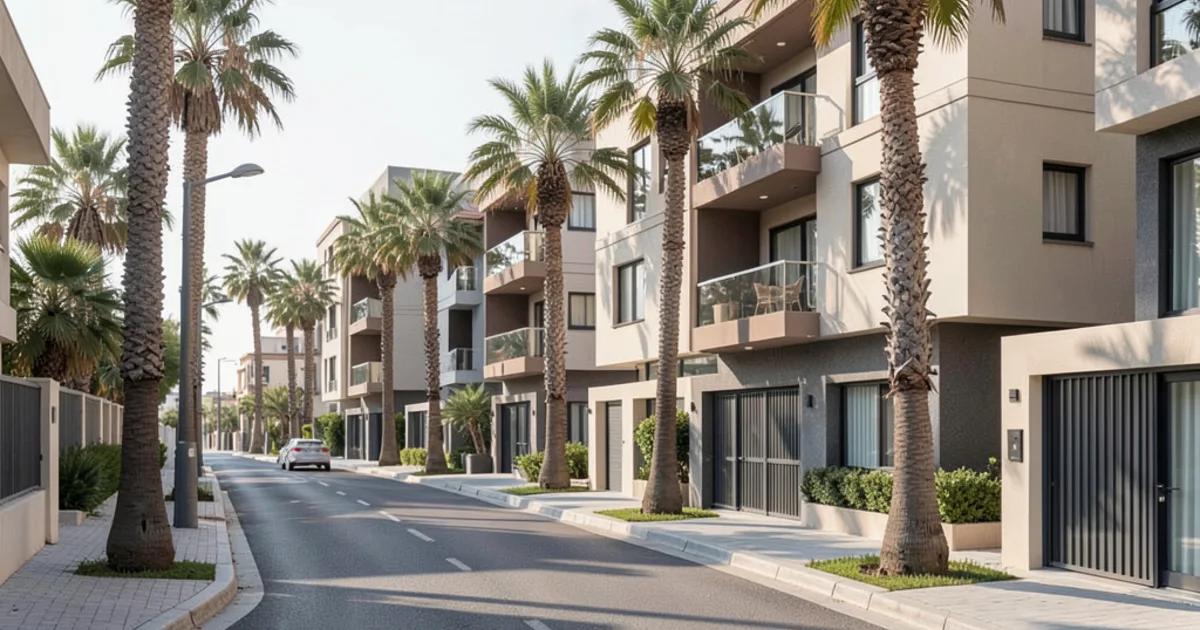
Ramat Beit Shemesh, often affectionately dubbed 'the Anglo heartland' of Israel, presents a unique and thriving rental market, particularly for properties catering to English-speaking tenants. As a landlord in this vibrant community, understanding the specific needs, expectations, and legal frameworks relevant to this demographic is paramount for a successful and harmonious tenancy. This comprehensive checklist, brought to you by RBSRealEstate, is designed to equip you with the knowledge and actionable steps necessary to navigate the rental process with confidence and competence, ensuring you attract and retain ideal tenants while safeguarding your investment.
- Understanding the Ramat Beit Shemesh English-Speaking Tenant Demographic
- Ensuring Legal Compliance: The Israeli Rental Contract
- Financial Safeguards: Guarantees and Security Deposits
- Marketing Your Property: Reaching the English-Speaking Audience
- Preparing Your Property: Anglo-Centric Appeal
- The Screening Process: Due Diligence and Communication
- Managing Utilities and Municipal Taxes (Arnona, Va'ad Bayit)
- Ongoing Communication and Property Maintenance
- Navigating Cultural Nuances and Expectations
- Lease Renewal and End-of-Tenancy Procedures
- Professional Assistance: When to Engage Experts
Understanding the Ramat Beit Shemesh English-Speaking Tenant Demographic
The English-speaking community in Ramat Beit Shemesh is diverse, encompassing a wide range of families, young couples, and individuals, primarily from North America, the UK, and South Africa. They often seek properties that offer proximity to specific schools, synagogues, and community centers, valuing amenities such as central air conditioning, well-maintained kitchens, and sufficient storage space. Their expectations regarding property condition and responsiveness from landlords tend to be high, often drawing from experiences in their countries of origin.
Crucially, many English-speaking tenants are new olim or those who have lived in Israel for a relatively short period, and may still be navigating the intricacies of Israeli bureaucracy and local customs. This often translates into a preference for clear communication, detailed explanations, and a landlord who is patient and understanding of cultural differences. Providing an English-language lease agreement and being prepared to answer questions about local services or utilities can significantly enhance their rental experience.
Different areas within Ramat Beit Shemesh, such as RBS Alef, Bet, Gimmel, and Old Beit Shemesh, attract slightly different segments of this demographic. RBS Alef, for instance, is often sought after for its established infrastructure and larger family homes, while RBS Gimmel might appeal to newer families or those seeking more modern construction. Understanding these subtle distinctions can help you tailor your property’s presentation and marketing efforts to the most suitable tenant pool.
Furthermore, many English-speaking tenants are accustomed to certain standards of property maintenance and legal clarity. They will appreciate a landlord who is proactive in addressing issues and transparent about their responsibilities. This proactive approach not only fosters goodwill but also minimizes potential misunderstandings down the line, leading to a smoother and more stable tenancy.
Ensuring Legal Compliance: The Israeli Rental Contract
The bedrock of any successful landlord-tenant relationship in Israel is a legally sound rental contract (חוזה שכירות - Chozeh Schirut). While a standard template often exists, it is highly advisable to have a lawyer specializing in real estate review or draft your agreement, especially when dealing with international tenants. This ensures all clauses are compliant with Israeli law and adequately protect your interests as the property owner.
Key elements to meticulously define in the contract include the exact rental period, the monthly rent amount, payment schedule, and the currency of payment. Clear stipulations regarding rent increases, if any, and the notice period required for termination by either party are also essential. Furthermore, the contract must explicitly detail who is responsible for various household repairs and maintenance, preventing future disputes.
Beyond the basic terms, the Israeli rental contract must address specifics like arnona (municipal tax), va'ad bayit (building maintenance fees), and utility bills (electricity, water, gas). It should clearly state whether these are included in the rent or are the tenant's responsibility. For English-speaking tenants, providing a professional English translation of the contract, or at least a comprehensive summary, is not only a courtesy but a crucial step towards ensuring full understanding and avoiding misinterpretations.
Consider also including clauses for potential scenarios like subletting (usually disallowed without explicit landlord consent), property insurance requirements, and the procedures for returning the property at the end of the lease. A well-drafted contract acts as a robust framework, minimizing ambiguity and providing a clear reference point for both parties throughout the tenancy.
Financial Safeguards: Guarantees and Security Deposits
Protecting your investment financially is paramount. In Israel, landlords typically require several forms of financial guarantees from tenants. The most common include a security deposit (פיקדון - pikadon), which can be a significant sum, and bank guarantees (ערבות בנקאית - arvut bankait) or guarantor checks (שיקים בטחון - chekim bitachon). These are designed to cover potential damages beyond normal wear and tear, unpaid rent, or outstanding utility bills upon the tenant's departure.
The security deposit, often equivalent to one to three months' rent, is held by the landlord or a third party and returned to the tenant after they vacate, assuming all conditions of the lease have been met. It is crucial to document the property's condition thoroughly at the start of the tenancy to avoid disputes over damages when the deposit is due for return. This often involves a detailed inventory and photographic evidence.
Bank guarantees are particularly strong as they are issued by a bank and ensure payment up to a specified amount if the tenant defaults. Guarantor checks, on the other hand, are post-dated checks signed by a third-party guarantor, usually a close family member or friend, who agrees to cover the tenant's obligations if they fail to do so. For English-speaking tenants, especially new olim, securing an Israeli guarantor can sometimes be challenging, and you may need to be flexible or suggest alternative solutions.
When dealing with international tenants, it's also prudent to discuss how these guarantees will be handled upon their departure from Israel, particularly if they are returning to their home country. Clear communication regarding the timeline for returning deposits and any conditions for their release will prevent misunderstandings and ensure a smooth exit process. Always ensure these financial safeguards are explicitly detailed in the rental agreement.
Marketing Your Property: Reaching the English-Speaking Audience
Effective marketing is key to attracting the right English-speaking tenants. Simply listing your property on Hebrew-language sites may not yield the best results. Focus on platforms and channels specifically frequented by the Anglo community in Israel. This includes dedicated Facebook groups for Ramat Beit Shemesh residents, local English-language community forums, and reputable real estate agencies specializing in serving this demographic, such as RBSRealEstate.
Your property listing should be meticulously crafted in clear, concise English, highlighting features that are particularly appealing to this target audience. Think about what they prioritize: proximity to Anglo-friendly schools, easy access to shuls with English-speaking rabbis, public transportation links, and amenities like central air conditioning, modern appliances, and a mamad (safe room), which is often a significant consideration.
High-quality photographs are non-negotiable. Professional photos that showcase your property’s best attributes, including well-lit rooms, a clean kitchen, and any outdoor spaces, can make a substantial difference. Consider including a virtual tour if possible, as many potential tenants may be viewing properties from abroad before making aliyah or relocating within Israel.
When describing the neighborhood, use terms and references that resonate with English speakers. Mentioning specific parks, shopping centers, or community events in English can help prospective tenants envision themselves living there. Be transparent about any unique aspects of the property or neighborhood, fostering trust and setting realistic expectations from the outset.
Preparing Your Property: Anglo-Centric Appeal
Before listing your property, consider preparing it with the English-speaking tenant in mind. This often means ensuring the property is not just clean, but in excellent repair, with all systems fully functional. Issues that might be overlooked by some tenants, such as dripping faucets, non-working light fixtures, or a finicky air conditioner, can be significant deterrents for this demographic.
Focus on key areas: the kitchen and bathrooms. These are often deal-breakers. Ensure kitchen appliances (refrigerator, oven, stovetop) are modern and in perfect working order. Cleanliness in bathrooms is paramount, and good water pressure is a definite plus. A fresh coat of neutral paint can also make a property feel more inviting and updated.
Consider providing a basic information packet in English upon move-in. This could include instructions for operating appliances, details on how to pay arnona and utility bills, local emergency numbers, and recommendations for English-speaking doctors or service providers. This small gesture can go a long way in making new tenants feel settled and supported.
Finally, ensure the property has adequate internet infrastructure. Reliable, high-speed internet is often a top priority for English-speaking families, many of whom rely on it for work, school, and staying connected with family abroad. Confirming the availability of fiber optic or similar high-speed options can be a strong selling point.
The Screening Process: Due Diligence and Communication
A thorough tenant screening process is vital to finding reliable and responsible tenants. For English-speaking tenants, this process might involve a few additional considerations. While credit checks in Israel operate differently than in some Western countries, you can still request proof of stable income, employment verification, and references from previous landlords, if applicable.
Be prepared to conduct interviews, either in person or via video call, especially for those relocating from abroad. This provides an opportunity to assess their communication style, ask about their reasons for moving to Ramat Beit Shemesh, and clarify any questions they may have about the property or the lease terms. Listen for consistency and a genuine interest in the community.
When checking references, be mindful of potential language barriers if the previous landlord is not English-speaking. If possible, ask for references that can communicate effectively with you. It's also important to verify income, often through bank statements or employment letters, ensuring they can comfortably afford the rent without undue financial strain.
Transparency is key during screening. Clearly communicate your expectations regarding rent payments, property maintenance, and any specific rules of the building or neighborhood. Addressing potential concerns early on can prevent misunderstandings and foster a more positive landlord-tenant relationship from the start.
Managing Utilities and Municipal Taxes (Arnona, Va'ad Bayit)
One of the areas where English-speaking tenants, particularly new olim, often require the most guidance is navigating Israeli utility and municipal bills. As a landlord, you should clearly outline the tenant's responsibilities for arnona (municipal tax), va'ad bayit (building maintenance fees), electricity, water, and gas. The rental contract should specify whether these are directly paid by the tenant or if they are reimbursed to you.
For arnona, it is generally the tenant's responsibility to transfer the account into their name. You can assist by providing the necessary forms and contact information for the Beit Shemesh Municipality. Explain the payment schedule (typically bi-monthly) and the various payment methods available. Similarly, for electricity and water, tenants usually transfer the accounts to their name, and you can provide meter readings at the start of the tenancy.
Va'ad Bayit fees are usually paid directly to the building committee. Ensure your tenants understand what these fees cover (e.g., cleaning of common areas, garden maintenance, elevator upkeep) and how they are paid. Providing a contact person for the va'ad bayit can also be helpful. Clear, written instructions in English for setting up and managing these accounts will be highly appreciated.
Consider offering a brief, practical orientation to your tenants on how to manage these payments. This proactive approach not only helps them settle in but also ensures that bills are paid on time, preventing potential issues for you as the property owner. Emphasize the importance of timely payments to avoid penalties or service disconnections.
Ongoing Communication and Property Maintenance
Maintaining open and effective communication is crucial for a smooth tenancy. English-speaking tenants often appreciate a landlord who is accessible and responsive to their queries and concerns. Establish clear channels for communication from the outset, whether it’s via WhatsApp, email, or phone calls, and aim to respond within a reasonable timeframe.
Regarding property maintenance, clearly define the scope of your responsibilities as the landlord versus the tenant's responsibilities. Typically, structural repairs, major appliance malfunctions (unless caused by tenant misuse), and issues with plumbing or electrical systems fall to the landlord. Minor repairs, such as changing light bulbs or basic garden upkeep, are usually the tenant's responsibility.
It is highly recommended to have a roster of reliable, English-speaking handymen, plumbers, electricians, and air conditioning technicians. When issues arise, being able to quickly dispatch a professional who can communicate effectively with your tenants will greatly reduce stress for all parties and ensure problems are resolved efficiently. This preparedness demonstrates your commitment to their comfort.
Regular, non-intrusive check-ins can also be beneficial, perhaps every six months, to ensure the property is being well-maintained and to address any minor issues before they escalate. Always provide ample notice before visiting the property, respecting the tenant's privacy and rights as outlined in the rental agreement.
Navigating Cultural Nuances and Expectations
Renting to English-speaking tenants in Ramat Beit Shemesh often involves navigating subtle cultural differences in expectations and communication. Tenants from North America or the UK, for example, may be accustomed to a higher level of customer service and responsiveness from landlords than is sometimes typical in Israel. Being aware of this can help you manage expectations and build a positive relationship.
Be prepared to explain Israeli customs or legal requirements that might differ from their home countries. For instance, the concept of a mamad (safe room) might be new to some, or the specific process for registering with the municipality. Patience and clear, simple explanations will be greatly appreciated and contribute to a smoother transition for your tenants.
Understanding the local community's rhythm, particularly the observance of Shabbat and Jewish holidays, is also important. Tenants will appreciate a landlord who understands that certain communication or maintenance requests might need to wait until after Shabbat or a Chag. Similarly, respecting their religious practices, such as ensuring a functioning hot plate for Shabbat, can foster goodwill.
Ultimately, a landlord who demonstrates empathy, flexibility where appropriate, and a genuine desire to facilitate a positive living experience for their English-speaking tenants will find greater success. Building trust through clear communication and respectful engagement can transform a transactional relationship into a mutually beneficial one.
Lease Renewal and End-of-Tenancy Procedures
As the end of the lease term approaches, initiate discussions about renewal well in advance, typically three to four months prior. This allows both parties ample time to decide and make alternative arrangements if the lease is not renewed. If you plan to increase the rent, ensure this is communicated clearly and within the legal parameters stipulated in your contract and Israeli rental laws.
If the tenant decides not to renew, or if you opt not to extend the lease, clearly outline the end-of-tenancy procedures. This includes detailing the required condition for returning the property, the process for final utility readings, and the timeline for the return of the security deposit. A detailed move-out checklist can be very helpful for tenants.
Conduct a thorough move-out inspection with the tenant present, if possible. Compare the property's condition to the initial inventory and photographs taken at the beginning of the tenancy. Document any damages beyond normal wear and tear and discuss how these will be addressed, potentially deducting costs from the security deposit, in accordance with the lease agreement.
Finally, ensure all financial obligations are settled, including the return of the security deposit within the legally mandated timeframe, after accounting for any legitimate deductions. A smooth and professional exit process leaves a positive impression and can even lead to positive referrals for future tenants, reinforcing your reputation as a fair and reliable landlord in Ramat Beit Shemesh.
Professional Assistance: When to Engage Experts
While this checklist provides a comprehensive guide, there will be instances where engaging professional assistance is not just beneficial but essential. A qualified Israeli real estate lawyer is indispensable for drafting or reviewing your rental contract, ensuring it complies with local laws and adequately protects your interests. Their expertise can prevent costly legal disputes down the line.
For landlords who live abroad or simply prefer a hands-off approach, a reputable property management company specializing in the Ramat Beit Shemesh Anglo market can be an invaluable asset. They can handle everything from tenant screening and rent collection to maintenance requests and emergency repairs, providing peace of mind and ensuring your property is well-cared for.
Real estate agents, particularly those with a strong presence in Ramat Beit Shemesh and a focus on the English-speaking community, can significantly streamline the process of finding suitable tenants. They have access to a wider network of potential renters and can assist with marketing, showings, and initial negotiations, saving you time and effort.
Ultimately, knowing when to delegate to experts allows you to leverage specialized knowledge and resources, ensuring a more efficient, legally compliant, and ultimately more profitable rental experience. RBSRealEstate is here to guide you through these decisions and connect you with the right professionals.
FAQ
What is the typical duration of a rental contract in Ramat Beit Shemesh for English-speaking tenants?
Most rental contracts in Ramat Beit Shemesh are for a period of one year, with an option to extend for another year. Shorter or longer terms can be negotiated, but annual leases are the most common standard for stability.
Are landlords in Israel required to provide a 'mamad' (safe room) in their rental properties?
While not every older property has a mamad, new construction in Israel is legally required to include one. Many English-speaking tenants prioritize properties with a mamad for safety, so it can be a significant selling point if your property has one.
How do I handle rent payments from tenants who don't have an Israeli bank account yet?
This can be a challenge for new olim. Options include accepting international bank transfers (though fees can be high), arranging for a temporary payment method until an Israeli account is opened, or working with a property manager who can facilitate this process.
What are the landlord's responsibilities for repairs in an Israeli rental property?
Generally, landlords are responsible for structural repairs, major appliance issues not caused by tenant misuse, and problems with the property's core systems (plumbing, electrical). Tenants are typically responsible for minor repairs and routine maintenance.
Is it common to include furniture in a rental property in Ramat Beit Shemesh?
While some properties are rented furnished, it is more common to rent properties unfurnished in Ramat Beit Shemesh. If you do offer furniture, ensure it is in good condition and clearly itemized in the rental contract.
Get your personalised shortlist
Listings and up-to-date info, straight to your inbox, free, no obligation.
See RBS homes →