Can a retired American couple with Aliyah status get a specialized mortgage for a property in Ramat Beit Shemesh?
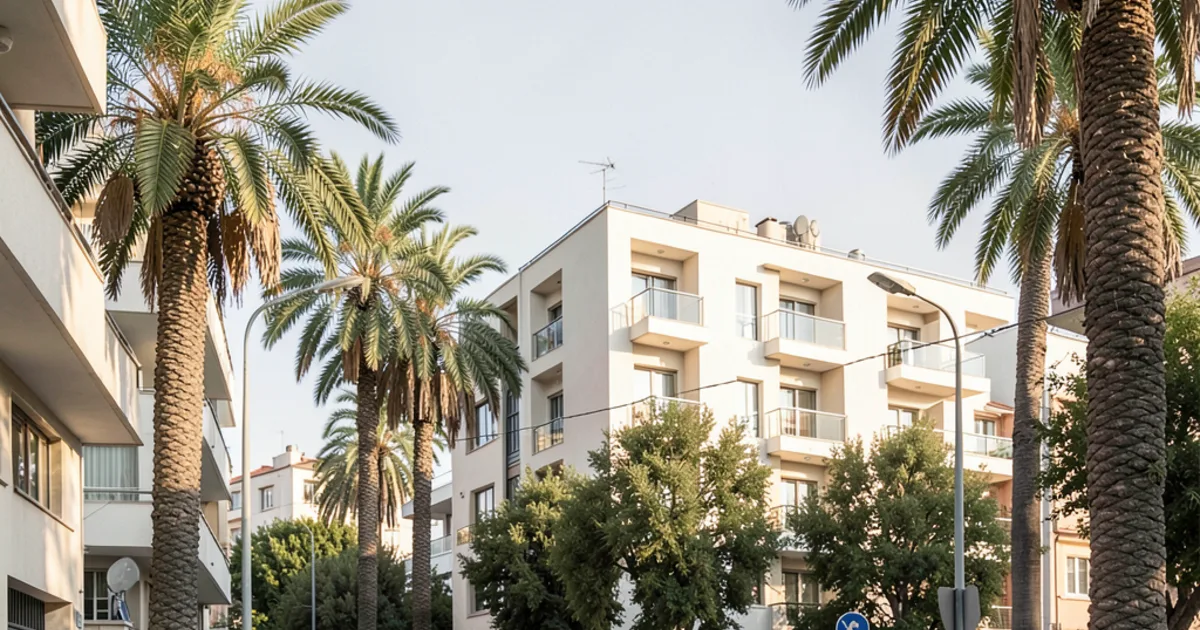
The dream of making Aliyah and settling into a vibrant community like Ramat Beit Shemesh is a powerful one for many retired American couples. However, navigating the Israeli real estate market, especially when it comes to financing a home purchase as a new oleh (immigrant) with a fixed income, can seem daunting. This comprehensive guide from RBSRealEstate will delve into the intricacies of obtaining a mortgage in Israel for retired American olim, examining the unique challenges and opportunities that arise.
- Understanding the Israeli Mortgage Landscape for Olim
- Aliyah Status and its Impact on Mortgage Eligibility
- Navigating Income Requirements as a Retired American Oleh
- Age Considerations and Mortgage Term Lengths
- The Importance of a Substantial Down Payment
- Understanding Ramat Beit Shemesh's Real Estate Market
- The Mortgage Application Process: Key Steps and Documents
- Costs Beyond the Mortgage: Mas Rekhisha and Other Fees
- The Role of Mortgage Brokers vs. Direct Bank Applications
- Financial Planning and Long-Term Considerations in Ramat Beit Shemesh
Understanding the Israeli Mortgage Landscape for Olim
The Israeli mortgage market operates differently from what most Americans are accustomed to. While the underlying principles of borrowing against property remain, the application process, documentation requirements, and even the types of mortgage products available can vary significantly. For new olim, particularly those in retirement, these differences are amplified, requiring a thorough understanding of the local financial ecosystem.
Israeli banks assess mortgage applications based on several key factors, including income stability, credit history (though US credit scores are not directly transferable, financial behavior is scrutinized), and the applicant's age. For retired individuals, the source and consistency of retirement income become paramount. Banks are looking for assurances that loan repayments can be comfortably met over the mortgage term, which is often shorter for older borrowers.
Furthermore, the concept of a 'specialized' mortgage for olim, while not a distinct product category in the same way as a VA loan in the US, refers more to the tailored approach banks and mortgage advisors take when dealing with new immigrants. This often involves accommodating foreign documentation, understanding overseas income streams, and navigating the initial period of establishing financial roots in Israel. The goal is to bridge the gap between a familiar financial system and the new Israeli reality.
Aliyah Status and its Impact on Mortgage Eligibility
Your Aliyah status plays a significant role in your mortgage journey in Israel. New olim are often eligible for certain benefits and considerations that are not available to long-term residents or foreign investors. These benefits, while not directly translating into a 'specialized mortgage product,' can indirectly improve your eligibility and the terms you might secure.
The Israeli government, through various ministries, aims to support new immigrants in establishing themselves, and housing is a critical component of this. While direct government-issued mortgages are rare, some programs might offer guarantees or subsidies that can make banks more willing to lend. It's crucial to understand that these benefits are typically time-sensitive, often available only within a few years of making Aliyah, emphasizing the importance of timely planning.
Beyond direct benefits, being an oleh signals to banks a commitment to establishing a life in Israel, which can be viewed positively. However, banks will still conduct a rigorous financial assessment. Your Aliyah certificate (Teudat Oleh) is a key document that will be requested, along with proof of your immigration date, to confirm your eligibility for any oleh-specific considerations.
Navigating Income Requirements as a Retired American Oleh
For retired American olim, demonstrating a stable and sufficient income stream is perhaps the most critical hurdle. Unlike working individuals with regular salaries, retirees typically rely on a combination of pensions, social security, investment income, and sometimes rental income from properties abroad. Banks need to be convinced that these diverse income sources are reliable and will continue for the duration of the mortgage.
Documentation will be extensive. Expect to provide detailed statements from all pension funds, Social Security statements, investment portfolio summaries, and tax returns (both US and Israeli, if applicable). Banks will scrutinize the consistency of these payments and their longevity. Income from fluctuating investments might be treated more conservatively than fixed pension payments.
Furthermore, banks will typically convert your US dollar income into Israeli Shekels for their calculations. Fluctuations in the exchange rate can impact their assessment of your repayment capacity. It's advisable to factor in potential currency swings and demonstrate a comfortable buffer beyond the minimum required income for mortgage approval.
Age Considerations and Mortgage Term Lengths
Age is an unavoidable factor in mortgage lending, particularly for retired individuals. Israeli banks, like those elsewhere, have policies regarding the maximum age at which a mortgage must be fully repaid. This often means that older applicants will be offered shorter mortgage terms, leading to higher monthly payments.
For a couple in their retirement years, a 20 or 25-year mortgage term might be unrealistic or unavailable. Instead, terms of 10 to 15 years are more common, and in some cases, even shorter. This necessitates a careful assessment of monthly budget and cash flow. A shorter term means a larger principal payment each month, which must be comfortably covered by your retirement income.
However, some banks are becoming more flexible, especially for applicants with substantial assets or significant down payments. They may consider a 'bridge' period where the mortgage is paid off from the sale of another asset, or they might factor in life insurance policies that guarantee repayment. Engaging with an experienced mortgage broker is crucial here to explore all available options and present your case effectively.
The Importance of a Substantial Down Payment
For retired American olim, a substantial down payment is not just beneficial; it can often be a prerequisite for securing a mortgage. Israeli banks typically require a minimum down payment of 30-40% for primary residences, and sometimes even more for investment properties or for applicants deemed higher risk, such as those with less established local financial history.
A larger down payment reduces the bank's risk exposure, making them more inclined to approve your application, even with age or income considerations. It also reduces the overall loan amount, which in turn leads to lower monthly payments and potentially better interest rates. For retirees, this can be a critical factor in ensuring affordability and financial comfort.
Funding your down payment often comes from the sale of a property in the US, savings, or investments. Ensuring these funds are readily accessible and can be transferred to Israel in a timely and compliant manner is vital. Be prepared to provide documentation tracing the origin of these funds to satisfy anti-money laundering regulations.
Understanding Ramat Beit Shemesh's Real Estate Market
Ramat Beit Shemesh, often referred to as the 'Anglo heartland,' offers a diverse range of housing options across its different neighborhoods. From the established communities of RBS Alef and RBS Bet, known for their family-friendly atmosphere and convenient amenities, to the newer developments in RBS Gimmel and the charm of Old Beit Shemesh, property types and prices can vary significantly.
Understanding these distinctions is crucial for your property search and mortgage planning. For example, a larger home in RBS Alef might command a different price point and require a larger mortgage than a smaller apartment in Old Beit Shemesh. Similarly, the availability of specific property types, such as detached homes versus apartments, will influence your budget and therefore your borrowing needs.
Property values in Ramat Beit Shemesh have generally shown appreciation, making it an attractive location for long-term settlement. However, it's essential to conduct thorough due diligence, ideally with a local real estate agent from RBSRealEstate, to understand current market trends, property availability, and the specific characteristics of each neighborhood that might impact your home's value and your mortgage requirements.
The Mortgage Application Process: Key Steps and Documents
The mortgage application process in Israel involves several distinct stages and a considerable amount of documentation. It typically begins with an initial consultation with a mortgage advisor or bank representative, where your financial situation is assessed to determine preliminary eligibility and potential loan amounts. This is often followed by a formal application with detailed financial disclosures.
Key documents you'll need include your Teudat Oleh, passport, marriage certificate (if applicable), bank statements (both Israeli and foreign), pension statements, Social Security statements, investment account statements, and tax returns. For retired individuals, proof of ongoing income stability is paramount. You'll also need a binding memorandum (Zichron Devarim) or a signed purchase agreement for the property you intend to buy.
The process also involves a property appraisal (shamaut) to determine the home's value for lending purposes, and a legal review of the property's registration in the Tabu (Israel Land Registry). Patience is key, as the entire process can take several weeks or even months. Working with an experienced mortgage broker can significantly streamline this by ensuring all necessary documents are prepared correctly and submitted efficiently.
Costs Beyond the Mortgage: Mas Rekhisha and Other Fees
When budgeting for your home in Ramat Beit Shemesh, it's crucial to remember that the mortgage principal is only one component of the total cost. Several other significant expenses, often referred to as 'closing costs' in the US, must be factored in. The most substantial of these is Mas Rekhisha (Purchase Tax), which is a progressive tax levied by the government on real estate transactions.
Olim often receive a significant reduction or exemption on Mas Rekhisha for their first property purchase, provided it is within a specific timeframe after Aliyah and meets certain value thresholds. However, it's vital to understand the current regulations and potential tax implications, as these can be complex and change over time. Consulting with an Israeli tax advisor is highly recommended to ascertain your exact liability.
Other costs include legal fees for the conveyancing lawyer (who handles the property transfer and Tabu registration), a real estate agent's commission (typically paid by the buyer in Israel), surveyor fees, and potentially mortgage opening fees charged by the bank. Additionally, you will be responsible for Arnona (municipal property tax) and va'ad bayit (building maintenance fees) once you own the property.
The Role of Mortgage Brokers vs. Direct Bank Applications
Deciding whether to work with a mortgage broker or apply directly to banks is a significant decision for olim. While applying directly might seem more straightforward, a qualified mortgage broker can offer invaluable expertise, particularly for complex cases like retired American olim. Brokers work with multiple banks, understanding their specific lending criteria and appetite for different types of borrowers.
A good broker will not only help you gather and organize the extensive documentation but will also present your financial profile in the most favorable light to various lenders. They can negotiate on your behalf, potentially securing better interest rates or more flexible terms than you might achieve on your own. Given the language barriers and nuanced financial regulations, a broker's guidance can be indispensable.
Furthermore, an experienced broker who specializes in olim can anticipate potential issues, such as how US retirement income is viewed by Israeli banks, and proactively address them. While there is a fee for their services, the potential savings in time, stress, and favorable mortgage terms often outweigh this cost. RBSRealEstate can connect you with reputable, English-speaking mortgage professionals.
Financial Planning and Long-Term Considerations in Ramat Beit Shemesh
Beyond securing the mortgage, a holistic financial plan is essential for retired olim settling in Ramat Beit Shemesh. This involves not only managing your mortgage payments but also budgeting for daily living expenses, healthcare, and leisure activities. The cost of living in Israel, while varying, can be higher than in some parts of the US, especially for imported goods.
Consider how exchange rate fluctuations might impact your US-denominated income when converted to Shekels. It's prudent to maintain a financial buffer to absorb such changes. Additionally, explore options for international money transfers that minimize fees and optimize exchange rates. Many olim also choose to take an Ulpan (Hebrew language course) to integrate more fully, which may involve costs.
Finally, think about your long-term financial security. While a mortgage helps acquire a home, ensure your overall retirement plan is robust enough to sustain you comfortably in Israel. This might involve consulting with a financial planner specializing in cross-border wealth management to ensure your assets are structured efficiently for both US and Israeli tax purposes and future needs.
FAQ
Do Israeli banks recognize US credit scores for mortgage applications?
No, Israeli banks do not directly use US credit scores like FICO. They will instead assess your financial history through bank statements, income documentation, and require local references if available. A strong, consistent financial history in the US is still beneficial.
Are there specific government grants or loans for retired olim to buy property?
While direct government-issued mortgages are rare, olim may be eligible for Mas Rekhisha (Purchase Tax) reductions or exemptions on their first property purchase within a certain period after Aliyah. It's crucial to verify current eligibility criteria and thresholds with a tax advisor.
Can I get a mortgage in Israel if my retirement income is solely from US Social Security and a pension?
Yes, it is possible. Israeli banks will meticulously review your Social Security statements and pension fund documentation to assess the stability and longevity of these income streams. They will also consider the amount of a down payment and your overall financial assets.
What is Tabu and why is it important for my mortgage application in Ramat Beit Shemesh?
Tabu is the Israel Land Registry, the official government body that records property ownership and encumbrances. For your mortgage, the bank will require a clear Tabu registration for the property to ensure you are buying from the legal owner and that the property can be used as collateral for the loan.
Get your personalised shortlist
Listings and up-to-date info, straight to your inbox, free, no obligation.
See RBS homes →