What steps are involved in renting out my apartment in RBS Alef to earn passive income for a long-term investor?
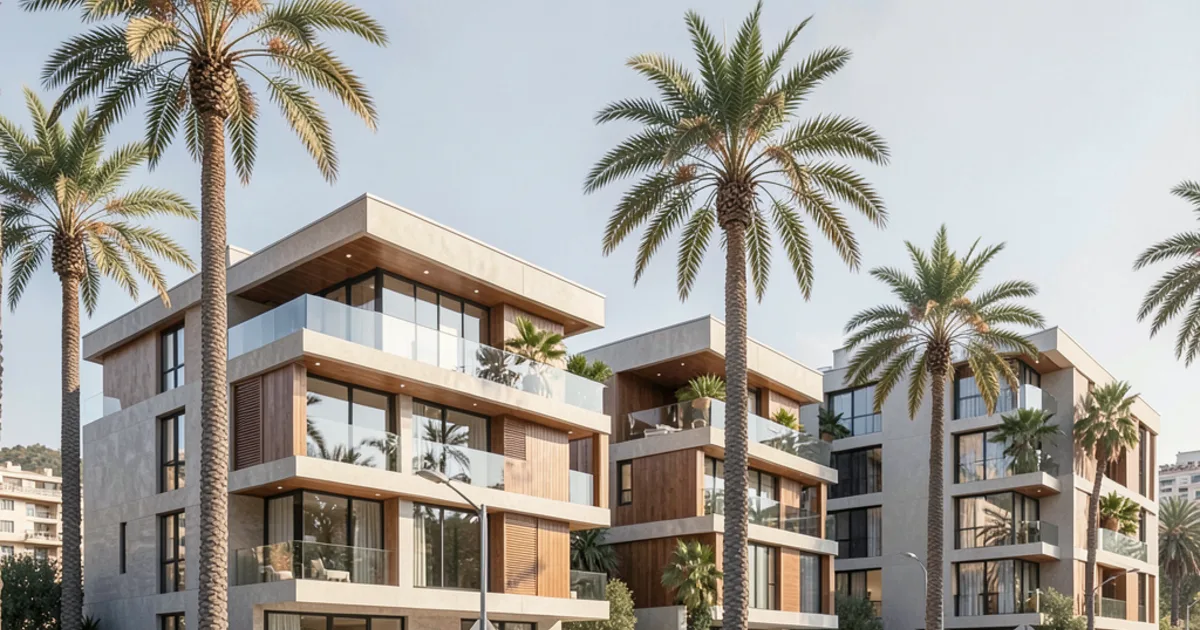
Ramat Beit Shemesh Alef (RBS Alef) holds a unique allure for long-term real estate investors seeking stable passive income. Its established community, desirable amenities, and consistent demand make it a prime location for rental properties. However, navigating the intricate landscape of Israeli real estate, from legalities to tenant management, requires a strategic and informed approach. This comprehensive guide will walk you through every essential step to successfully rent out your apartment in RBS Alef, ensuring a smooth process and maximizing your investment's potential.
- Understanding the RBS Alef Rental Market: What Makes It Unique?
- Initial Legal and Financial Considerations: Laying the Groundwork
- Preparing Your Apartment for the Rental Market: Maximizing Appeal
- Setting the Right Rental Price: Research and Strategy
- Marketing Your Property: Reaching the Right Audience
- Tenant Screening and Selection: Mitigating Risks
- Drafting the Lease Agreement: Clarity and Protection
- Tenant Onboarding and Property Handover: A Smooth Transition
- Ongoing Property Management: Hands-On or Hired Help?
- Addressing Maintenance and Repairs: Timely and Efficient
- Financial Management and Tax Implications: Optimizing Returns
- Lease Renewals and Tenant Turnover: Planning for Continuity
Understanding the RBS Alef Rental Market: What Makes It Unique?
RBS Alef, often referred to as the 'Anglo heartland,' boasts a distinct demographic profile that significantly influences its rental market. The community primarily comprises English-speaking olim (immigrants) and their families, many of whom are seeking a high quality of life, excellent educational institutions, and a strong sense of community. This consistent demand for family-friendly apartments, particularly those with multiple bedrooms and accessible amenities, creates a relatively stable rental environment.
The unique cultural and religious fabric of RBS Alef also plays a crucial role in shaping tenant expectations. Proximity to synagogues, schools, and local services is often a top priority for potential renters. Understanding these nuances allows investors to better position their properties, ensuring they meet the specific needs and preferences of this target demographic. This localized knowledge is invaluable for setting competitive rental rates and attracting the right tenants.
Furthermore, the established infrastructure of RBS Alef, including public transportation, shopping centers, and parks, contributes to its enduring appeal. While newer neighborhoods like RBS Bet and RBS Gimmel continue to develop, RBS Alef retains its charm as a mature and sought-after area. This stability minimizes vacancy risks and supports consistent rental income, making it an attractive proposition for long-term passive income investors.
Initial Legal and Financial Considerations: Laying the Groundwork
Before even thinking about tenants, a thorough understanding of the legal and financial framework is paramount. As an investor, you've likely navigated the purchase process, but refreshing your memory on aspects like Tabu (Israel Land Registry) registration is crucial to confirm clear ownership. Any outstanding issues or liens on the property must be resolved before proceeding with a rental agreement, ensuring a clean title for all parties involved.
Financially, it's essential to factor in all ongoing costs beyond your Mashkanta (mortgage) payments. This includes Arnona (municipal property tax), Va'ad Bayit (building maintenance fees), and potentially property management fees if you opt for professional help. Understanding these recurring expenses is vital for accurately calculating your net rental income and ensuring your investment remains profitable. Don't forget potential income tax implications on rental earnings, which may vary based on your residency status and other income sources.
Consider also the implications of Mas Rekhisha (purchase tax) if you've acquired multiple investment properties, as the rates can be progressive. While this is a one-time purchase cost, its impact on your overall investment capital should not be overlooked. Future considerations might also include Mas Shevah (capital gains tax) should you ever decide to sell the property, though for a long-term investor, this is a distant prospect. A preliminary consultation with an Israeli tax advisor is highly recommended to optimize your financial strategy.
Preparing Your Apartment for the Rental Market: Maximizing Appeal
Presenting your apartment in its best light is critical for attracting high-quality tenants and securing a favorable rental price. This often involves a thoughtful assessment of its condition, focusing on cleanliness, functionality, and aesthetic appeal. A fresh coat of paint in neutral tones can dramatically brighten a space and make it feel more inviting, while ensuring all fixtures and appliances are in perfect working order prevents immediate issues.
Consider making minor upgrades that enhance comfort and utility, such as ensuring adequate lighting, well-maintained flooring, and functional air conditioning units, a necessity in the Beit Shemesh climate. While major renovations might not be necessary for a rental, addressing any visible wear and tear demonstrates your commitment to maintaining a quality living environment. Think about what a prospective tenant would notice first and address those areas proactively.
Finally, ensure the apartment is thoroughly cleaned, including professional cleaning of carpets or upholstery if applicable. A clean, well-maintained, and aesthetically pleasing apartment not only attracts better tenants but also often commands a higher rental price and reduces vacancy periods. High-quality photographs are also essential for online listings, showcasing the property's best features effectively.
Setting the Right Rental Price: Research and Strategy
Determining the optimal rental price for your RBS Alef apartment requires careful research and a strategic approach. Overpricing can lead to extended vacancies, while underpricing leaves potential income on the table. Start by researching comparable properties in RBS Alef that have recently been rented. Look at apartments of similar size, number of bedrooms, condition, and proximity to desirable amenities like parks or schools.
Utilize local real estate websites, social media groups focused on RBS Alef rentals, and even local real estate agents for insights into current market trends. Pay attention to how long similar properties remain on the market. If properties are renting quickly at a certain price point, it indicates strong demand. Conversely, if they linger, the market might be saturated or prices too high.
Factor in the unique selling points of your apartment. Does it have a large mirpeset (balcony), significant upgrades, or a prime location within RBS Alef? These features can justify a slightly higher rental price. Be prepared to be flexible, especially if the market experiences fluctuations. Starting slightly higher and being open to negotiation is often a more effective strategy than starting too low and missing out on potential income.
Marketing Your Property: Reaching the Right Audience
Effective marketing is crucial for attracting suitable tenants quickly. Given RBS Alef's Anglo-centric community, leveraging specific channels is key. Online platforms are indispensable; list your apartment on popular Israeli real estate websites such as Yad2, as well as dedicated Anglo-olim groups on Facebook and WhatsApp. These platforms allow you to directly reach your target demographic.
Your listing should be compelling and comprehensive. Include high-quality photographs that showcase the apartment's best features, and write a detailed description highlighting its amenities, number of rooms, location advantages (e.g., proximity to schools, shuls, parks), and any unique selling points. Clearly state the rental price, terms (e.g., duration of lease, availability date), and contact information.
Consider also traditional methods, such as placing a 'For Rent' sign outside the building if permitted, or networking within the local community. Word-of-mouth can be highly effective in a close-knit area like RBS Alef. Engaging with local real estate agents who specialize in the area can also broaden your reach and provide access to a pool of pre-screened potential tenants, albeit with associated fees.
- High-quality professional photographs
- Detailed property description highlighting unique features and location benefits
- Listings on major Israeli real estate portals (e.g., Yad2)
- Posting in relevant Anglo-olim Facebook and WhatsApp groups
- Networking within the local RBS Alef community
- Consideration of local real estate agents specializing in the area
Tenant Screening and Selection: Mitigating Risks
Thorough tenant screening is perhaps the most critical step in protecting your investment and ensuring a smooth rental experience. It goes beyond a simple conversation and involves a multifaceted approach to assess a candidate's reliability and suitability. Requesting references from previous landlords is a fundamental step; inquire about payment history, property care, and adherence to lease terms. A consistent record of responsible tenancy is a strong indicator of future behavior.
Financial stability is another key factor. Requesting proof of income, such as pay stubs or bank statements, helps confirm that prospective tenants can comfortably afford the rent. In Israel, it's also common to request a ' ערבות בנקאית' (bank guarantee) or 'שטר חוב' (promissory note) from a guarantor, often a parent or close relative, which provides an additional layer of security in case of default. Clearly outlining these requirements upfront can deter unsuitable applicants.
Beyond financial checks, consider the tenant's compatibility with the property and neighborhood. For RBS Alef, understanding their intentions for living in the community (e.g., family with children, long-term commitment) can be insightful. While discrimination is strictly prohibited, assessing whether their lifestyle aligns with the property's features (e.g., a quiet apartment for a family, an accessible unit for an elderly couple) contributes to a harmonious landlord-tenant relationship. Trust your instincts, but always back them up with verifiable information.
- Contacting previous landlord references for rental history
- Verifying income and employment stability
- Requesting a 'ערבות בנקאית' (bank guarantee) or 'שטר חוב' (promissory note) from a guarantor
- Conducting a brief interview to assess compatibility and intentions
- Ensuring compliance with anti-discrimination laws
Drafting the Lease Agreement: Clarity and Protection
A well-drafted, comprehensive lease agreement is your primary legal protection as a landlord. In Israel, rental contracts are typically in Hebrew, but it is highly advisable to have a professional translation or a bilingual version if you are not fully proficient. The agreement must clearly outline all terms and conditions, leaving no room for ambiguity. This includes the exact rental amount, payment schedule, duration of the lease, and conditions for renewal or termination.
Crucially, the lease should detail responsibilities for maintenance and repairs. Clearly state which party is responsible for routine upkeep versus major structural issues. Specify who covers utilities such as electricity, water, and gas, and how Arnona and Va'ad Bayit are to be paid. Including clauses regarding property use, such as prohibitions on subletting or specific pet policies, prevents future disputes.
Furthermore, the agreement must specify the amount of the security deposit ('פיקדון' or 'ערבון') and the conditions under which it can be withheld or returned. It should also address the 'שטר חוב' (promissory note) or bank guarantee, detailing the circumstances under which it can be activated. Consulting with an Israeli lawyer specializing in real estate is strongly recommended to ensure your lease agreement is legally sound, protects your interests, and complies with all local regulations.
- Clear definition of rent amount, payment dates, and late fees
- Lease duration, renewal options, and termination clauses
- Specific responsibilities for maintenance and repairs (landlord vs. tenant)
- Allocation of utility payments (electricity, water, gas, internet)
- Stipulations for Arnona and Va'ad Bayit payments
- Security deposit terms and conditions for return/forfeiture
- Inclusion of 'שטר חוב' (promissory note) or bank guarantee details
- Clauses regarding property use (e.g., no subletting, pet policy)
Tenant Onboarding and Property Handover: A Smooth Transition
A professional and organized tenant onboarding process sets a positive tone for the entire tenancy. Before the tenant moves in, conduct a thorough inspection of the apartment, documenting its condition with clear photographs and a written inventory. This 'פרוטוקול מסירה' (handover protocol) should be signed by both you and the tenant, serving as a crucial reference point for the return of the security deposit at the end of the lease. Ensure all keys, including those for the building and any internal storage, are accounted for and handed over.
Provide the tenant with essential information about the property and the building. This includes details on how to operate appliances, locate the main water shut-off valve, and contact information for emergency repairs. Inform them about the building's Va'ad Bayit, waste disposal procedures, and any specific community rules relevant to RBS Alef. A well-informed tenant is more likely to respect the property and community guidelines.
Finally, ensure all utility accounts (electricity, water, gas) are transferred into the tenant's name, or that arrangements for billing are clearly established. This prevents disputes over consumption and ensures timely payment. A smooth handover minimizes early issues and establishes a foundation of trust and clear communication, which is invaluable for a long-term landlord-tenant relationship.
Ongoing Property Management: Hands-On or Hired Help?
Once your apartment is rented, the question of ongoing property management arises. For many long-term investors, the goal is passive income, which often means minimizing active involvement. If you live locally in RBS Alef or have ample time and a knack for problem-solving, self-management can save on fees. This involves being the primary point of contact for tenants, handling repair requests, collecting rent, and addressing any disputes that may arise.
However, for those seeking a truly passive investment, or if you reside outside of Beit Shemesh or Israel, hiring a professional property management company is often a wise decision. These companies specialize in landlord-tenant relations, maintenance coordination, rent collection, and ensuring compliance with Israeli rental laws. They can act as your local representative, providing peace of mind and freeing up your time.
When considering a property manager, look for one with a strong reputation in the Beit Shemesh area, particularly with experience managing properties for Anglo olim. Inquire about their fee structure, services included (e.g., marketing, screening, maintenance oversight, legal support), and their communication protocols. While it involves a percentage of your rental income, a good property manager can significantly reduce stress and enhance the overall profitability and longevity of your investment.
Addressing Maintenance and Repairs: Timely and Efficient
Maintenance and repairs are an inevitable part of owning a rental property. Prompt and efficient handling of these issues is crucial for tenant satisfaction and preserving the value of your asset. Clearly defined responsibilities in the lease agreement will guide whether you or the tenant is responsible for specific repairs. For landlord-covered items, establish a system for tenants to report issues, whether directly to you or your property manager.
Having a network of reliable and trustworthy contractors (plumbers, electricians, handymen) in the Beit Shemesh area is invaluable. Respond to urgent issues, such as a burst pipe or a non-functional water heater, as quickly as possible to prevent further damage and ensure tenant comfort. For non-urgent repairs, communicate clearly with your tenant about the expected timeline for resolution.
Regular preventative maintenance, such as checking air conditioning units before summer or inspecting for leaks, can also save significant costs in the long run by averting major breakdowns. Document all repair requests and their resolution, including costs, as this provides a clear record and can be useful for tax purposes or future reference.
Financial Management and Tax Implications: Optimizing Returns
Effective financial management is key to maximizing the passive income from your RBS Alef apartment. Maintain meticulous records of all income (rent, security deposits) and expenses (mortgage, Arnona, Va'ad Bayit, repairs, property management fees). This detailed accounting is essential for accurate tax reporting and for tracking the true profitability of your investment. Consider using accounting software or engaging a local Israeli accountant specializing in real estate.
Understand the Israeli tax implications for rental income. While specific rules can change and depend on your individual circumstances, rental income is generally subject to income tax. There may be options for deducting certain expenses, and specific tax routes (e.g., a flat tax rate on rental income below a certain threshold, or a full accounting route) might be available depending on your total rental income and other factors. This is where professional tax advice becomes indispensable.
Regularly review your rental income and expenses to identify areas for optimization. Are there opportunities to refinance your Mashkanta for a better interest rate? Are your property management fees competitive? Are you consistently achieving market-rate rents? A proactive approach to financial management ensures your investment continues to generate healthy passive income over the long term and remains compliant with Israeli tax laws.
Lease Renewals and Tenant Turnover: Planning for Continuity
As the end of a lease term approaches, you'll face the decision of whether to renew with existing tenants or seek new ones. Ideally, if you have good tenants who pay on time and take care of the property, renewal is often the most cost-effective option. It avoids vacancy periods, cleaning costs, and the effort of marketing and screening new tenants. Initiate discussions about renewal several months before the lease expires to allow ample time for decision-making.
If you decide not to renew, or if the tenants choose to leave, plan for the turnover process. This involves coordinating move-out dates, conducting a final inspection against the initial handover protocol, and processing the security deposit return. Be prepared for potential cleaning, minor repairs, or even more significant renovations if necessary to prepare the apartment for the next tenant. A well-maintained property minimizes turnover costs and attracts new renters more quickly.
Minimizing vacancy periods is crucial for consistent passive income. Begin marketing the apartment well in advance of the current tenants' departure, once their intention to move out is confirmed. Strategic planning for lease renewals and tenant turnover ensures a continuous flow of rental income and protects your long-term investment in RBS Alef.
FAQ
Do I need to hire an Israeli lawyer to draft my lease agreement?
Yes, it is highly recommended to engage an Israeli lawyer specializing in real estate to draft your lease agreement. They ensure it complies with all local laws, protects your interests, and addresses specific Israeli legal nuances like 'שטר חוב' (promissory note) or 'ערבות בנקאית' (bank guarantee).
What is Arnona, and who is responsible for paying it in a rental property?
Arnona is a municipal property tax levied by Israeli municipalities. In most residential rental agreements in Israel, the tenant is responsible for paying Arnona, along with other utilities like water and electricity. However, this must be explicitly stated in the lease agreement.
How do I transfer utility accounts to my tenant's name in Israel?
To transfer utility accounts (electricity, water, gas) to your tenant's name, both you and the tenant typically need to contact the respective utility companies. You will usually provide the current meter readings, and the tenant will set up a new account or transfer the existing one into their name, providing their identification and bank details.
What is the typical security deposit amount for an apartment in RBS Alef?
The typical security deposit in Israel, including RBS Alef, can vary. It often ranges from one to three months' rent, or sometimes a 'שטר חוב' (promissory note) for a significantly larger sum, backed by guarantors. The exact amount and form should be clearly stipulated in the lease agreement.
Are there specific considerations for renting to Anglo olim in RBS Alef?
Yes, when renting to Anglo olim, consider their preferences for certain amenities like central air conditioning, well-maintained kitchens, and proximity to Anglo-friendly institutions. Clear communication, potentially in English, and an understanding of their community's values can foster a good landlord-tenant relationship.
Get your personalised shortlist
Listings and up-to-date info, straight to your inbox, free, no obligation.
See RBS homes →