What is the true cost of living in Ramat Beit Shemesh for a family of five, beyond just housing prices?
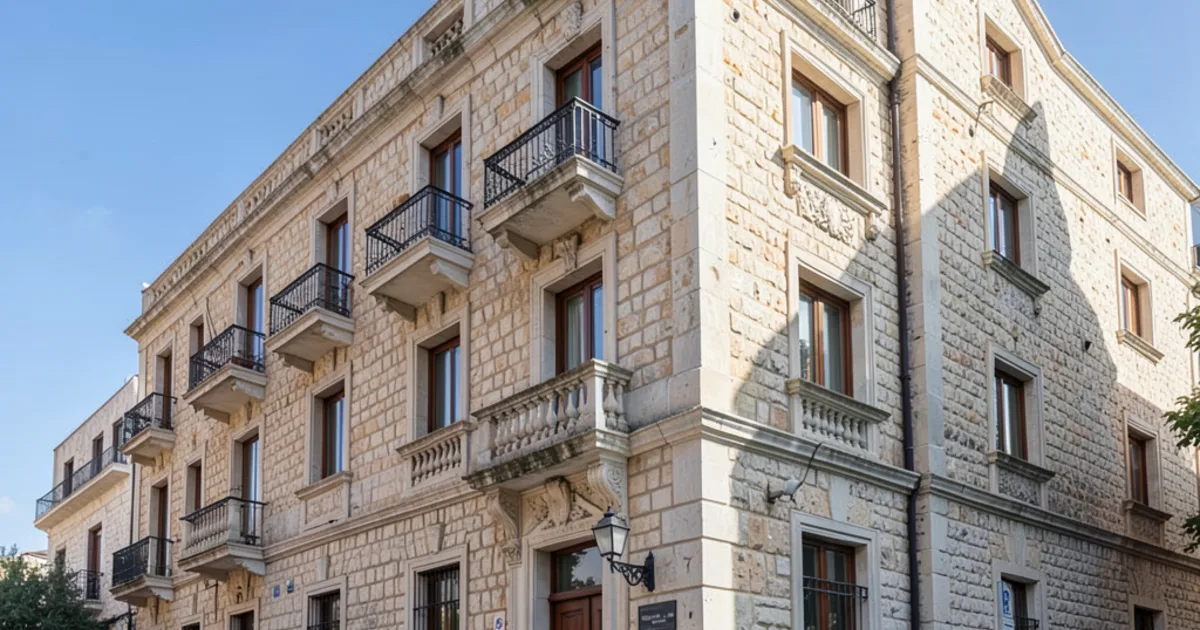
Ramat Beit Shemesh (RBS), often hailed as the 'Anglo heartland' of Israel, attracts numerous families seeking a vibrant, community-focused lifestyle. While the allure is strong, understanding the comprehensive cost of living for a family of five extends far beyond the initial housing purchase or rental agreement. This article delves into the nuanced financial landscape of RBS, providing a realistic breakdown of expenses families can expect, helping you budget effectively for your move and long-term settlement.
Quick answer: The total cost of living in Ramat Beit Shemesh for a family of five includes housing, which is often more affordable than major Israeli cities, plus daily expenses such as groceries, utilities, and transportation. Because the neighborhood is part of Beit Shemesh, residents benefit from lower municipal taxes and a suburban lifestyle, though costs can vary significantly depending on the specific housing type and lifestyle choices.
- The Foundation: Housing Costs Beyond the Purchase Price
- Navigating Daily Necessities: Groceries and Household Goods
- Utilities and Communications: Keeping the Home Running
- Education and Childcare: Investing in the Future
- Healthcare and Insurance: Prioritizing Well-being
- Transportation: Getting Around RBS and Beyond
- Leisure, Entertainment, and Community Engagement
- Personal Care and Miscellaneous Expenses
- The Role of Ulpan and Language Acquisition
- Financial Planning and Budgeting Strategies for RBS Families
The Foundation: Housing Costs Beyond the Purchase Price
When considering housing in Ramat Beit Shemesh, especially for a family of five, the initial purchase price is just one component of the overall financial commitment. Beyond the sticker price, potential homeowners must factor in a range of associated costs that can significantly impact their budget. These include legal fees for lawyers, often a few percent of the transaction value, and potentially a real estate agent's commission, which typically ranges from a few percent plus VAT.
Furthermore, the Israeli property tax system introduces additional significant expenses. Buyers will encounter Mas Rekhisha, or purchase tax, which is a progressive tax rate based on the property's value and the buyer's residency status. For new olim (immigrants) and Israeli citizens, different brackets apply, with higher values incurring substantially larger tax liabilities. Understanding these thresholds and planning accordingly is crucial before committing to a purchase.
For those considering selling property in the future, it's also worth noting the potential for Mas Shevah, or capital gains tax, on any profit made from the sale. While not an immediate cost, it's part of the broader financial ecosystem of property ownership in Israel. Additionally, the Mashkanta, or mortgage, comes with its own set of fees, including appraisal fees, opening fees, and ongoing interest payments, which form a substantial monthly outlay.
Even for renters, the costs extend beyond the monthly rent. A security deposit, often equivalent to a few months' rent, is standard, alongside a rental agent's fee if applicable. Many landlords also require a binding memorandum (zichron devarim) which might incur legal consultation costs, and ongoing Arnona (municipal property tax) and Vaad Bayit (building maintenance fees) are universally applicable for both owners and renters, varying based on property size and building amenities.
Navigating Daily Necessities: Groceries and Household Goods
For a family of five, grocery shopping in Ramat Beit Shemesh represents a significant and recurring expense. While there are various supermarket chains available, prices can fluctuate considerably between them, and savvy shoppers often frequent different stores for specific items to maximize savings. Bulk purchases, especially for staples, can offer some relief, but the overall cost for a large family's weekly shop can be substantial.
Produce, meat, and dairy products, while generally fresh and high quality, can command premium prices, particularly for specific cuts or organic options. Families often find themselves balancing desires for certain brands or imported goods with the practicalities of a budget. Learning to utilize local shuk (market) days for fresh produce can sometimes offer better value than supermarkets, but requires a certain level of Hebrew proficiency and flexibility.
Beyond food, household goods like cleaning supplies, toiletries, and personal care items also contribute to the monthly spend. While there are discount stores, the cumulative cost for a family of five can add up. Families often develop strategies such as buying in bulk when sales occur, or opting for store-brand alternatives, to manage these ongoing expenses effectively.
Dietary preferences and needs within the family also play a role. Families adhering to specific dietary requirements, such as gluten-free or organic, might find their grocery bills to be on the higher end due to the specialized nature and often premium pricing of these products. Planning meals, creating shopping lists, and avoiding impulse purchases are key strategies for managing this substantial budget category.
Utilities and Communications: Keeping the Home Running
The cost of utilities in Ramat Beit Shemesh is another crucial component of a family's budget, encompassing electricity, water, gas, and internet services. Electricity consumption, particularly during the hot summer months for air conditioning and the colder winter months for heating, can lead to noticeably higher bills. Families with young children or those who work from home will likely see higher usage across the board.
Water bills are calculated based on consumption, with progressive pricing tiers, meaning higher usage incurs a higher per-unit cost. For a family of five, mindful water usage is essential, from shorter showers to efficient laundry practices. Gas is typically used for cooking and sometimes for water heating, with costs varying based on usage and the type of heating system installed in the home.
Internet and mobile phone services are indispensable in modern life. Ramat Beit Shemesh offers various providers, and competition can lead to good deals, especially for bundled packages. However, ensuring sufficient bandwidth for multiple users, streaming, and online learning for children often necessitates a higher-tier internet package. Mobile plans vary widely depending on data usage, international calls, and included features.
Beyond these primary utilities, it's important to factor in other potential costs such as television subscriptions, whether cable or streaming services, which many families consider essential for entertainment. While not as high as electricity or water, these recurring monthly fees contribute to the overall household operational budget. Prudent comparison shopping and reviewing usage patterns periodically can help optimize these expenses.
Education and Childcare: Investing in the Future
For a family of five, education and childcare expenses form a significant portion of the budget, particularly in a community like Ramat Beit Shemesh with its diverse educational offerings. For younger children, daycare (mishpachton or gan) costs can be substantial, often varying based on age, hours, and the specific program. While some subsidies may be available, many families bear the brunt of these costs themselves.
As children enter school age, the costs shift but do not necessarily diminish. While public education is largely free, there are often mandatory fees for books, supplies, trips, and extracurricular activities. Many families in RBS also opt for private or semi-private religious schools, which come with tuition fees that can range significantly depending on the institution and grade level. These fees can quickly add up for multiple children.
Beyond formal schooling, supplementary education is common. This includes private tutoring for subjects like English or math, music lessons, sports clubs, and various hobby groups. These activities, while enriching, represent additional out-of-pocket expenses for parents. The more children participating, the higher the cumulative cost, making careful selection and budgeting essential.
The community of Ramat Beit Shemesh offers a wealth of educational opportunities, but navigating these choices with a family of five requires both financial planning and a clear understanding of what each option entails. Families often prioritize certain educational experiences, making trade-offs in other areas of their budget to ensure their children receive the desired schooling and enrichment activities.
Healthcare and Insurance: Prioritizing Well-being
Healthcare in Israel is generally excellent, with a universal healthcare system provided through Kupot Cholim (health funds). Enrollment in a Kupat Cholim is mandatory for residents, and the monthly contributions are typically deducted from salaries. These contributions cover a wide range of services, including doctor visits, hospitalizations, and prescription medications, with some co-payments required.
However, for families accustomed to broader coverage or seeking more specialized services, supplementary health insurance (bituach mashlim) offered by the Kupot Cholim is highly recommended. These plans provide additional benefits such as discounted specialist visits, alternative medicine, private room options in hospitals, and broader coverage for certain medications or treatments not fully covered by the basic plan. The cost of these supplementary plans increases with age and the level of coverage chosen.
For a family of five, the cumulative cost of these contributions and supplementary plans can be noticeable. Furthermore, specific dental care or optical needs, particularly for children, may incur additional out-of-pocket expenses, as not all procedures are fully covered. Families often budget for these potential costs, especially if children require orthodontics or specialized vision care.
Beyond health insurance, many families also consider private travel insurance for trips abroad, or even private life and disability insurance, adding another layer of financial planning. While the basic healthcare system provides a strong safety net, a comprehensive approach to family well-being often involves investing in these additional insurance products to ensure peace of mind and access to a wider range of services.
Transportation: Getting Around RBS and Beyond
Transportation costs for a family of five in Ramat Beit Shemesh can vary significantly depending on reliance on public transport versus private vehicles. Public transport, including buses and trains, is a viable option for many, especially for commuting to Jerusalem or Tel Aviv. The Rav-Kav card makes bus travel convenient and often more affordable, particularly with monthly passes or discounted fares for children and seniors.
However, for a family of five, particularly with young children or needing to transport groceries, a private car often becomes a necessity. Car ownership in Israel comes with substantial expenses, including the initial purchase price, which can be higher than in some other countries, and ongoing costs like fuel, insurance, annual licensing fees (agrat rishui), and maintenance. Parking can also be a challenge and an additional cost in certain areas of RBS.
Families with two cars will naturally incur double the running costs, making this a significant budget item. Fuel prices fluctuate, and vehicle insurance, which is mandatory and includes third-party liability (bituach hova) and often comprehensive (maki), can be considerable, especially for newer vehicles or drivers with less experience. Regular servicing and unexpected repairs also need to be factored into the annual budget.
For those without a car, taxis and ride-sharing services are available but can quickly become expensive for frequent use with a family of five. Bicycles and electric bikes are popular for local travel within RBS, especially for older children and adults, offering a cost-effective and environmentally friendly alternative for shorter distances, though they don't replace the need for other transport options for larger families.
Leisure, Entertainment, and Community Engagement
Ramat Beit Shemesh offers a vibrant community life, and engaging in leisure and entertainment activities is important for family well-being, though these come with associated costs. Family outings to local parks, playgrounds, and community events are often free or low-cost. However, trips to larger attractions like zoos, national parks, or museums across Israel will incur entrance fees, and for a family of five, these can add up quickly.
Dining out, even casually, can become a significant expense. While there are numerous eateries in RBS, from fast food to more upscale restaurants, the cost per meal for five people can be substantial. Many families prioritize home-cooked meals and reserve dining out for special occasions, or opt for more budget-friendly takeaway options.
Children's activities and enrichment classes, beyond the school curriculum, also fall under this category. This could include swimming lessons, art classes, scouts, or youth groups. While many of these are subsidized or offered at reasonable rates by municipal centers, the cumulative cost for multiple children participating in several activities can be considerable. Families often choose activities carefully, balancing interests with budget constraints.
Community events, shul (synagogue) contributions, and charitable giving are also part of the financial landscape for many families in RBS. While often voluntary, these contributions are deeply ingrained in the community ethos. Planning for these varied leisure and community-related expenses ensures a balanced and fulfilling family life without unexpected financial strain.
Personal Care and Miscellaneous Expenses
Beyond the major categories, a family of five will inevitably encounter various personal care and miscellaneous expenses that, while individually small, collectively contribute to the monthly budget. This includes haircuts for five individuals, which can range from basic trims to more elaborate styles, and personal grooming products beyond the basic toiletries already covered in groceries.
Clothing and footwear are ongoing expenses, particularly for growing children. While sales and discount stores can help, ensuring adequate seasonal wardrobes for five people requires regular purchases. Many families utilize second-hand options or hand-me-downs to manage these costs effectively, especially for rapidly outgrowing items.
Gifts for birthdays, holidays, and other social occasions are another recurring miscellaneous expense. In a close-knit community like RBS, there are often numerous opportunities for gift-giving throughout the year. Families typically set aside a small portion of their budget for these social obligations, avoiding last-minute pressures.
Other miscellaneous costs can include banking fees, postage, small household repairs, batteries, stationery, and occasional professional services like a locksmith or plumber. While unpredictable, having a contingency fund for such unexpected expenses is a wise financial practice, particularly for a larger family where such occurrences might be more frequent.
The Role of Ulpan and Language Acquisition
For many new olim moving to Ramat Beit Shemesh, acquiring or improving Hebrew language skills through an ulpan (intensive Hebrew language program) is a crucial step for integration and can have financial implications. While some ulpan programs are subsidized for new immigrants, especially during their first year, the costs associated with attending can still be significant. This includes registration fees, transportation to the ulpan, and potentially childcare costs during class hours.
Beyond the initial subsidized period, families may opt for private ulpan courses or tutors for continued language development. These can be more flexible but come at a higher per-hour cost. For a family of five, ensuring that parents have sufficient Hebrew to navigate daily life, from doctor appointments to school communications, is paramount, making this an essential investment.
The benefits of Hebrew proficiency extend beyond mere communication; it can open doors to better employment opportunities, facilitate dealings with government agencies, and enhance social integration within the broader Israeli society. Therefore, viewing ulpan costs as an investment rather than just an expense is a valuable perspective.
Families often need to budget for study materials, dictionaries, and potentially even online learning platforms to supplement their ulpan experience. While the immediate financial outlay might seem considerable, the long-term gains in independence and quality of life for the entire family often outweigh these initial costs, making it a critical component of the overall 'cost of living' in a holistic sense.
Financial Planning and Budgeting Strategies for RBS Families
Effective financial planning is paramount for a family of five in Ramat Beit Shemesh. Creating a detailed monthly budget that meticulously tracks income and expenses across all categories discussed is the first crucial step. This allows families to identify areas where spending can be optimized and ensures that essential needs are met before discretionary spending.
Setting financial goals, such as saving for a down payment on a home, children's future education, or emergency funds, provides direction for budgeting efforts. Regular review of the budget, perhaps monthly or quarterly, allows families to adapt to changing circumstances, unexpected expenses, or shifts in income. Flexibility is key, as life with a large family rarely follows a perfectly predictable path.
Exploring all available subsidies and benefits for olim or large families is also a wise strategy. This could include childcare subsidies, discounts on public transportation, or various tax benefits. While these may not cover all costs, they can offer meaningful relief and should be actively pursued. Consulting with financial advisors specializing in Israeli regulations can be highly beneficial.
Finally, fostering open communication within the family about finances, even with older children, can promote a sense of shared responsibility and understanding. Teaching children about budgeting and the value of money can be an invaluable life skill, contributing to the family's long-term financial health in Ramat Beit Shemesh. Understanding the true cost of living is not just about numbers, but about making informed choices that support a family's aspirations and well-being.
FAQ
What are the main property taxes I should budget for in Ramat Beit Shemesh?
Beyond the purchase price, expect to budget for Mas Rekhisha (purchase tax) upon acquisition, and ongoing Arnona (municipal property tax) and Vaad Bayit (building maintenance fees) for both owners and renters. If selling, Mas Shevah (capital gains tax) might apply.
Are there ways to save on grocery costs for a large family in RBS?
Yes, families often save by comparing prices between different supermarkets, utilizing local shuk (market) days for produce, buying staples in bulk, and planning meals to minimize waste. Loyalty programs and sales events can also offer significant savings.
How does the cost of education vary for a family of five in Ramat Beit Shemesh?
Education costs range from subsidized public options with minimal fees to private religious schools with substantial tuition. Additionally, budget for extracurricular activities, private lessons, and school trips, which can add up significantly for multiple children.
Is private car ownership essential for a family of five in RBS?
While public transport is available, many families of five find a private car essential for convenience, especially with young children, groceries, or for travel beyond local bus routes. Be prepared for significant costs associated with car purchase, insurance, fuel, and maintenance.
What role does Ulpan play in the cost of living for new olim families?
Ulpan (Hebrew language program) is a crucial investment for new olim, enabling better integration and employment. While some programs are subsidized, budget for registration fees, transportation, and potential childcare during class hours, as well as ongoing language learning resources.
Get your personalised shortlist
Listings and up-to-date info, straight to your inbox, free, no obligation.
See RBS homes →