Real estate investment opportunities in RBS Bet for international investors
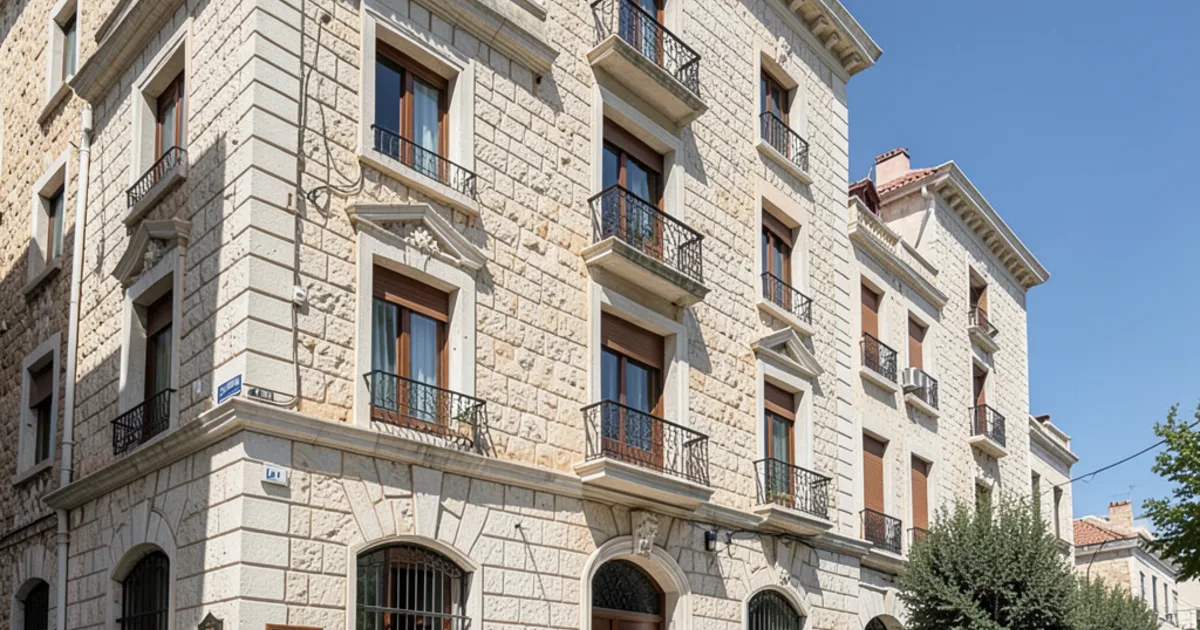
The real estate landscape in Israel offers various opportunities, but few are as specialized as the neighborhoods of Ramat Beit Shemesh (RBS). For international investors, particularly those looking for stability within a specific demographic niche, RBS Bet has emerged as a focal point of interest. This article explores the underlying mechanics of the local market, from community-driven demand to the legal complexities of cross-border acquisition.
- Why is RBS Bet considered a unique investment niche?
- How do the different neighborhoods within Beit Shemesh compare?
- What drives the rental demand in the Haredi community?
- What are the essential legal steps for an international buyer?
- How does the Israeli tax system affect non-resident investors?
- Can international investors secure a Mashkanta mortgage?
- What are the practicalities of remote property management?
- How does local infrastructure influence property values?
- What risks should overseas investors mitigate?
- What is the strategic process for acquiring property in RBS?
- What is the long-term outlook for the Beit Shemesh region?
Why is RBS Bet considered a unique investment niche?
RBS Bet occupies a specific demographic position that distinguishes it from the more secular or diverse areas of Beit Shemesh. The neighborhood is primarily composed of the Haredi community, which creates a highly predictable and localized housing market. Unlike more transient urban centers, the residents here tend to remain for generations, fostering a sense of permanence that stabilizes property values.
This demographic stability is driven by the specific lifestyle requirements of the community, such as proximity to synagogues, schools, and kosher infrastructure. When a neighborhood is built around a specific way of life, the demand for housing becomes less sensitive to broader economic fluctuations and more tied to community growth. This creates a 'sticky' market where supply often struggles to keep pace with the natural population increase.
For an international investor, this niche offers a hedge against the volatility seen in more speculative real estate sectors. While no investment is without risk, the fundamental necessity of housing within this specific community provides a consistent floor for rental demand. Investors are essentially betting on the continued growth and cohesion of a well-defined social group.
- High community retention rates
- Predictable demographic growth patterns
- Niche demand for specific lifestyle amenities
How do the different neighborhoods within Beit Shemesh compare?
Understanding the distinction between RBS Alef, RBS Bet, and RBS Gimmel is vital for any serious investor. RBS Alef is the more established, mature neighborhood, characterized by older building stock and a more settled atmosphere. While it may offer less immediate room for rapid appreciation, it often provides a more stable rental yield due to its established reputation.
RBS Bet represents the current frontier of growth, featuring newer constructions and a more dynamic atmosphere. It is currently the primary area of interest for those looking to capitalize on the expansion of the Haredi middle class. The infrastructure is still evolving, which means there is significant potential for value increases as the neighborhood reaches full maturity.
Looking further ahead, RBS Gimmel is positioned as the next major expansion zone. This area is often in the earlier stages of development, offering different risk profiles compared to the more established Bet. Investors must weigh the higher potential for appreciation in Gimmel against the more immediate stability and established rental markets found in Alef and Bet.
- RBS Alef: Established, mature, stable yields
- RBS Bet: Growing, modern, high demand
- RBS Gimmel: Future expansion, high growth potential
What drives the rental demand in the Haredi community?
The demand for rental properties in RBS Bet is largely driven by the unique family structures within the Haredi community. Large families are the norm, which creates a constant need for multi-bedroom apartments and larger floor plans. This demand is not merely cyclical but is fundamentally linked to the high birth rates characteristic of the population.
Furthermore, the desire to live within walking distance of specific institutions, such as local synagogues or specialized schools, creates localized demand hotspots. A property's value is often dictated by its proximity to these community anchors. This ensures that even during economic downturns, the necessity of living within the community's social fabric keeps the rental market active.
Investors should note that the rental market here operates with a high degree of consistency. Families often seek long-term leases, which can reduce the turnover costs associated with property management. This stability is a significant advantage for non-resident owners who require a predictable cash flow from their overseas assets.
What are the essential legal steps for an international buyer?
Acquiring property in Israel requires a firm understanding of the local legal framework to ensure a secure transaction. The most critical step is the verification of the property's status in the Tabu (the official Land Registry). Ensuring that the title is clear and that there are no undisclosed liens or encumbrances is the foundation of a safe investment.
Once a property is identified, the process moves toward the drafting of a binding memorandum, known locally as a 'Hover.' This document is the legal cornerstone of the deal, outlining the purchase price, payment schedules, and the specific conditions of the sale. It is imperative that this document is drafted or reviewed by a qualified Israeli lawyer to protect the buyer's interests.
For international investors, the role of a notary is also essential. Because the buyer may be signing documents outside of Israel, a notary must often certify identities and signatures to ensure they are recognized by the Israeli authorities and the Tabu. This adds a layer of administrative complexity that requires careful planning and coordination between local and international parties.
- Verification of title via the Tabu registry
- Drafting and signing the binding memorandum
- Notarization of international documents
How does the Israeli tax system affect non-resident investors?
Taxation is a critical component of the total return on investment and must be factored into any acquisition strategy. One of the primary taxes is Mas Rekhisha, or purchase tax, which is applied at the time of acquisition. The rates for this tax can vary based on the type of property and whether the buyer is considered a first-time purchaser, though rules for non-residents can be complex.
When it comes time to sell, investors must account for Mas Shevah, which is the capital gains tax. This tax is generally applied to the profit made on the sale of the property. Understanding the nuances of how this tax is calculated, especially regarding the duration of ownership and any applicable exemptions, is vital for accurate financial modeling.
Beyond transaction taxes, ongoing costs such as Arnona (municipal property tax) must be managed. Arnona is a recurring expense that is tied to the size and location of the property. While it is a standard cost for all property owners, it should be factored into the net rental yield calculations to ensure the investment remains profitable.
Can international investors secure a Mashkanta mortgage?
Financing a property purchase in Israel as a non-resident can present unique challenges. A Mashkanta, or mortgage, is the standard method of financing, but Israeli banks often apply stricter criteria to overseas applicants. They typically require a higher down payment and may look more closely at the investor's global financial standing and local ties.
The process of securing a Mashkanta involves extensive documentation, including proof of income, tax returns, and a clear understanding of the investor's debt-to-income ratio. Because the bank is lending in a foreign currency to a non-resident, they often seek additional layers of security. This might include higher interest rates or more stringent collateral requirements than those offered to local residents.
It is often advisable to consult with a mortgage broker who specializes in the Israeli market and has experience working with the diaspora. They can help navigate the different banking institutions and identify which lenders are most accommodating to international profiles. Having a pre-approval or a clear understanding of borrowing capacity is essential before entering into a binding memorandum.
What are the practicalities of remote property management?
Managing a property from a different country requires a proactive and organized approach to ensure the asset is well-maintained and the tenants are satisfied. A common mistake for international investors is attempting to manage the property themselves from afar. Without a local presence, responding to maintenance emergencies or handling tenant disputes becomes significantly more difficult.
Engaging a professional property management service is often the most prudent course of action. These services can handle everything from collecting rent and paying Arnona to coordinating repairs and conducting periodic inspections. While this incurs a monthly fee, the peace of mind and the professional handling of the asset often outweigh the cost.
In addition to physical management, investors must stay informed about local community changes. Since the value of RBS Bet property is so closely tied to local infrastructure and community needs, being aware of new school openings or synagogue developments can help in managing tenant expectations and planning for future renovations.
- Regular maintenance and emergency repairs
- Rent collection and tenant screening
- Management of Arnona and utility payments
How does local infrastructure influence property values?
The value of real estate in RBS Bet is intrinsically linked to the quality and accessibility of local infrastructure. In a community-centric area, infrastructure is not just about roads and electricity; it is about the availability of religious and educational services. The presence of a local Ulpan, for example, can be a significant driver of demand for families moving to the area.
Urban planning and municipal investments also play a major role in long-term appreciation. When the municipality invests in improved transportation links to Jerusalem or enhances local parks and community centers, it directly increases the desirability of the neighborhood. Investors should look for areas where the municipality has signaled upcoming infrastructure projects.
Furthermore, the development of commercial zones that cater to the Haredi lifestyle, such as specific grocery stores or medical clinics, adds a layer of convenience that supports higher rental rates. As RBS Bet continues to develop, the integration of these essential services will be a key indicator of the area's upward trajectory.
What risks should overseas investors mitigate?
No real estate investment is entirely risk-free, and international investors must be particularly mindful of certain variables. One primary risk is liquidity; while the RBS market is active, selling a property can sometimes take longer than expected, especially if the property is specialized. It is important not to invest capital that is required for immediate liquidity.
Geopolitical and security considerations are also a reality for any investor in Israel. While the local market in Beit Shemesh has shown significant resilience, broader regional tensions can occasionally impact market sentiment. Investors should maintain a long-term perspective and avoid making decisions based on short-term market fluctuations.
Finally, there is the risk of regulatory changes. Tax laws or municipal zoning regulations can shift, affecting the profitability of an investment. Staying connected to local news and maintaining a relationship with professional advisors can help mitigate these risks by providing early warnings of potential changes in the legal or fiscal landscape.
What is the strategic process for acquiring property in RBS?
A successful acquisition begins with a clear definition of investment goals. Are you looking for immediate rental income, or is your primary objective long-term capital appreciation? These goals will dictate whether you focus on the established stability of RBS Alef or the growth potential of RBS Bet and Gimmel.
Once your strategy is set, the next phase is rigorous due diligence. This involves more than just looking at the apartment; it requires examining the building's history, the community's direction, and the legal standing of the title. Working with a local agency that understands the specific nuances of the Haredi market is a significant advantage during this phase.
The final stage is the execution of the purchase. This requires seamless coordination between your legal counsel, the seller's representatives, and any financial institutions involved. A structured approach, moving from goal setting to due diligence and finally to a controlled closing, is the best way to ensure a smooth transition from seeker to owner.
- Define investment objectives (Yield vs. Appreciation)
- Conduct thorough due diligence and market research
- Execute a structured closing process
What is the long-term outlook for the Beit Shemesh region?
The long-term outlook for the Beit Shemesh area remains positive, largely due to its strategic location. Situated between the major economic hubs of Jerusalem and Tel Aviv, the city serves as a vital residential center for a growing population. This geographic advantage ensures a steady influx of new residents, regardless of specific demographic shifts.
As the city continues to expand, the integration of better transit and infrastructure will likely bridge the gap between the suburban feel of RBS and the urban opportunities of the larger metropolitan areas. This connectivity is a key driver for both residential demand and commercial development, both of which support real estate values.
While the Haredi community is the primary engine of growth in RBS, the broader development of Beit Shemesh as a multi-faceted city provides a safety net. The convergence of diverse populations and economic activities suggests that the region is well-positioned for sustained, long-term growth in the coming decades.
FAQ
Is it difficult for non-residents to buy property in RBS Bet?
It is entirely possible, but it requires careful preparation. You will need to navigate specific legal requirements, such as verifying titles in the Tabu and potentially notarizing documents abroad. Working with local professionals who understand the needs of international buyers is highly recommended.
What are the main costs beyond the purchase price?
Investors should budget for Mas Rekhisha (purchase tax), legal fees for their lawyer, and notary costs. Ongoing expenses include Arnona (municipal tax), property management fees, and routine maintenance costs. All these should be factored into your expected net yield.
Does the Haredi community influence the type of property I should buy?
Yes, the community's lifestyle heavily dictates demand. Larger apartments with multiple bedrooms are often in higher demand due to larger family sizes. Additionally, proximity to synagogues and religious schools is a major factor in both rental demand and property value.
Can I manage my RBS property remotely?
While technically possible, it is much more efficient to hire a professional property management service. They can handle local issues like tenant communication, emergency repairs, and tax payments. This ensures your investment is protected and your time is used more effectively.
Get your personalised shortlist
Listings and up-to-date info, straight to your inbox, free, no obligation.
See RBS homes →