Rbs estates
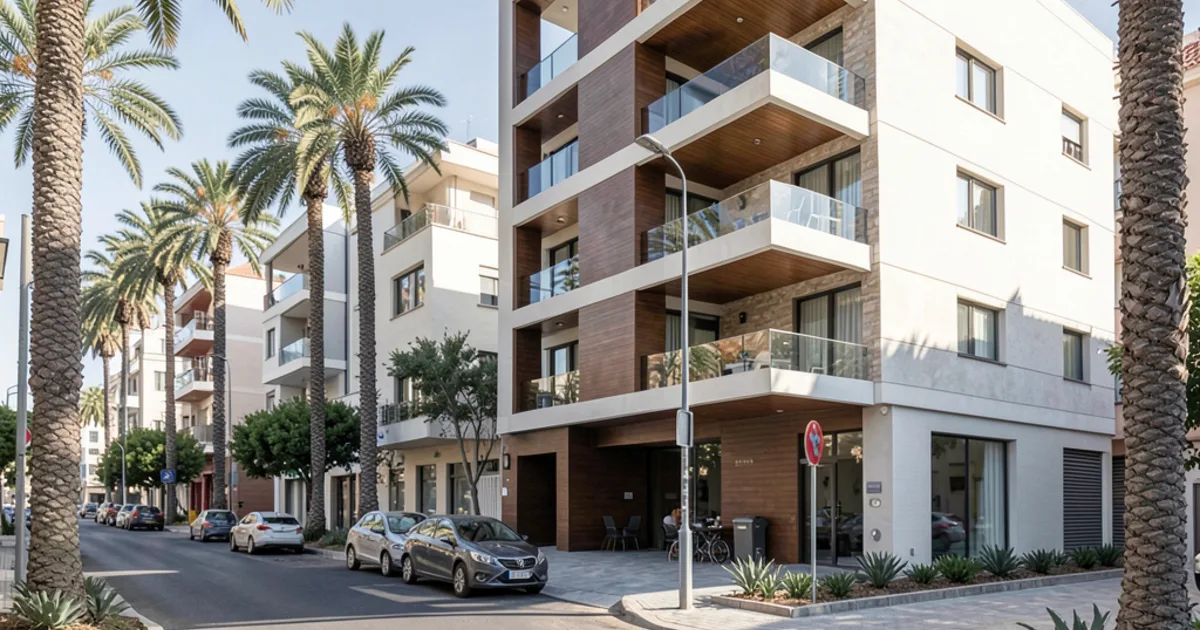
Finding the right property within the various RBS estates requires much more than a simple search for a beautiful home; it necessitates a profound understanding of the local urban landscape. Whether you are drawn to the established community of RBS Alef or the modern, forward-looking developments in RBS Gimmel, each sector offers a unique lifestyle and investment profile. This comprehensive guide is designed to help you navigate the intricacies of the Beit Shemesh property market with confidence and clarity.
- Defining the Landscape of RBS Estates
- Comparing RBS Alef, Bet, and Gimmel
- Navigating the Tabu and Property Ownership
- Understanding Mas Rekhisha and Financial Obligations
- The Role of Mashkanta in Your Purchase
- Due Diligence and the Binding Memorandum
- Understanding Mas Shevah in Seller Negotiations
- Community Integration and the Role of Ulpan
- Managing Arnona and Local Municipalities
- Long-term Investment in the RBS Region
Defining the Landscape of RBS Estates
The term 'RBS estates' encompasses a wide variety of residential environments, ranging from high-density apartment complexes to more spacious, suburban-style developments. Understanding this diversity is the first step for any prospective buyer or investor looking to establish a foothold in the region. The growth of Ramat Beit Shemesh has been characterized by planned expansions that cater specifically to the needs of the Anglo-speaking community, creating a unique urban fabric. This intentionality means that the infrastructure, schools, and communal spaces are often designed with a specific demographic in mind.
Geographically, the area is divided into distinct sectors that serve different life stages and budgetary requirements. Some sectors offer the convenience of proximity to central services and older, more established streets, while others provide the excitement of new construction and modern amenities. This segmentation allows for a highly specialized market where property values and community vibes can vary significantly from one street to the next. Recognizing these nuances is essential to ensure that your chosen estate aligns with your long-term lifestyle goals.
As the city continues to expand, the concept of an 'estate' in this context is evolving from simple residential blocks into integrated micro-communities. These areas are increasingly defined by their walkability, their proximity to local synagogues, and the availability of specialized educational institutions. For many, the appeal of RBS estates lies in this built-in social infrastructure, which facilitates easier integration for those moving from abroad. It is not merely about the bricks and mortar, but about the community ecosystem that surrounds the physical property.
- Established residential sectors
- Planned expansion zones
- Community-centric urban design
Comparing RBS Alef, Bet, and Gimmel
RBS Alef stands as one of the most mature and sought-after sectors within the local real estate market. Because it was among the first major expansions, it offers a level of stability and established communal life that newer areas may lack. Families often gravitate here because the schools, shops, and synagogues are already deeply rooted in the neighborhood. While the housing stock may be older compared to the newest developments, the sense of belonging and the availability of amenities make it a premier choice for many.
In contrast, RBS Bet serves as a dynamic middle ground, offering a blend of established living and ongoing development. This sector often provides a wider variety of housing types, making it an attractive option for a diverse range of buyers, from young couples to larger families. The atmosphere in RBS Bet is frequently described as energetic, as it continues to attract new residents who are looking for a balance between community history and modern growth. It acts as a vital link in the overall progression of the city's residential footprint.
RBS Gimmel represents the future of the RBS estates, characterized by cutting-edge architectural trends and the latest in urban planning. This area is often where you will find the most modern apartment buildings and the most advanced communal facilities. While some parts of Gimmel may still be in the process of reaching full maturity, the long-term potential for high-quality living is significant. For those who prioritize brand-new construction and the latest home technologies, Gimmel is often the primary destination of interest.
- RBS Alef: Mature, established, and highly communal
- RBS Bet: Diverse, growing, and centrally located
- RBS Gimmel: Modern, new construction, and future-focused
Navigating the Tabu and Property Ownership
In Israel, the concept of property ownership is anchored in the Tabu, which is the official land registry managed by the government. When searching through various RBS estates, it is imperative to ensure that the property you are interested in is properly registered in the Tabu. This registry provides the definitive legal record of who owns a piece of land or a building and identifies any existing liens or encumbrances. Without a clear registration in the Tabu, the process of transferring ownership can become incredibly complicated and legally risky.
The process of transferring a title involves much more than a simple exchange of funds; it requires a rigorous legal framework to protect all parties involved. A qualified local lawyer will typically handle the communication with the Tabu to ensure that the transfer is recorded correctly and that the buyer receives a clean title. This includes verifying that there are no undisclosed mortgages or legal disputes attached to the property. Relying on professional legal counsel is not just a recommendation; it is a fundamental necessity in the Israeli real estate market.
One of the most critical documents in this entire process is the binding memorandum, often referred to locally as the 'Hov Sheva.' This document outlines the terms of the sale, the price, the payment schedule, and the conditions under which the sale can be finalized. Because this document is legally binding, it is vital that every detail is scrutinized before any signatures are applied. Errors or omissions in this document can lead to significant financial and legal headaches down the road, making thorough review a non-negotiable step.
Understanding Mas Rekhisha and Financial Obligations
One of the most significant financial considerations when purchasing within RBS estates is Mas Rekhisha, commonly known as the purchase tax. This tax is calculated based on the purchase price of the property and is structured in a tiered system. The amount you are required to pay can vary depending on whether you are purchasing a primary residence or an investment property, as well as your status as a resident. It is crucial to factor this tax into your initial budget, as it is a substantial upfront cost that is paid to the tax authorities.
Beyond the purchase tax, buyers must also be aware of the ongoing municipal costs associated with property ownership. This includes the Arnona, which is the annual municipal tax used to fund local services such as garbage collection, street lighting, and local infrastructure. Arnona rates can vary based on the size of the property, its usage (residential vs. commercial), and the specific municipality. Understanding your potential Arnona obligations is essential for accurate long-term financial planning and monthly budgeting.
It is also important to consider the potential for other transaction-related costs, such as notary fees and legal expenses. While these may seem smaller in comparison to the Mas Rekhisha, they still contribute to the total cost of acquisition. A well-organized approach involves creating a comprehensive checklist of all expected costs to avoid any unpleasant surprises during the closing process. Being proactive about these financial realities will ensure a smoother transition into your new home.
- Mas Rekhisha: Tiered purchase tax based on property value
- Arnona: Ongoing municipal tax for local services
- Legal and Notary: Essential transaction-related fees
The Role of Mashkanta in Your Purchase
For many buyers, securing a Mashkanta, or mortgage, is a central component of the acquisition process for RBS estates. The Israeli mortgage market offers various structures, allowing borrowers to choose between different types of interest rates and repayment terms. Some may opt for a fixed interest rate to ensure stability, while others might look at variable rates in hopes of benefiting from market fluctuations. Understanding the nuances of these different options is vital to selecting a financing plan that fits your risk tolerance.
The process of obtaining a Mashkanta typically begins with a pre-approval from a local bank. This step is crucial because it provides a clear indication of your borrowing capacity and helps you narrow down the properties that are realistically within your reach. A pre-approval also demonstrates to sellers that you are a serious and capable buyer, which can be a significant advantage during negotiations. It is highly recommended to consult with a financial expert to optimize your mortgage structure for the long term.
Once a property is selected and a contract is signed, the bank will conduct its own due diligence on the property before finalizing the loan. This often includes an appraisal to ensure the property's value aligns with the loan amount requested. It is important to remember that the mortgage process is closely tied to the legal progress of the sale; the bank will usually only release funds once the necessary legal milestones, such as the registration in the Tabu, are being addressed. Patience and coordination between your lawyer and your bank are key.
Due Diligence and the Binding Memorandum
Due diligence is the cornerstone of a successful real estate transaction in the RBS region. This process involves a deep dive into the legal, physical, and financial history of the property you intend to purchase. You must verify that the property description in the Tabu matches the physical reality on the ground. This includes checking for any unauthorized additions or constructions that may have been made by previous owners, as these can lead to significant legal issues and fines from the municipality later on.
In addition to legal verification, a physical inspection of the property is highly recommended. While many modern developments in RBS Gimmel may appear pristine, older properties in RBS Alef or Old Beit Shemesh may require attention to structural integrity, plumbing, or electrical systems. Hiring a professional inspector can provide peace of mind and help you negotiate a better price if significant repairs are needed. Never assume a property is in perfect condition simply based on its aesthetic appearance.
The binding memorandum serves as the final safeguard during the due diligence phase. Because this document locks in the terms of the deal, it must reflect all the findings of your investigations. If your lawyer discovers a discrepancy in the land registry or an issue with the property's zoning, these must be addressed within the memorandum before it is signed. This might involve adding specific conditions that protect the buyer, such as requiring the seller to rectify certain issues before the final closing date.
- Verify Tabu records against physical property
- Conduct professional physical inspections
- Ensure all findings are reflected in the binding memorandum
Understanding Mas Shevah in Seller Negotiations
While much of the focus for buyers is on Mas Rekhisha, it is equally important to understand the implications of Mas Shevah, or capital gains tax, for the seller. Mas Shevah is a tax levied on the profit made from the sale of a property. In many cases, the amount of tax the seller must pay can influence their willingness to negotiate on the final sale price. A seller who is facing a significant Mas Shevah obligation may be less flexible in a competitive market.
For the buyer, being aware of the seller's tax situation can provide strategic insight during negotiations. While you do not deal with the seller's taxes directly, understanding the financial pressures they may be under can help you structure your offer more effectively. For example, a seller who needs to move quickly to avoid a certain tax threshold might be more inclined to accept a faster closing schedule. This knowledge, used subtly, can be a powerful tool in the negotiation process.
It is also worth noting that there are certain exemptions and considerations regarding Mas Shevah, particularly for primary residences. These rules can vary depending on the length of time the property has been held and whether it was the owner's only home. Because these regulations are complex, both buyers and sellers should rely on their respective legal counsel to navigate these tax implications. Ensuring that all tax obligations are clearly accounted for prevents any last-minute delays in the transfer of ownership.
Community Integration and the Role of Ulpan
One of the most unique aspects of living in the various RBS estates is the strong emphasis on community and social integration. For many Anglo-speaking families, the move to Ramat Beit Shemesh is not just a change in location, but a change in lifestyle. The neighborhoods are often organized around communal needs, with synagogues, schools, and community centers serving as the heart of local life. This social fabric is what makes the area so attractive to those looking for a supportive and familiar environment.
A key component of this integration process is the Ulpan, or Hebrew language school. For new residents, learning the local language is often the most significant hurdle to fully participating in the community and navigating daily life in Israel. Many RBS estates are located near or have access to specialized Ulpan programs designed specifically for the Anglo community. These programs do more than just teach grammar; they provide a gateway to understanding the culture, the legal system, and the social norms of the country.
Beyond language, integration involves understanding the local rhythms of life, from the way municipal services are handled to the nuances of community events. Successful residents often find that participating in local volunteer groups or community committees helps them feel more at home. The goal of living in an RBS estate is often to find that perfect balance between the comfort of an English-speaking community and the fulfillment of being an active member of Israeli society.
Managing Arnona and Local Municipalities
Once you have successfully navigated the purchase of a property in the RBS estates, your focus will shift to the ongoing responsibilities of homeownership. One of the most immediate is managing your relationship with the local municipality, specifically regarding the Arnona. As mentioned previously, this tax is a recurring obligation that is essential for the maintenance of your neighborhood. It is important to ensure that your Arnona account is correctly set up in your name immediately following the transfer of the property.
The municipality is also the entity responsible for local zoning, building permits, and waste management. If you plan to make any significant changes to your property, such as an extension or a major renovation, you must go through the proper municipal channels to obtain the necessary permits. Attempting to bypass these regulations can result in heavy fines and legal complications that can diminish the value of your estate. Always consult with your lawyer or a local planning expert before commencing any construction.
Furthermore, staying informed about municipal updates can help you stay ahead of changes in your neighborhood. This includes information on new infrastructure projects, changes in local traffic patterns, or upcoming community developments. The municipality often provides information through local newsletters or official websites. Being an engaged resident and staying on top of your municipal obligations ensures that your experience living in Ramat Beit Shemesh remains positive and stress-free.
Long-term Investment in the RBS Region
From an investment perspective, the various RBS estates offer a compelling case for long-term capital appreciation. The continuous expansion of the city and the increasing demand for housing in the Beit Shemesh area suggest a sustained upward trend in property values. This demand is driven by both the growing local population and the influx of new residents from abroad who seek the unique community structure found here. For investors, this creates a landscape of potential growth and stability.
Infrastructure development plays a massive role in the long-term value of these estates. The expansion of transportation links, such as improved road networks and proximity to rail lines, significantly enhances the desirability of certain sectors. As the city becomes more connected to the larger metropolitan areas of Israel, the convenience for commuters increases, which in turn bolsters the demand for residential properties in RBS. Monitoring these infrastructure projects is a vital part of any real estate strategy in the region.
However, it is important to approach investment with a balanced view. While the growth potential is significant, investors must also account for market cycles and the specific nuances of each neighborhood. What works for a high-end development in RBS Gimmel may not be the same strategy that works for a rental property in RBS Alef. A diversified approach, coupled with a deep understanding of local trends and demographic shifts, is the best way to navigate the complexities of the RBS real estate market.
- Driven by demographic growth and Anglo influx
- Enhanced by transportation and infrastructure projects
- Requires a localized, nuanced investment strategy
FAQ
What is the main difference between RBS Alef and RBS Gimmel?
RBS Alef is a more established and mature neighborhood with a settled community and existing infrastructure. RBS Gimmel is a newer area characterized by modern construction, advanced urban planning, and a focus on future growth.
How does the Mas Rekhisha (purchase tax) work in Israel?
Mas Rekhisha is a tiered tax paid by the buyer based on the purchase price of the property. The rate changes depending on whether the property is your primary residence and the total value of the transaction.
Why is the Tabu so important when buying property?
The Tabu is the official government land registry that proves legal ownership of a property. Checking the Tabu ensures there are no hidden liens, mortgages, or legal disputes that could jeopardize your purchase.
What should I consider before signing a binding memorandum?
You must ensure that all due diligence findings, such as property condition and legal status, are accurately reflected in the document. It is also vital to confirm that the payment terms and closing dates are clearly defined.
Can I get a Mashkanta (mortgage) as a new resident?
Yes, many banks offer mortgage products to new residents, though the terms and requirements may vary. Having a clear financial profile and understanding the local interest rate structures is essential.
Get your personalised shortlist
Listings and up-to-date info, straight to your inbox, free, no obligation.
See RBS homes →