Living in Ramat Beit Shemesh: a guide for olim
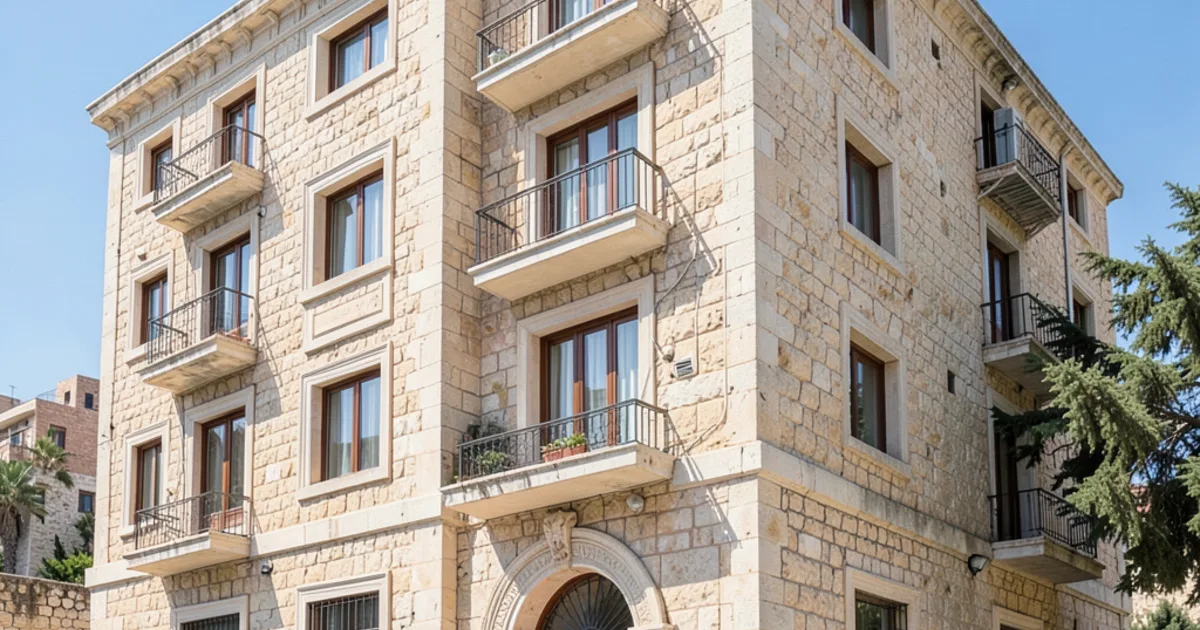
Ramat Beit Shemesh, often simply referred to as RBS, has emerged as a prominent destination for English-speaking Olim making Aliyah to Israel. This thoughtfully planned city, situated in the Judean Hills, offers a unique blend of modern amenities, a strong sense of community, and a spiritual atmosphere. For those considering a move, understanding the nuances of life in RBS is crucial for a smooth and successful integration into Israeli society.
Quick answer: Ramat Beit Shemesh is a planned neighborhood designed for international families, offering a mix of modern housing and community services. It provides a supportive environment with schools and amenities tailored to olim, making it a practical choice for those seeking a structured start in Israel.
- Understanding the Demographics and Community Fabric of Ramat Beit Shemesh
- Navigating the Educational Landscape for Olim Families
- Real Estate Market Dynamics: Buying and Renting in RBS
- Navigating Israeli Bureaucracy and Services for New Olim
- Employment Opportunities and Economic Landscape
- Transportation and Infrastructure: Getting Around RBS and Beyond
- Religious Life and Observance in Ramat Beit Shemesh
- Healthcare Services and Wellness in the Community
- Leisure, Culture, and Quality of Life in RBS
Understanding the Demographics and Community Fabric of Ramat Beit Shemesh
Ramat Beit Shemesh is characterized by its significant Anglo-Olim population, which has steadily grown over recent decades. This demographic concentration fosters a unique environment where English is widely spoken, and many institutions and services cater specifically to the needs of new immigrants. The city is broadly divided into various neighborhoods, each with its own distinct character, often reflecting different levels of religious observance and community preferences. This allows Olim to find a micro-community that aligns with their personal and family values, whether they seek a more religiously observant environment or a more diverse and integrated one.
The social fabric of RBS is rich and supportive, with numerous community organizations, shuls (synagogues), and informal networks designed to assist Olim in their acclimatization. These groups often organize events, classes, and support services, ranging from language assistance to practical guidance on navigating Israeli bureaucracy. Many Olim find this readily available support invaluable, as it helps mitigate the initial challenges of Aliyah and fosters a strong sense of belonging. The presence of a large Anglo population also means that cultural references and social norms are often more familiar to new arrivals than in other parts of Israel, easing the transition process considerably.
Navigating the Educational Landscape for Olim Families
For families with children, the educational system is often a primary consideration when choosing a new home. Ramat Beit Shemesh offers a diverse range of educational institutions, from nurseries and kindergartens to elementary and high schools, catering to various religious and educational approaches. Many schools have specific programs or tracks designed for Olim, acknowledging the linguistic and cultural adjustments children may face. This includes extra Hebrew language support (Ulpan for children) and a curriculum that balances religious studies with secular subjects.
Choosing the right school requires careful research and often involves visiting several institutions and speaking with school administrators and other Olim parents. Factors such as class size, teacher-student ratio, extracurricular activities, and the school's overall philosophy are important to consider. The strong network of Olim families in RBS often provides a valuable resource for sharing insights and recommendations regarding the local educational options, helping newcomers make informed decisions that best suit their children's needs and aspirations.
Real Estate Market Dynamics: Buying and Renting in RBS
The real estate market in Ramat Beit Shemesh is dynamic and has seen significant growth, driven by the steady influx of Olim and internal migration within Israel. Both purchasing and renting properties require an understanding of local market trends, property types, and the legal framework. Housing options range from apartments in multi-story buildings to semi-detached homes and detached villas, often with varying architectural styles and amenities. Newer neighborhoods tend to feature modern, well-appointed apartments, while older areas might offer properties with more character or larger plots of land.
When buying property in Israel, Olim will encounter terms such as 'Tabu' (land registration), 'Mas Rekhisha' (purchase tax), and 'Mashkanta' (mortgage). It is strongly advisable to engage the services of a reputable real estate agent who specializes in the RBS market and an experienced Israeli real estate lawyer. These professionals can guide you through the complexities of contracts, negotiations, and legal requirements, ensuring a smooth transaction. For renters, understanding typical lease agreements, security deposits (often referred to as 'arvut' or 'pikadon'), and tenant rights is equally important. Rental prices can vary significantly based on location, size, and property condition, so thorough research and potentially using a local rental agent are recommended.
Navigating Israeli Bureaucracy and Services for New Olim
One of the initial challenges for many Olim is navigating the Israeli bureaucratic system. Ramat Beit Shemesh, with its large Anglo population, often provides resources and services aimed at simplifying this process. This includes local branches of government ministries, banks, and utility companies that may have English-speaking staff or dedicated services for new immigrants. However, proficiency in Hebrew, even at a basic level, will significantly ease interactions and empower Olim to manage their affairs more independently.
Key areas of bureaucracy include opening a bank account, registering with Kupat Cholim (health funds), obtaining a driver's license, and understanding municipal taxes (Arnona). Many Olim find it beneficial to connect with established Olim who can offer practical advice and share their experiences. There are also numerous non-profit organizations and community groups in RBS that offer guidance and support for navigating these administrative hurdles, helping new arrivals integrate more efficiently into Israeli daily life.
Employment Opportunities and Economic Landscape
The employment landscape in Ramat Beit Shemesh, while growing, can present unique challenges and opportunities for Olim. Many English speakers find roles in education, high-tech (often commuting to nearby tech hubs like Jerusalem or Tel Aviv), healthcare, or in businesses that cater specifically to the Anglo community. Remote work has also become a more viable option for many, allowing them to maintain international employment while living in Israel. Networking within the community is often a crucial component of finding employment, as many opportunities are discovered through word-of-mouth or community forums.
For those seeking to start their own businesses, RBS offers a supportive environment with a strong consumer base. Understanding the local market, obtaining necessary licenses, and navigating Israeli tax regulations are essential steps. The city's strategic location, with relatively easy access to major cities, also opens up a broader range of employment possibilities for those willing to commute. It is advisable for prospective Olim to research their specific field's demand in Israel and potentially secure employment or develop a clear career strategy before making Aliyah.
Transportation and Infrastructure: Getting Around RBS and Beyond
Ramat Beit Shemesh boasts a developing infrastructure designed to accommodate its growing population. Public transportation within the city primarily consists of bus lines, connecting various neighborhoods to commercial centers, educational institutions, and the train station. The Beit Shemesh train station provides convenient access to major cities like Jerusalem and Tel Aviv, making commuting for work or leisure a feasible option for many residents. For those who prefer to drive, the city has a well-maintained road network, though traffic can be a consideration during peak hours.
The city continues to invest in infrastructure projects, including new roads, public parks, and community facilities, to keep pace with its expansion. Understanding the public transportation system, including purchasing a Rav-Kav card, is highly recommended for all Olim. While car ownership offers flexibility, the availability of public transport and the walkable nature of many neighborhoods can reduce the necessity for multiple vehicles per household, contributing to a more sustainable lifestyle.
Religious Life and Observance in Ramat Beit Shemesh
Ramat Beit Shemesh is renowned for its vibrant and diverse religious life, catering to a wide spectrum of Jewish observance. The city is home to numerous shuls (synagogues), often organized by specific communities, Nusach (liturgical traditions), or even country of origin, ensuring that Olim can find a spiritual home that resonates with them. Beyond prayer services, these shuls often serve as central hubs for community life, offering shiurim (Torah classes), social events, and support networks. The strong emphasis on religious values permeates many aspects of life in RBS, from the availability of kosher establishments to the observance of Shabbat and Jewish holidays.
For Olim, this rich religious environment can be a significant draw, providing a sense of continuity and belonging. Many find that the communal support for religious observance strengthens their own spiritual journey and helps their families integrate into a values-driven society. It is important for prospective residents to explore the various religious communities to find one that best fits their level of observance and communal preferences, as this will significantly impact their social integration and overall satisfaction with life in RBS.
Healthcare Services and Wellness in the Community
Access to quality healthcare is a fundamental concern for all residents, and Ramat Beit Shemesh provides comprehensive services through Israel's four main Kupot Cholim (health funds): Clalit, Maccabi, Leumit, and Meuhedet. Each Kupah has clinics and medical centers throughout the city, offering a range of services from general practitioners and specialists to pharmacies and diagnostic facilities. Olim are required to register with a Kupat Cholim upon making Aliyah, and it is advisable to research the benefits and services offered by each to choose the best fit for their family's needs.
Many doctors and medical professionals in RBS are English-speaking, which significantly eases communication for new Olim. Beyond standard medical care, the city also offers a variety of wellness services, including alternative therapies, gyms, and community health programs. Emergency services are readily available, and major hospitals are accessible in nearby cities. Understanding the Israeli healthcare system, including appointment scheduling and prescription processes, is an important step in ensuring seamless access to medical care.
Leisure, Culture, and Quality of Life in RBS
Beyond the practicalities of daily life, Ramat Beit Shemesh offers a growing array of leisure and cultural activities that contribute to a high quality of life. The city is developing numerous parks, playgrounds, and green spaces, providing opportunities for outdoor recreation and family enjoyment. Community centers often host a variety of classes, workshops, and events for all ages, from art and music to fitness and educational programs. The proximity to the Judean Hills also offers access to hiking trails and natural beauty, perfect for those who appreciate nature.
Culturally, the city benefits from its diverse population, leading to a rich tapestry of events and traditions. While not a major cultural hub in the same vein as Tel Aviv or Jerusalem, RBS does host local festivals, performances, and community gatherings that reflect its unique character. The strong emphasis on family and community means that social life often revolves around shabbat meals, holiday celebrations, and informal gatherings, fostering deep connections among residents. For Olim, this blend of community-focused leisure and access to natural beauty contributes to a balanced and fulfilling lifestyle.
Your questions, answered.
What are the typical challenges Olim face when moving to Ramat Beit Shemesh, and how are these addressed within the community?
Olim in Ramat Beit Shemesh often encounter challenges related to language barriers, navigating Israeli bureaucracy, and adapting to a new cultural environment. The community addresses these through extensive support networks, including numerous English-speaking shuls and community organizations that offer Ulpan classes, practical guidance on administrative tasks, and social integration programs. The high concentration of Anglo-Olim also means that many services and facilities are accustomed to assisting new immigrants, making the transition smoother than in other areas of Israel.
How does the cost of living in Ramat Beit Shemesh compare to other major cities in Israel for Olim?
The cost of living in Ramat Beit Shemesh generally falls in a mid-range compared to major Israeli cities like Tel Aviv or Jerusalem. While housing costs have seen significant increases, they can still be more accessible than in the most central urban areas. Daily expenses such as groceries, transportation, and utilities are broadly comparable to national averages, though specific consumption patterns and lifestyle choices will influence individual budgets. It's important for Olim to create a detailed budget, accounting for all potential expenses, and to research current market prices for housing and services.
What are the key considerations for Olim families regarding school choices and educational support in RBS?
For Olim families, key considerations for schooling in Ramat Beit Shemesh include the religious orientation of the school, the availability of English-speaking staff or support, and programs designed for new immigrant children (such as Hebrew language integration). Families should research different types of schools, state religious (Mamlachti Dati), independent (Chinuch Atzmai), or private, and visit potential institutions. Many schools offer specific tracks for Olim to help children adapt academically and socially, and community networks provide valuable insights and recommendations from experienced parents.
What kind of employment opportunities are most prevalent for English-speaking Olim in Ramat Beit Shemesh, or within commuting distance?
English-speaking Olim in Ramat Beit Shemesh often find employment in sectors such as education (teaching English or within Anglo-focused institutions), high-tech (with many commuting to Jerusalem or Tel Aviv), healthcare, and various service industries that cater to the large Anglo community. Opportunities also exist in remote work for international companies. Networking within the strong Anglo community is a significant advantage for job seekers, and many Olim also choose to establish their own businesses, leveraging the local consumer base.
Get your personalised shortlist
Listings and up-to-date info, straight to your inbox, free, no obligation.
See RBS homes →