How much does an apartment in RBS Alef cost and what extra fees to budget?
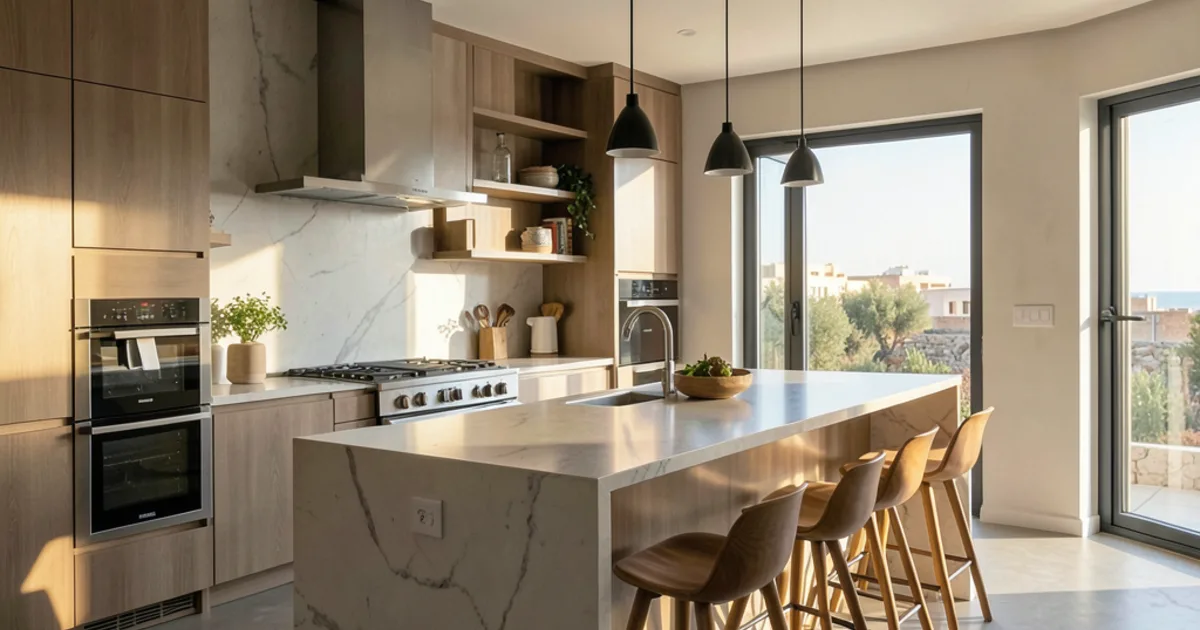
Ramat Beit Shemesh Alef stands as a premier residential destination for the Anglo community, offering a unique blend of established infrastructure and vibrant social life. However, for many prospective buyers, the journey from viewing a listing to holding the keys involves a complex web of financial obligations. Understanding the true cost of an apartment in RBS Alef requires looking far beyond the initial asking price. This guide breaks down the various components of the purchase, from taxes and mortgages to legal fees and ongoing maintenance, to help you budget with confidence.
- The Premium of RBS Alef: Understanding Market Dynamics
- Determining the Base Purchase Price: New vs. Resale
- Mastering Mas Rekhisha: The Purchase Tax
- The Financial Mechanics of Mashkanta (Mortgages)
- Legal Fees and the Binding Memorandum
- Understanding Land Registry and Tabu Registration
- Ongoing Costs: Arnona and Va'ad Bayit
- The Hidden Costs of Renovation and Upgrades
- Moving and Logistics in the Beit Shemesh Area
- Comparing Alef to Other RBS Neighborhoods
The Premium of RBS Alef: Understanding Market Dynamics
RBS Alef is widely considered the most prestigious and established neighborhood within the Ramat Beit Shemesh area. Its central location, proximity to major synagogues, and established educational institutions create a high demand that consistently influences property values. Unlike the newer developments in RBS Bet or Gimmel, Alef offers a sense of immediate community and convenience that many newcomers prioritize. This high level of desirability often results in a price premium compared to surrounding neighborhoods.
Several specific factors contribute to the varying price points you will encounter in this area. The size of the apartment, typically measured in square meters, is the most obvious metric, but the internal layout and functionality are equally vital. Apartments located on higher floors with views, or those situated near local parks and walking paths, often command higher valuations. Furthermore, the presence of modern amenities like an elevator or a dedicated parking space can significantly alter the market value of a unit.
The condition of the building and the specific street location also play a massive role in determining the final cost. An apartment in a well-maintained, older building in the heart of Alef may carry a different price profile than a brand-new construction project. Buyers should carefully evaluate whether the property is a standalone cottage, a multi-family home, or part of a larger apartment block. Each configuration offers unique lifestyle benefits and carries different long-term financial implications for the owner.
- Proximity to central synagogues and communal hubs
- Availability of elevator access in older buildings
- Square footage and internal layout efficiency
- Parking availability and dedicated storage units
Determining the Base Purchase Price: New vs. Resale
When entering the RBS Alef market, you will primarily encounter two distinct types of transactions: purchasing a new build or buying from a previous owner. New builds, often sold through pre-sale agreements, offer the advantage of modern layouts and the latest building technologies. However, these projects often require a significant waiting period and involve specific contractual complexities regarding completion dates. The price for a new build reflects the projected value of the finished product and the developer's margins.
Secondary market sales, commonly referred to as resale, allow for much faster move-in dates and immediate community integration. These properties are often located in the most established and sought-after streets of Alef, offering instant access to local amenities. However, buyers must be prepared for the possibility of older plumbing, electrical systems, or outdated interior aesthetics. The price for these homes is heavily influenced by current market sentiment and the specific motivations of the seller.
It is vital to understand that the 'sticker price' seen on a listing is merely the starting point for your financial planning. In the resale market, negotiation is a standard and expected part of the process and can lead to meaningful savings. In contrast, new developments may have more rigid pricing structures dictated by the developer and the project's initial projections. Regardless of the route you choose, your budget must account for the nuances inherent in each transaction type.
Mastering Mas Rekhisha: The Purchase Tax
One of the most significant and often misunderstood costs in Israeli real estate is the Mas Rekhisha, or purchase tax. This is a mandatory tax paid to the government upon the acquisition of real estate. The tax is calculated on a progressive scale, meaning the rate increases as the total value of the property rises. For many buyers, this tax can represent a substantial portion of their total acquisition budget and must be accounted for before making an offer.
The calculation of Mas Rekhisha depends heavily on your status as a buyer and the type of property being purchased. For example, there are different tax brackets for individuals versus couples, and specific rules apply if you are purchasing your only primary residence. The government provides certain thresholds and exemptions for first-time buyers to encourage homeownership, but these are subject to strict eligibility criteria. It is essential to determine your exact tax bracket early in the process to avoid unexpected shortfalls.
Navigating these tax tiers requires precision and an understanding of current Israeli tax law. Because the tax is tied to the total purchase price, even a small change in the negotiated price can shift you into a different tax bracket. This can sometimes create a situation where a lower purchase price actually results in a higher total cost due to the tax jump. Always consult with a professional or use official calculators to estimate your specific Mas Rekhisha liability.
- Progressive tax brackets based on property value
- Distinction between individual and couple tax rates
- Exemptions and benefits for first-time primary residents
- Impact of negotiated price on tax bracket shifts
The Financial Mechanics of Mashkanta (Mortgages)
For most residents moving to RBS Alef, securing a Mashkanta, or mortgage, is a central part of the purchase process. Israeli banks have specific criteria for lending, and they will look closely at your ability to repay the loan over time. The amount you can borrow is typically a percentage of the property's appraised value, not necessarily the purchase price. This means that if a property is purchased above its appraised value, you may need to cover the difference with additional cash.
Down payments are a critical component of the mortgage equation. Generally, buyers are expected to provide a significant percentage of the purchase price upfront. The higher your down payment, the more favorable your interest rates may be and the lower your monthly payments will feel. It is advisable to aim for a higher down payment than the minimum required to provide a financial buffer against future interest rate fluctuations or changes in your personal circumstances.
When choosing a mortgage, you must consider the different types of interest rates available: fixed, variable, or linked to inflation. Each option carries its own set of risks and benefits, and the right choice depends on your long-term financial strategy. Additionally, remember that a mortgage comes with mandatory insurance requirements, such as life and property insurance, which add to your monthly carrying costs. A well-structured mortgage is a tool, but it must be managed with careful foresight.
Legal Fees and the Binding Memorandum
Engaging a qualified Israeli real estate attorney is a fundamental necessity for any buyer in RBS Alef. The legal complexities of Israeli land law can be daunting for those accustomed to different regulatory systems. A lawyer's primary role is to conduct thorough due diligence on both the property and the seller. They ensure that the title is clear and that there are no hidden encumbrances, such as old liens or legal disputes, that could jeopardize your investment.
One of the most critical documents in the transaction is the binding memorandum, known in Hebrew as the Heskem. This document outlines all the terms and conditions of the sale, from the final price and closing date to the specific responsibilities of each party. It is the foundation upon which the entire transaction rests, and any ambiguity within this document can lead to costly and stressful disputes later. Your attorney will draft or review this document to ensure your interests are fully protected.
Beyond the memorandum, the attorney manages the complex process of transferring funds and ensuring that the registration is handled correctly. They act as the professional intermediary between the buyer, the seller, and the various municipal and land authorities. This professional oversight provides essential peace of mind, especially when dealing with large sums of money and intricate legal frameworks. Investing in high-quality legal counsel is a prudent step to secure your future home.
Understanding Land Registry and Tabu Registration
The Tabu, or the Israel Land Registry, is the ultimate authority regarding property ownership and legal rights in Israel. Before committing to a purchase in RBS Alef, it is imperative to verify the status of the property within the Tabu. This process confirms that the seller is indeed the legal owner and possesses the full authority to sell the property. It also reveals any existing mortgages, legal restrictions, or rights of way that might affect your use of the land.
Discrepancies between what is presented by a seller and what is recorded in the Tabu can lead to significant legal challenges. For instance, a property might be listed as being free of debt, yet the Tabu could show an outstanding mortgage from a previous owner. Similarly, there may be issues regarding the exact boundaries of the lot or the officially registered square footage. A thorough search of the registry is the only way to mitigate these risks effectively.
In some older parts of Beit Shemesh, you may encounter properties that are not yet fully registered in the Tabu, instead relying on other forms of ownership documentation. While this is not uncommon, it adds a layer of complexity and risk to the purchase process. In such instances, your legal advisor must perform extra due diligence to ensure the chain of ownership is unbroken and legally sound. Understanding the registry status is a cornerstone of responsible real estate acquisition.
Ongoing Costs: Arnona and Va'ad Bayit
Once you have successfully closed on your apartment in RBS Alef, your financial responsibilities shift from acquisition costs to ongoing maintenance. One of the most consistent expenses is the Arnona, which is the municipal property tax. This tax is used by the Beit Shemesh municipality to fund local services such as education, sanitation, and infrastructure. The rate of Arnona is typically based on the size of the property and its usage type, and it is billed periodically.
In addition to municipal taxes, residents of apartment buildings must pay the Va'ad Bayit, or building committee fees. These fees cover the maintenance of common areas, such as hallways, elevators, lighting, and landscaping. In many RBS Alef buildings, these costs can vary significantly depending on the level of service and the age of the building. Older buildings may require higher fees to cover the upkeep of aging infrastructure, while newer buildings might have more predictable costs.
It is wise to ask potential sellers for their recent history of Arnona and Va'ad Bayit payments during the viewing process. This provides a realistic view of the monthly carrying costs you will face. Budgeting for these recurring expenses is just as important as budgeting for the initial purchase. Failing to account for these ongoing costs can lead to unexpected strain on your monthly household budget.
- Arnona: Municipal tax based on property size
- Va'ad Bayit: Building maintenance and common area fees
- Potential for fee increases due to building repairs
- Importance of verifying historical payment records
The Hidden Costs of Renovation and Upgrades
Many buyers in RBS Alef look for properties with 'potential,' meaning they plan to renovate or modernize an older apartment. While this can increase the long-term value of your home, it also introduces a significant and often unpredictable expense. Renovation costs can escalate quickly due to the price of materials, specialized labor, and the discovery of unforeseen issues like outdated wiring or plumbing. It is essential to include a substantial contingency fund in your renovation budget.
When planning upgrades, you must also consider the legal and regulatory requirements of the municipality. Certain types of renovations, such as adding a room or changing the structural layout, may require official permits and approvals. Attempting renovations without the proper paperwork can lead to fines or even legal orders to revert the changes. Always consult with a professional contractor or architect who is familiar with local Beit Shemesh building codes.
Beyond the physical work, consider the 'soft costs' associated with upgrading your living space. This includes the cost of new furniture, appliances, and window treatments that may be necessary to match the new aesthetic. For those moving from abroad, these costs can accumulate rapidly. Viewing a renovation as a secondary phase of your purchase helps you maintain a realistic and holistic financial perspective.
Moving and Logistics in the Beit Shemesh Area
The physical act of moving into your new home in RBS Alef involves its own set of logistical and financial considerations. Moving companies in Israel offer various levels of service, from simple transport to full-service packing and unpacking. Given the often narrow streets and hilly terrain in parts of Beit Shemesh, choosing an experienced moving company is vital. A professional crew will help ensure that your belongings are handled safely and that the move proceeds efficiently.
You should also account for the costs of setting up essential services in your new residence. This includes transferring electricity, water, and gas accounts, as well as setting up internet and telecommunications. While these may seem like minor administrative tasks, they often involve connection fees or deposits that should be included in your moving budget. Being proactive with these arrangements can prevent delays in your settling-in process.
Finally, consider the timing of your move in relation to your current living situation. If there is a gap between your old lease ending and your new ownership beginning, you may need to budget for temporary accommodation. Coordinating these timelines effectively can save you both money and stress. Approaching the move as a planned project, rather than a last-minute scramble, will lead to a much smoother transition into the Alef community.
Comparing Alef to Other RBS Neighborhoods
To truly understand why an apartment in RBS Alef costs what it does, it is helpful to compare it to other neighborhoods like RBS Bet or Gimmel. Alef is generally characterized by its higher density of established Anglo-centric institutions and its more 'central' feel. This concentration of community resources creates a level of demand that is difficult to replicate in the newer, more spread-out neighborhoods. Consequently, you are often paying a premium for the convenience and social fabric of the area.
RBS Bet and Gimmel often offer more modern building designs and potentially more space for the same price point found in Alef. These neighborhoods are growing rapidly and offer a different lifestyle, often with more new construction and a slightly different demographic mix. However, they may lack the immediate walkability to certain synagogues or the established 'neighborhood feel' that Alef provides. The choice between these areas often comes down to a trade-off between cost, modernity, and community proximity.
Ultimately, the 'best' value is subjective and depends on your personal priorities and long-term goals. If your priority is being at the heart of the community and having everything within walking distance, the higher cost of Alef may be well worth the investment. If you prefer newer construction and perhaps more space for your budget, looking toward Bet or Gimmel might be more strategic. Understanding these nuances allows you to make an informed decision that aligns with your lifestyle.
FAQ
How much of a down payment should I prepare for an RBS Alef apartment?
While requirements vary based on your residency status and the bank, you should generally plan to have a significant portion of the purchase price available in cash. Many buyers find that having at least 25% of the value ready allows for more flexibility and better mortgage terms. Always confirm the specific LTV (Loan to Value) ratios with your mortgage provider early on.
Get your personalised shortlist
Listings and up-to-date info, straight to your inbox, free, no obligation.
See RBS homes →