Hidden costs of buying a home in Israel: Lawyer fees, taxes, and more
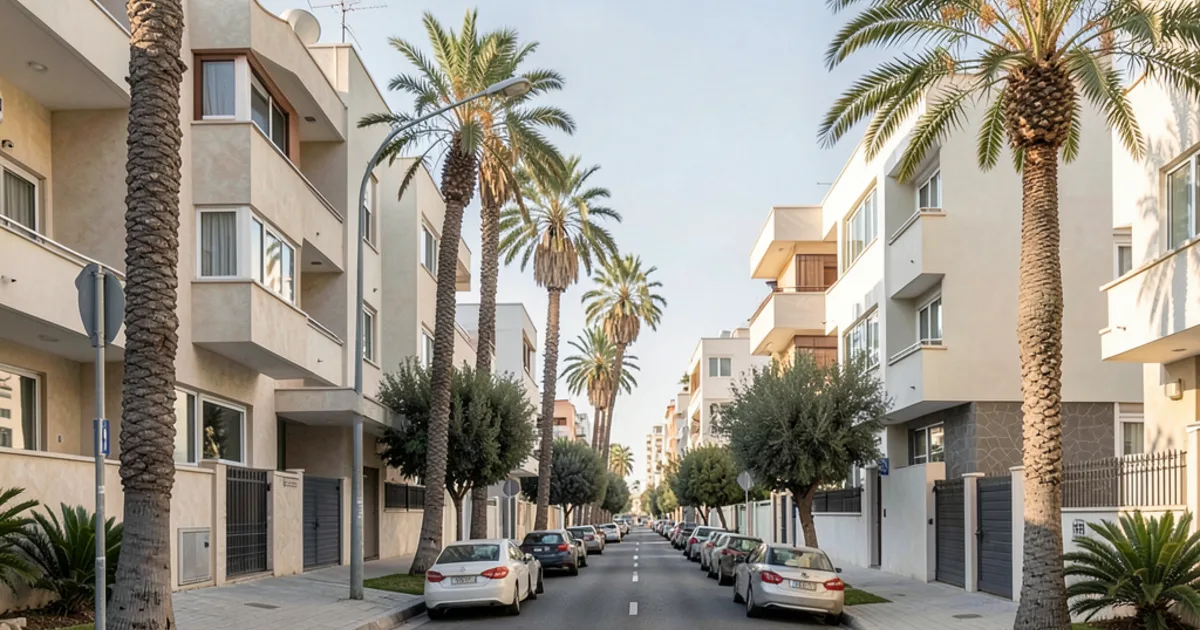
Purchasing property in Israel is a monumental milestone, whether you are eyeing a modern apartment in RBS Gimmel or a charming older home in RBS Alef. However, many buyers experience 'sticker shock' when they realize the final amount required to close the deal exceeds the negotiated purchase price. Navigating the Israeli real estate market requires more than just finding the right neighborhood; it requires a deep understanding of the various taxes, legal fees, and administrative costs that accompany every transaction. This guide aims to illuminate those often-overlooked expenses so you can approach your purchase with confidence and financial clarity.
- How does Purchase Tax (Mas Rekhisha) affect my total budget?
- Why is a real estate lawyer indispensable in the Israeli process?
- What should I expect regarding real estate agency commissions?
- What are the ancillary costs of securing a Mashkanta (mortgage)?
- Why is verifying the Tabu land registry so critical?
- What are the ongoing municipal costs like Arnona?
- How much should I budget for property inspections and physical repairs?
- What is the 'Va'ad Bayit' and how does it impact monthly expenses?
- What are the hidden costs of settling into a new community like RBS?
- How can I prepare a financial buffer for the closing process?
How does Purchase Tax (Mas Rekhisha) affect my total budget?
One of the most significant financial components of any Israeli real estate transaction is the Mas Rekhisha, commonly known as the purchase tax. This is not a flat fee, but rather a progressive tax that scales based on the total value of the property you are acquiring. Because the tax is tiered, the higher the property price, the higher the effective rate you will pay. It is essential to calculate this early in your budgeting process, as it can represent a substantial portion of your liquid capital.
The amount you owe under Mas Rekhisha depends heavily on your status as a buyer. The Israeli tax authorities distinguish between those purchasing a primary residence and those purchasing an investment property. If you are buying your first home, you may be eligible for certain thresholds or lower rates compared to someone purchasing a second home or a property intended for rental income. Failing to categorize your purchase correctly can lead to unexpected tax bills or even legal complications with the tax authorities.
It is also important to understand that this tax is typically paid at the time of the transaction or shortly thereafter, depending on the specific circumstances of the deal. This is a non-negotiable expense that must be factored into your initial cash-on-hand calculations. Many buyers mistakenly assume the seller covers this, but in standard Israeli practice, the buyer is responsible for the Mas Rekhisha. Always confirm the tax implications with a professional before signing any binding agreements.
To better understand how this tax impacts your specific situation, consider the following factors:
- The total purchase price of the property.
- Whether the property is your only primary residence in Israel.
- The classification of the property (residential vs. commercial).
- Any existing tax exemptions or thresholds currently in effect.
Why is a real estate lawyer indispensable in the Israeli process?
In the Israeli real estate market, attempting to complete a transaction without professional legal representation is a high-risk strategy. A specialized real estate lawyer does much more than just witness a signature; they are responsible for the legal integrity of the entire process. From the moment you begin negotiations, a lawyer ensures that the 'Heskem', the binding memorandum, is drafted to protect your specific interests and outlines all necessary contingencies.
The lawyer's role includes performing critical due diligence on the property's legal status. They will investigate whether there are any undisclosed liens, existing mortgages, or legal disputes attached to the title. Without this scrutiny, you could inadvertently inherit a legal nightmare that prevents you from properly registering the home in your name. They act as the shield between your capital and the potential legal pitfalls of the seller's history.
Furthermore, the lawyer manages the complex mechanics of the closing process. This includes coordinating with the Tabu land registry to ensure the transfer of ownership is recorded correctly. They also handle the escrow arrangements, ensuring that funds are only released to the seller once all legal conditions and obligations have been met. This layer of protection is worth every shekel of the professional fee you pay.
When selecting a legal professional, keep these responsibilities in mind:
- Drafting and negotiating the binding memorandum (Heskem).
- Verifying the property's status in the Tabu land registry.
- Ensuring all previous mortgages or liens are cleared.
- Managing the secure transfer of funds during the closing stages.
What should I expect regarding real estate agency commissions?
Real estate agencies play a pivotal role in connecting buyers with properties in areas like Beit Shemesh, but their services come at a cost. In Israel, it is standard practice for the buyer or the seller to pay a commission to the agency that facilitated the deal. While the specific arrangement can vary based on the agreement made at the start of the search, you should always assume that an agency fee is part of the transaction's total cost.
These commissions are typically calculated as a percentage of the final sale price. While the exact percentage is subject to negotiation and local market customs, it is a significant figure that can add many thousands to your closing costs. It is vital to clarify who is responsible for paying the commission, the buyer or the seller, before you enter into any formal negotiations. Misunderstandings in this area can lead to friction during the final stages of the deal.
It is also worth noting that agency fees are generally paid upon the successful execution of the sale, often at the time of signing the binding memorandum or upon the final transfer. Because this is a transaction-based fee, it is not a recurring cost, but it must be accounted for in your initial liquidity planning. Budgeting for this expense ensures that you aren't caught off guard when the agency presents their invoice.
When dealing with an agency, always clarify the following points:
- Whether the fee is a percentage of the purchase price.
- Which party (buyer or seller) is legally responsible for the payment.
- The exact timing of when the commission becomes due.
- Whether the fee is inclusive of VAT (Value Added Tax).
What are the ancillary costs of securing a Mashkanta (mortgage)?
For most buyers, a Mashkanta, or mortgage, is a necessary tool to bridge the gap between their savings and the property price. However, the cost of a mortgage extends far beyond the interest rate. There are several administrative and mandatory fees charged by the bank and third-party providers that can accumulate into a notable sum. You must look at the 'total cost of credit' rather than just the monthly repayment amount.
One of the first costs you will encounter is the fee for a professional property appraisal, known as a 'Shama.' The bank requires an independent appraiser to visit the property and verify its value to ensure the collateral is sufficient. This is a required step in the mortgage approval process and involves a professional service fee. Without a favorable appraisal, the bank may reduce the loan amount, forcing you to find more cash upfront.
Additionally, mortgage insurance is a mandatory requirement in Israel. You will be required to hold both life insurance and property insurance to protect the bank's interest in the collateral. These premiums are ongoing costs that will affect your monthly budget for the duration of the loan. Furthermore, banks often charge administrative fees for processing the mortgage, setting up the lien, and managing the account, all of which should be factored into your financial planning.
Common mortgage-related expenses include:
- Professional property appraisal fees (Shama).
- Mandatory life and property insurance premiums.
- Bank administrative and processing fees.
- Legal fees for registering the mortgage lien.
Why is verifying the Tabu land registry so critical?
The Tabu is the official land registry in Israel, and it serves as the definitive record of property ownership and encumbrances. Before you commit any significant funds, it is absolutely essential to verify that the property is correctly registered in the Tabu. A property that is not properly registered can present immense challenges, ranging from difficulties in obtaining a mortgage to outright inability to legally transfer the title to your name.
Verifying the Tabu allows you to see if there are any existing mortgages, legal restrictions, or 'rights of way' that could affect your use of the property. For instance, a property might have an old, unrecorded lien that could complicate your ownership. Your lawyer will typically handle this investigation, but as a buyer, you must understand the importance of this step. It is the primary way to ensure that what you are buying is legally what the seller claims it to be.
In some cases, particularly in older parts of Beit Shemesh or in areas with complex historical land divisions, a property might not be in the Tabu but instead registered in a different system, such as a municipal registry or a different land authority. While these can be legitimate, they add layers of complexity and potential cost to the transaction. Always insist on a clear, verified path to Tabu registration to ensure long-term security for your investment.
When reviewing property status, look for these indicators:
- Confirmation of the seller's sole ownership rights.
- Presence of any existing bank mortgages or liens.
- Any legal restrictions or easements on the land.
- The specific registry system the property is currently under.
What are the ongoing municipal costs like Arnona?
Once you have successfully closed on your home, your financial responsibilities shift from transaction costs to ongoing ownership costs. The most prominent of these is Arnona, the municipal property tax. Unlike some countries where property tax is based on the value of the home, Arnona in Israel is generally calculated based on the size of the property (square meters) and its location within the municipality.
Arnona is a mandatory monthly or quarterly payment that funds local services such as garbage collection, street lighting, sewage, and local infrastructure. The rate can vary significantly depending on whether the property is zoned as residential, commercial, or mixed-use. If you are purchasing a property that includes a small commercial space or a home office, your Arnona rate may be higher than that of a standard residential unit.
It is also important to realize that Arnona is a continuous obligation. Even if the property is vacant, the tax remains due. When budgeting for your new life in a community like RBS, you should contact the local municipality (Iriya) to get an estimate of the Arnona for the specific building or neighborhood you are considering. This ensures that your monthly cash flow can comfortably accommodate these essential municipal expenses.
Factors that influence your Arnona include:
- The total living area of the property in square meters.
- The specific municipal zone and neighborhood.
- The usage type (residential vs. business).
- Any applicable municipal discounts or exemptions.
How much should I budget for property inspections and physical repairs?
The physical condition of a property can be a major source of 'hidden' costs. Many buyers make the mistake of assuming the house is move-in ready, only to discover significant issues after the keys are handed over. Whether you are looking at a brand-new development in RBS Gimmel or a renovated apartment in RBS Alef, a professional property inspection is a vital investment that can save you from massive future expenses.
A professional inspector will look for structural issues, plumbing leaks, electrical faults, and signs of moisture or mold. In older neighborhoods, these issues are more common and can be quite costly to remediate. The cost of the inspection itself is relatively small compared to the potential cost of an unaddressed structural crack or a failing electrical system. You should always treat the inspection fee as a necessary part of your due diligence.
Furthermore, you must account for the 'renovation reality.' Even if a home looks beautiful in photos, you may find that the layout doesn't suit your needs, or the finishes are outdated. Budgeting for immediate repairs, painting, or minor upgrades is a wise move. If you are buying an older home, it is highly recommended to set aside a contingency fund specifically for the inevitable surprises that come with older Israeli construction.
Key areas to inspect include:
- Plumbing and water pressure systems.
- Electrical wiring and circuit breaker integrity.
- Structural stability and wall/ceiling conditions.
- Window seals and insulation quality.
What is the 'Va'ad Bayit' and how does it impact monthly expenses?
If you are purchasing an apartment in a multi-unit building, you will be required to pay into the 'Va'ad Bayit,' or the building committee fund. This is essentially a homeowners' association fee that covers the shared expenses of maintaining the common areas of the property. These costs are shared among all residents and are necessary for the upkeep and functionality of the building.
The Va'ad Bayit covers a wide range of services, including cleaning the hallways, maintaining the elevators, lighting the common areas, and sometimes even providing security or gardening services. In larger or more modern buildings in Beit Shemesh, these fees can be quite significant, especially if the building features luxury amenities like a gym, a gated entrance, or a swimming pool. You should ask the seller for the current monthly Va'ad amount before making an offer.
It is also important to note that the Va'ad Bayit can fluctuate. If the building requires a major repair, such as fixing a roof or repainting the exterior, the committee may vote to implement a 'special assessment' or a one-time extra payment from all residents. This can create an unexpected spike in your monthly expenses, so it is prudent to maintain a small buffer in your household budget to handle these communal maintenance needs.
Common Va'ad Bayit expenses involve:
- Elevator maintenance and electricity.
- Cleaning of common hallways and entrances.
- Waste management and garbage collection.
- Building security and landscaping.
What are the hidden costs of settling into a new community like RBS?
The process of moving into a new community involves more than just transporting boxes from one location to another. For many Anglo families moving to the Beit Shemesh area, there are unique cultural and logistical costs associated with settling in. These 'soft costs' are often overlooked during the real estate negotiation phase but can impact your total initial outlay significantly.
For example, if you are moving from abroad, you may need to account for the costs of integration, such as Ulpan (Hebrew language studies) or professional relocation services. Additionally, the transition often involves significant spending on new furniture, kitchen appliances, and perhaps even minor renovations to make the home feel more comfortable for your family. These costs are highly variable but can add up quickly in the first six months of residency.
Furthermore, consider the logistical costs of moving within Israel. Professional moving companies in the region charge based on volume and distance, and you may need to pay for specialized services to move heavy items or delicate electronics. By acknowledging these settling-in costs early, you can ensure that your transition to the RBS community is as smooth and stress-free as possible.
Consider these settling-in expenses:
- Professional moving and logistics services.
- Initial home furnishing and appliance upgrades.
- Language training and integration courses.
- Immediate minor home improvements or decor.
How can I prepare a financial buffer for the closing process?
The most effective way to avoid the stress of hidden costs is to prepare a dedicated financial buffer. A common mistake is to use every available shekel for the down payment and the purchase price, leaving nothing for the inevitable secondary expenses. A well-prepared buyer should aim to have a surplus of liquid funds that can cover all the taxes, legal fees, and agency commissions discussed in this guide.
This buffer should ideally cover at least a percentage of the total property value to account for any unforeseen circumstances. This might include a sudden increase in a tax rate, an unexpected legal requirement, or a necessary immediate repair discovered during the inspection. Having this 'cushion' prevents you from having to take out high-interest short-term loans or delaying your move due to a lack of funds.
As you approach the closing date, maintain a clear spreadsheet of every anticipated expense. Categorize them into 'known' costs (like the purchase price and estimated Mas Rekhisha) and 'variable' costs (like lawyer fees or moving expenses). This organized approach allows you to see exactly how much liquidity you need and provides peace of mind as you move through the final, most critical stages of the transaction.
A robust financial buffer should account for:
- Variable legal and administrative fees.
- Estimated purchase and transfer taxes.
- Contingency funds for immediate property repairs.
- Initial settling-in and moving expenses.
FAQ
How much extra money should I set aside beyond the purchase price?
While it varies, you should generally prepare for additional costs that could total a significant percentage of the property's value. This should cover taxes, legal fees, agency commissions, and mortgage-related expenses.
Is it mandatory to hire a lawyer for a property purchase in Israel?
While not strictly required by law, it is highly recommended and considered a standard necessity in the Israeli market. A lawyer protects your interests in the binding memorandum and verifies the property's legal status in the Tabu.
What is the difference between Mas Rekhisha and Arnona?
Mas Rekhisha is a one-time purchase tax paid to the state during the transaction itself. Arnona is a recurring municipal tax paid to the local municipality for ongoing services like garbage and lighting.
Can I negotiate the real estate agency commission?
In many cases, agency fees are negotiable, especially if you are working with a specific agent or if the market conditions are favorable. However, you should always clarify the fee structure and who is responsible for payment before starting your search.
Get your personalised shortlist
Listings and up-to-date info, straight to your inbox, free, no obligation.
See RBS homes →