Comparing apartment prices in RBS Alef vs RBS Bet: A detailed breakdown
Navigating the real estate market in Ramat Beit Shemesh requires more than just looking at a listing; it requires a deep understanding of how different neighborhoods function. For many English-speaking families, the choice often boils down to the established prestige of RBS Alef versus the growing opportunities in RBS Bet. This guide provides a comprehensive breakdown of the price dynamics, community influences, and financial realities to help you make an informed decision.
- What is the general real estate landscape in Ramat Beit Shemesh?
- Why does RBS Alef command a premium price point?
- What are the advantages of the price points in RBS Bet?
- How does location and proximity drive local pricing?
- How does the age of a building impact your budget?
- What financial terms and taxes must every buyer understand?
- What are the recurring costs of owning a home in RBS?
- How do investment potential and capital gains differ?
- How does social infrastructure influence property demand?
- What are the essential legal steps in the buying process?
- Which neighborhood is right for your budget and lifestyle?
What is the general real estate landscape in Ramat Beit Shemesh?
Ramat Beit Shemesh has transformed from a collection of small outposts into a massive, thriving urban center that serves as a primary destination for the Anglo community. The real estate market here is characterized by high demand and a constant search for suitable housing that meets specific religious and communal needs. Because the population is growing so rapidly, the market remains dynamic, with various neighborhoods offering different levels of maturity and infrastructure.
When examining the market, it is helpful to view the different sectors as distinct ecosystems. Some areas are highly established, offering a sense of permanence and immediate access to all necessary services, while others are in a state of active development. This distinction is the primary driver of property values across the city, as buyers weigh the benefits of immediate community against the potential for future growth.
The market is also heavily influenced by the specific needs of the English-speaking demographic. This includes the requirement for proximity to synagogues, kosher infrastructure, and robust educational networks. Consequently, real estate pricing is not just about square footage, but about how well a property integrates into the social fabric of the neighborhood.
- High demand driven by the Anglo immigrant population.
- A diverse range of neighborhoods from established to developing.
- Pricing heavily influenced by communal and religious infrastructure.
Why does RBS Alef command a premium price point?
RBS Alef is widely recognized as the 'gold standard' of the area, and its pricing reflects this status. As one of the earliest planned expansions for the English-speaking community, it has had decades to develop a deep and complex social infrastructure. This maturity creates a high barrier to entry, as the neighborhood is often seen as the heart of the Anglo community, making available inventory highly sought after.
The scarcity of new land in Alef means that much of the available housing is found in existing buildings. This limited supply, coupled with a constant influx of new residents seeking the established lifestyle, naturally pushes prices upward. Buyers are often willing to pay a significant premium for the convenience of living in a neighborhood where the schools, shops, and synagogues are already fully operational and integrated.
Furthermore, the prestige associated with Alef can influence the perceived value of a property. For many, living in Alef is a milestone, and this psychological factor is reflected in the market. The neighborhood offers a level of stability and a proven track record of community strength that newer areas are still working to establish.
- High demand due to established community roots.
- Limited supply of new construction driving up costs.
- Premium placed on immediate access to mature infrastructure.
What are the advantages of the price points in RBS Bet?
RBS Bet offers a different economic proposition, often providing a more accessible entry point for families and individuals. While Alef is characterized by its maturity, Bet is often characterized by its growth and its more modern residential offerings. This allows buyers to find properties that may offer more contemporary amenities and larger layouts for a lower overall cost compared to the prime locations in Alef.
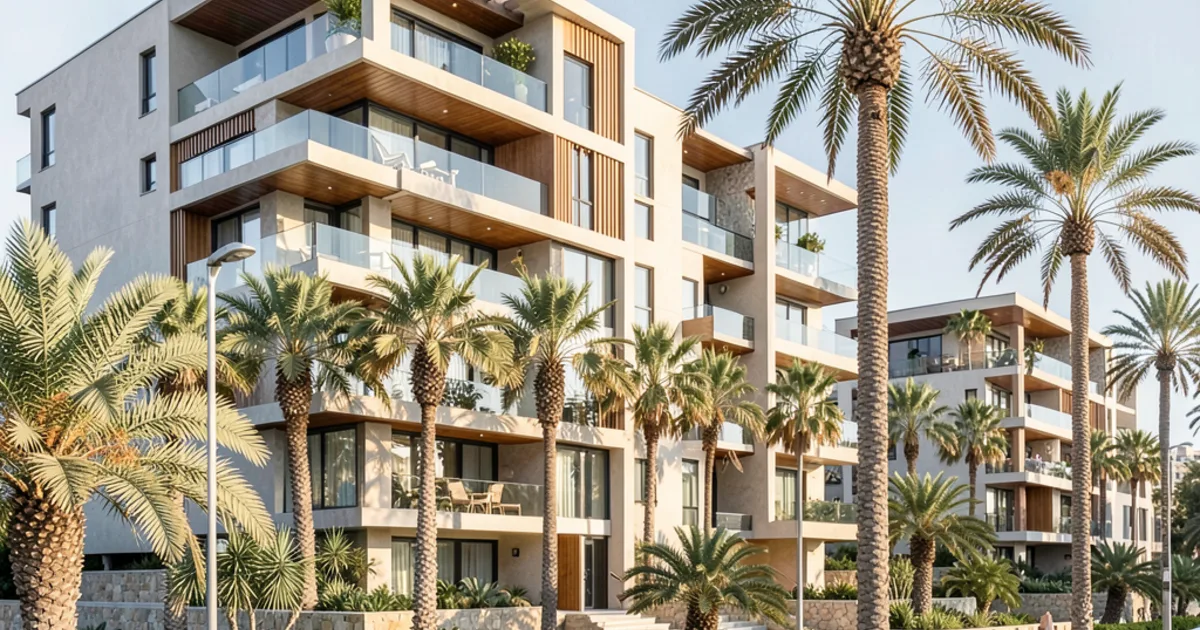
The newer developments in Bet often feature modern building standards, including better parking solutions, more efficient layouts, and updated elevator systems. For many buyers, the ability to purchase a newer home with less immediate need for renovation is a significant financial advantage. This makes Bet an attractive option for those who want a modern lifestyle without the heavy price tag of the older, more central neighborhoods.
Additionally, the expanding nature of Bet means that there is more variety in the types of properties available. From smaller apartments suitable for young couples to larger units for growing families, the diversity of the housing stock allows for more flexible budgeting. As the neighborhood continues to develop its own unique character and infrastructure, the value proposition of Bet remains a strong alternative to the more expensive sectors.
- More accessible entry points for budget-conscious buyers.
- Greater availability of modern, newer construction.
- A wider variety of property types and layouts.
How does location and proximity drive local pricing?
In both Alef and Bet, location is the single most important factor in determining the final sale price of an apartment. Within a single neighborhood, two identical apartments can have vastly different values based on their proximity to key communal hubs. A property located within walking distance of a major synagogue or a central shopping area will almost always command a higher price than one tucked away in a quiet, peripheral street.
Proximity to schools is another critical driver. For families with children, the convenience of a short walk to a local school or a community center adds immense value to a home. In the competitive real estate market of Beit Shemesh, being situated in the 'sweet spot' between residential quietude and communal accessibility is a luxury that buyers are willing to pay for.
Public transport and shuttle routes also play a role in local pricing. Even in areas where most residents rely on private vehicles, the presence of reliable transport links to other parts of the city or to Jerusalem can increase a property's desirability. This is particularly true for younger residents or those who prioritize connectivity to the broader metropolitan area.
- Walking distance to synagogues and shops adds a premium.
- Proximity to schools is a primary driver for family buyers.
- Accessibility to transport links influences local desirability.
How does the age of a building impact your budget?
When comparing Alef and Bet, the age of the building is a major variable that dictates both the purchase price and the long-term maintenance costs. In Alef, you will find many well-maintained but older buildings that offer character and established surroundings. These properties might be priced competitively for their location, but they often require a closer look at their mechanical systems and structural integrity.
In contrast, Bet features a higher concentration of relatively new builds. While the purchase price for a new apartment in Bet might be higher than an older one in Alef, the 'hidden' costs of ownership may be lower. Newer buildings typically come with more modern electrical, plumbing, and heating systems, which can reduce the need for immediate, expensive repairs after moving in.
Buyers must also consider the 'Va'ad Bayit' or building maintenance fees. Older buildings in Alef might have lower monthly fees if they have fewer amenities, but they may also face unexpected assessments for major repairs like roof work or elevator upgrades. Newer buildings in Bet may have higher monthly fees due to more complex facilities, but these costs are often more predictable.
- Older buildings in Alef may offer character but require inspection.
- Newer builds in Bet offer modern systems and predictability.
- Maintenance fees (Va'ad Bayit) vary significantly by building age.
What financial terms and taxes must every buyer understand?
Purchasing real estate in Israel involves several specific financial layers that can significantly alter your total budget. The most immediate cost to consider is the Mas Rekhisha, or purchase tax. The amount of this tax depends on several factors, including whether the property is your only residence and the total purchase price. It is vital to calculate this early in your planning process to avoid surprises.
When securing a Mashkanta, or mortgage, buyers should work closely with a financial advisor to understand how interest rates and loan terms will impact their long-term affordability. The availability of credit and the terms offered by various banks can vary, and having a clear picture of your borrowing capacity is essential before you begin viewing properties. A well-structured mortgage is the foundation of a successful purchase.
Furthermore, all transactions must be properly recorded in the Tabu, the Israeli land registry. Ensuring that the property is clearly registered and that there are no liens or encumbrances on the title is a critical step in the due diligence process. This is why engaging a local lawyer to handle the transfer of ownership and the drafting of the binding memorandum is not just recommended, but necessary for a secure transaction.
- Mas Rekhisha (Purchase Tax) must be factored into the total cost.
- Mashkanta (Mortgage) planning is essential for long-term stability.
- Tabu (Land Registry) verification is a mandatory step for security.
What are the recurring costs of owning a home in RBS?
Beyond the initial purchase price and taxes, homeowners must budget for ongoing municipal and building-related expenses. The most prominent of these is the Arnona, the local property tax paid to the municipality. Arnona rates can vary based on the size of the apartment, its usage (residential vs. commercial), and even the specific zone within the city. It is important to ask for an estimate of the Arnona for any property you are considering.
Building maintenance fees, known as Va'ad Bayit, are another recurring cost. These fees cover the upkeep of common areas, such as hallways, elevators, lighting, and cleaning services. In newer neighborhoods like parts of Bet, these fees might be higher due to more sophisticated building management systems or additional amenities like underground parking or landscaped gardens.
It is also wise to account for utility costs and any potential special assessments. While water and electricity are standard, some buildings may have additional costs related to communal services. Having a clear understanding of these monthly outflows will give you a much more accurate picture of the actual cost of living in your chosen neighborhood.
- Arnona (Municipal Tax) varies by size and location.
- Va'ad Bayit (Maintenance Fees) covers common area upkeep.
- Budget for utilities and potential special building assessments.
How do investment potential and capital gains differ?
For those looking at real estate as a vehicle for wealth, the distinction between Alef and Bet becomes even more pronounced. RBS Alef, due to its established nature and limited supply, is often viewed as a stable, lower-risk environment. While the rapid appreciation seen in developing areas might be less dramatic, the inherent scarcity of land in Alef provides a strong foundation for long-term value retention.
RBS Bet may offer higher growth potential in terms of percentage gains. As the neighborhood matures and its infrastructure improves, the value of properties can rise significantly. This 'growth play' is attractive to investors who are willing to accept the slightly higher uncertainty that comes with a developing area in exchange for the possibility of greater capital appreciation.
When it comes to selling, buyers must be aware of Mas Shevah, or capital gains tax. This tax is applied to the profit made from the sale of a property. Understanding how this tax affects your net return is crucial, especially if you are planning to use the property as an investment rather than a primary residence. Consulting with a professional can help you navigate the complexities of tax implications upon exit.
- Alef is often seen as a stable, low-risk value holder.
- Bet may offer higher potential for capital appreciation.
- Mas Shevah (Capital Gains Tax) must be considered for investment returns.
How does social infrastructure influence property demand?
The unique demographic makeup of Ramat Beit Shemesh means that social infrastructure is a primary driver of real estate demand. The presence of a strong religious school network, ranging from Ulpan programs for new immigrants to prestigious high schools, creates a ripple effect on property prices. Neighborhoods that are central to these educational hubs naturally see higher demand from families.
This demand is not limited to schools; it extends to the entire communal ecosystem. Synagogues, community centers, and even the local kosher grocery stores act as anchors for the neighborhood. When a community feels cohesive and well-supported, the desirability of living there increases, which in turn supports higher property values. This is a key reason why Alef remains so highly priced.
In newer areas like Bet, the development of this social fabric is an ongoing process. As more families move in and more institutions are established, the 'social value' of the neighborhood increases. For a buyer, this means there is an opportunity to enter a neighborhood while its communal identity is still being shaped, potentially capturing the value that comes with that growth.
- Educational networks (from Ulpan to High School) drive demand.
- Communal anchors like synagogues increase neighborhood desirability.
- Social cohesion is a direct contributor to property value.
What are the essential legal steps in the buying process?
The process of purchasing property in Israel is formal and requires several key professionals to ensure everything is handled correctly. Once you have identified a property, the first major step is the negotiation of terms, which culminates in the signing of a binding memorandum. This document outlines the price, the closing date, and all other critical conditions of the sale.
It is essential to engage a qualified lawyer early in the process. A lawyer will conduct a thorough review of the property's legal status, ensuring that the title is clear in the Tabu and that there are no hidden legal issues that could jeopardize your investment. They will also handle the complex paperwork required to transfer the property and manage the escrow processes if necessary.
A notary may also be required for certain aspects of the transaction, such as certifying signatures or handling specific legal documents. While the lawyer manages the overall transaction, the notary provides an additional layer of official verification. Following these formal steps meticulously is the only way to ensure that your transition into the RBS community is secure and legally sound.
- Negotiation leads to a formal, binding memorandum.
- A lawyer is vital for title searches and contract management.
- A notary may be required for specific legal verifications.
Which neighborhood is right for your budget and lifestyle?
Ultimately, choosing between RBS Alef and RBS Bet is a balance between your financial reality and your lifestyle priorities. If your priority is immediate community integration, proximity to established institutions, and the prestige of a proven neighborhood, Alef is likely your best fit, provided your budget allows for the premium entry price. It is a choice for those who value stability and immediate convenience.
If you are looking for more modern amenities, larger living spaces, or a more flexible entry point into the market, RBS Bet offers significant advantages. It is an ideal choice for families who are willing to grow alongside a developing neighborhood and for those who want to maximize their purchasing power. Bet provides a sense of opportunity and a path to modern living that is often more cost-effective.
We recommend creating a detailed budget that includes not just the purchase price, but also Mas Rekhisha, Mashkanta costs, Arnona, and Va'ad Bayit. By looking at the total cost of ownership and the long-term lifestyle implications, you can move forward with confidence. Whether you choose the established streets of Alef or the growing avenues of Bet, both offer unique and rewarding ways to call Ramat Beit Shemesh home.
- Alef: Best for established community and immediate convenience.
- Bet: Best for modern amenities and budget flexibility.
- Always calculate the total cost of ownership, not just the sticker price.
FAQ
Is RBS Alef significantly more expensive than RBS Bet?
Generally, RBS Alef commands a higher price point due to its established infrastructure and limited supply. While the exact gap varies depending on the size and condition of the apartment, Alef is widely considered the more premium neighborhood.
Can I find newer apartments in RBS Alef?
Newer apartments in Alef are quite rare and often command extremely high prices due to the scarcity of land. Most of the inventory in Alef consists of well-maintained but older buildings, whereas newer construction is more common in RBS Bet.
What is the role of the Tabu in a property transaction?
The Tabu is the official Israeli land registry that records ownership and any legal encumbrances on a property. Verifying the status of a property in the Tabu is a critical step in ensuring that the seller actually has the right to sell the home.
Get your personalised shortlist
Listings and up-to-date info, straight to your inbox, free, no obligation.
See RBS homes →