Can a foreign investor purchase land in Ramat Beit Shemesh, and what are the regulations?
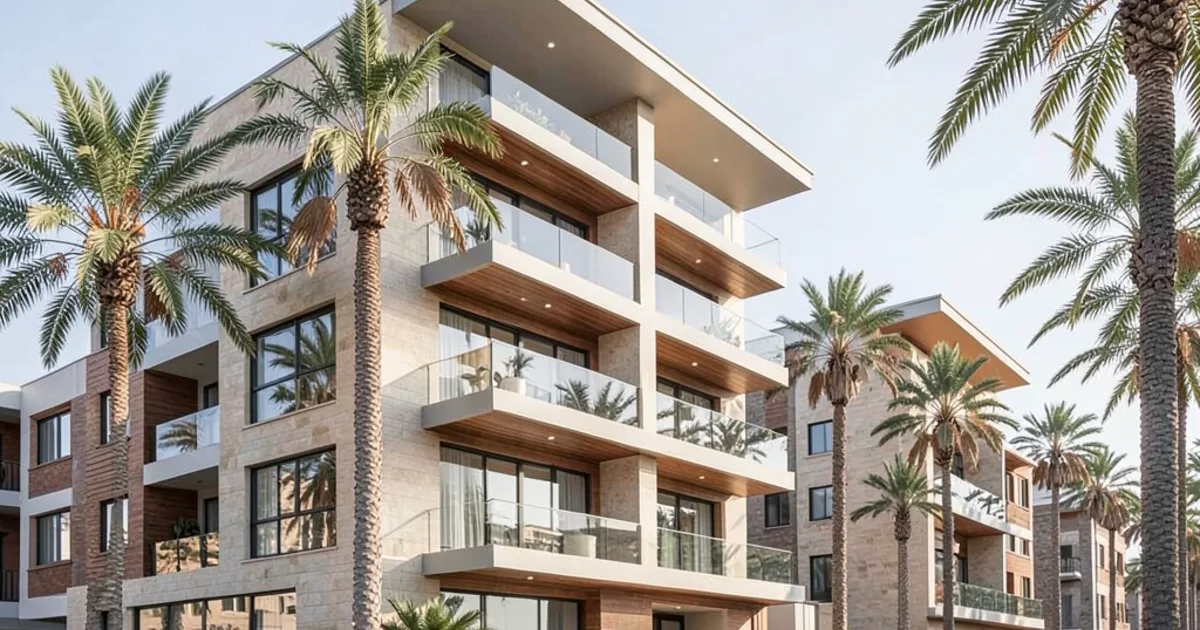
Ramat Beit Shemesh, affectionately known as the 'Anglo heartland' of Israel, has long captured the imagination of foreign investors seeking a blend of community, culture, and opportunity. The prospect of owning a piece of this vibrant city, whether for residential development, long-term investment, or future personal use, is highly appealing. However, for those unfamiliar with Israeli real estate law, the process of purchasing land as a non-resident can seem daunting. This comprehensive guide from RBSRealEstate aims to demystify the regulations, clarify the procedures, and provide actionable insights for foreign investors looking to acquire land in Ramat Beit Shemesh.
- Is Land Ownership by Foreigners Permitted in Israel?
- Defining 'Foreign Investor' in the Israeli Real Estate Context
- Key Legal Steps for Land Acquisition in Ramat Beit Shemesh
- Understanding the Role of the Tabu (Land Registry)
- Navigating Israeli Taxation for Foreign Land Owners
- Mortgage Options (Mashkanta) for Non-Residents
- Zoning and Development Regulations in Ramat Beit Shemesh
- Choosing the Right Area: RBS Alef, Bet, Gimmel, or Old Beit Shemesh
- The Importance of Local Legal and Professional Representation
- Due Diligence: Beyond the Tabu for Land Purchases
- Practical Advice for Foreign Buyers in Ramat Beit Shemesh
Is Land Ownership by Foreigners Permitted in Israel?
Yes, generally speaking, foreign nationals are permitted to purchase and own land in Israel. Unlike some countries with strict limitations on foreign ownership, Israel's legal framework is relatively open, albeit with certain nuances that must be understood. The core principle allows for direct acquisition, granting the foreign investor the same rights and responsibilities as an Israeli citizen in terms of property ownership.
However, the nature of the land itself can sometimes introduce complexities. A significant portion of land in Israel, including in areas like Ramat Beit Shemesh, is administered by the Israel Land Authority (ILA), which manages state-owned land. While outright purchase of ILA land by foreigners is usually permitted, the terms might differ slightly from privately owned parcels.
It is crucial to distinguish between purchasing a developed property (an apartment or a house) and raw land. While the former is a more straightforward transaction, raw land often comes with additional considerations such such as zoning, development rights, and infrastructure status. These factors are equally relevant for both local and foreign investors, but foreign investors may benefit from additional due diligence due to their unfamiliarity with local planning processes.
Ultimately, the answer is a resounding yes, but with the caveat that understanding the specific type of land and its administrative status is paramount. Engaging with experienced local real estate professionals, such as those at RBSRealEstate, is invaluable to navigate these distinctions effectively and ensure a smooth transaction.
Defining 'Foreign Investor' in the Israeli Real Estate Context
For the purpose of Israeli real estate law and taxation, a 'foreign investor' typically refers to an individual who is not an Israeli citizen or a resident for tax purposes. This distinction is crucial because it influences various aspects of the transaction, particularly regarding taxation and reporting requirements. An individual who holds Israeli citizenship but resides abroad may still be considered a foreign resident for tax purposes, depending on the duration and nature of their stay outside Israel.
Furthermore, the definition can extend to foreign corporations or trusts established outside of Israel. These entities also face specific regulations and reporting obligations when acquiring Israeli real estate. The legal structure through which a foreign investor chooses to purchase land can have significant implications for tax liabilities and administrative burdens.
It is important to note that certain categories, such as new immigrants (Olim Hadashim) or returning residents, may benefit from temporary tax exemptions or reduced rates on certain real estate transactions. These benefits are designed to encourage immigration and reintegration, but they are time-limited and subject to specific criteria. A foreign investor who later makes Aliyah might find their tax status changing, which is an important consideration for long-term planning.
Therefore, accurately determining one's status as a foreign investor is the first critical step. Consulting with a legal expert specializing in international tax law and Israeli real estate is highly recommended to ensure compliance and optimize the investment structure from the outset.
Key Legal Steps for Land Acquisition in Ramat Beit Shemesh
The process of acquiring land in Ramat Beit Shemesh, whether in RBS Alef, Bet, Gimmel, or Old Beit Shemesh, involves several distinct legal steps. It begins with identifying a suitable plot and agreeing on a price with the seller. This initial agreement often leads to a non-binding letter of intent or a preliminary understanding, but the real legal process kicks off with the drafting of a binding memorandum (Zichron Devarim) or directly with a full purchase contract.
The next critical step involves thorough due diligence. Your legal counsel will verify the land's ownership through the Tabu (Land Registry Office) or the Israel Land Authority (ILA), ensuring there are no liens, encumbrances, or disputes. This also includes checking zoning regulations, building permits, and any development plans associated with the specific parcel of land. Understanding the potential for development is crucial when purchasing raw land.
Following due diligence, the formal purchase agreement is drafted and signed by both parties, usually in the presence of an Israeli notary or attorney. At this stage, a down payment is typically made, and the buyer's attorney registers a cautionary note (He'arat Azhara) in the Tabu. This note protects the buyer's interest by preventing the seller from selling the property to another party.
The final stages involve the transfer of remaining payments, obtaining necessary tax clearances (such as from Mas Rekhisha and Mas Shevah, if applicable), and ultimately, the formal registration of the new ownership in the Tabu. This final registration is what legally establishes the buyer as the owner of the land. Each step requires meticulous attention to detail and adherence to Israeli legal procedures, making local legal expertise indispensable.
Understanding the Role of the Tabu (Land Registry)
The Tabu, Israel's Land Registry Office, is the cornerstone of property ownership in the country. It serves as the official record of all real estate transactions, including ownership, mortgages (Mashkanta), liens, and easements. For any land purchase, whether by a local or a foreign investor, verification of the property's details in the Tabu is absolutely essential.
Before signing any binding agreement, your Israeli attorney will conduct a thorough search of the Tabu records for the specific land parcel. This search reveals the current registered owner, confirms the exact boundaries and size of the land, and most importantly, identifies any outstanding debts, mortgages, or legal restrictions that might affect the property. This due diligence protects the buyer from potential legal complications.
Upon successful completion of the purchase and payment, the transfer of ownership is formally registered in the Tabu. This registration is the final and definitive act that legally transfers the property from the seller to the buyer. Without this registration, the buyer does not hold full legal title, even if all payments have been made.
For foreign investors, the Tabu process is identical to that for Israeli citizens, emphasizing the equal standing of all owners once the transaction is complete. Understanding the Tabu's significance and ensuring proper registration is critical for securing your investment and establishing clear legal ownership of the land in Ramat Beit Shemesh.
Navigating Israeli Taxation for Foreign Land Owners
Foreign investors purchasing land in Ramat Beit Shemesh are subject to several Israeli taxes. The primary tax for buyers is Mas Rekhisha, or Purchase Tax. This tax is progressive and is calculated based on the purchase price of the property. While specific rates are adjusted periodically, foreign residents generally face higher rates than Israeli citizens or new immigrants, particularly for their first property.
When selling a property, foreign investors may be subject to Mas Shevah, or Capital Gains Tax, on any profit realized from the sale. The calculation of capital gains can be complex, taking into account the original purchase price, inflation adjustments, and eligible expenses. There may be specific exemptions or reduced rates depending on the duration of ownership and other factors, but generally, foreign residents are liable for this tax.
Beyond purchase and capital gains taxes, property owners in Israel are also liable for Arnona, a municipal property tax. This tax is paid annually or bi-annually to the local municipality (Ramat Beit Shemesh Municipality, in this case) and is calculated based on the property's size and designation. It covers local services and infrastructure, and applies regardless of the owner's residency status.
It is imperative for foreign investors to engage with an Israeli tax advisor specializing in real estate. They can provide up-to-date information on tax rates, advise on potential exemptions or deductions, and help structure the investment in a tax-efficient manner. Proper tax planning is a critical component of a successful land acquisition strategy in Israel.
- Mas Rekhisha (Purchase Tax): Applied to the buyer upon acquisition, generally higher for foreign residents.
- Mas Shevah (Capital Gains Tax): Applied to the seller upon sale, based on profit realized.
- Arnona (Municipal Property Tax): Annual or bi-annual tax paid to the local municipality.
Mortgage Options (Mashkanta) for Non-Residents
Securing a mortgage, or Mashkanta, from Israeli banks can be a viable option for foreign investors, though the process and terms may differ from those offered to Israeli residents. Israeli banks are generally open to lending to non-residents, but they often require a higher down payment and may impose stricter eligibility criteria. The loan-to-value (LTV) ratio for foreign investors is typically lower, meaning a larger equity contribution is expected.
Documentation requirements for non-residents are also more extensive. Banks will require proof of income, financial statements, and credit history from the investor's country of origin, often needing to be translated and notarized. They will carefully assess the investor's financial stability and ability to service the loan, taking into account currency fluctuations and international financial regulations.
Interest rates for non-resident mortgages might also be slightly higher than for Israeli residents, reflecting the perceived increased risk. However, competitive options still exist, and it is advisable to shop around among different Israeli banks. Some banks have specialized departments catering specifically to foreign investors, understanding their unique needs and challenges.
Engaging a mortgage broker who specializes in non-resident mortgages in Israel can significantly streamline this process. They can help navigate the various bank requirements, negotiate terms, and ensure all necessary documentation is in order, ultimately increasing the likelihood of securing favorable financing for your land purchase in Ramat Beit Shemesh.
Zoning and Development Regulations in Ramat Beit Shemesh
Purchasing raw land in Ramat Beit Shemesh, particularly in areas like RBS Alef, Bet, or Gimmel, necessitates a deep understanding of local zoning and development regulations. The municipality has strict master plans (Taba - Tochneet Binyan Ir) that dictate what can be built on a specific plot, including the permitted uses (residential, commercial, public), building density, height restrictions, and setback requirements. These plans are legally binding and cannot be easily bypassed.
Before committing to a land purchase, it is imperative to conduct thorough due diligence on the specific zoning designation of the parcel. This involves reviewing the local master plan, checking for any existing or proposed building permits, and understanding the infrastructure status of the area. A plot designated for agricultural use, for example, will have very different development potential than one zoned for high-density residential construction.
The process of obtaining building permits in Israel can be lengthy and complex. It involves submitting detailed architectural plans, obtaining approvals from various municipal departments (e.g., sanitation, fire, infrastructure), and adhering to strict building codes. Foreign investors, especially those unfamiliar with Israeli bureaucracy, should factor in significant time and professional assistance for this stage.
Working with a local architect, urban planner, and a real estate attorney who are well-versed in Ramat Beit Shemesh's specific planning regulations is non-negotiable. They can provide invaluable insights into the feasibility of your development plans, identify potential hurdles, and guide you through the intricate permit application process, ensuring your investment aligns with local development realities.
Choosing the Right Area: RBS Alef, Bet, Gimmel, or Old Beit Shemesh
Ramat Beit Shemesh is a diverse city with distinct neighborhoods, each offering unique characteristics and investment potential. RBS Alef, the original Anglo neighborhood, is established with mature infrastructure and a strong community feel. Land here is scarcer and often commands premium prices, primarily for redevelopment or infill projects.
RBS Bet and Gimmel represent newer expansions of the city, characterized by more modern infrastructure, larger plot sizes, and ongoing development. These areas offer more opportunities for purchasing raw land with significant potential for new construction. RBS Gimmel, in particular, has seen substantial growth and is attractive to those looking to build custom homes or develop multi-unit projects.
Old Beit Shemesh, the original core of the city, offers a different investment landscape. While it may have older infrastructure, it also presents opportunities for urban renewal projects, renovation, or acquiring smaller plots in a more historic setting. The character of Old Beit Shemesh is distinct, appealing to a different demographic and investment strategy.
Your choice of area within Ramat Beit Shemesh should align directly with your investment goals. Are you looking for immediate development potential, long-term appreciation, or a specific community environment? Each area has its own zoning quirks, pricing trends, and community dynamics. RBSRealEstate can provide localized insights into each neighborhood to help you make an informed decision tailored to your objectives.
The Importance of Local Legal and Professional Representation
For any foreign investor, engaging competent local legal and professional representation is not merely advisable; it is absolutely essential. An Israeli real estate attorney will guide you through every stage of the purchase, from drafting and reviewing contracts to conducting due diligence, handling registration with the Tabu, and ensuring compliance with all legal and tax requirements. They act as your advocate and safeguard your interests.
Beyond legal counsel, consider assembling a team that may include a reputable real estate agent (such as RBSRealEstate), a tax advisor specializing in international real estate, and potentially an architect or urban planner if you intend to develop the land. Each professional brings specialized knowledge crucial for navigating the nuances of the Israeli market.
Effective communication is key. Ensure your chosen professionals are fluent in English and accustomed to working with foreign clients. They should be able to explain complex Israeli laws and procedures in an understandable manner, anticipate potential issues, and provide proactive solutions. Their local network and experience can be invaluable in resolving unforeseen challenges.
Attempting to navigate the Israeli real estate landscape without expert local guidance can lead to costly mistakes, delays, or even legal disputes. The investment in professional fees is a small price to pay for the security, efficiency, and peace of mind that comes with expert representation, especially when dealing with a significant asset like land in Ramat Beit Shemesh.
Due Diligence: Beyond the Tabu for Land Purchases
While the Tabu provides critical information about ownership and encumbrances, due diligence for land purchases extends much further. It involves a comprehensive investigation into the physical characteristics, environmental status, and development potential of the land. This includes commissioning a survey to confirm exact boundaries and ensure there are no encroachments from neighboring properties.
Environmental checks are also crucial, particularly for raw land. This might involve assessing soil conditions, checking for potential contamination, or identifying any protected natural habitats on or adjacent to the property. Understanding these factors can impact development costs, timelines, and even the feasibility of certain projects.
Furthermore, investigating the infrastructure surrounding the land is vital. Is there access to public roads, water, sewage, and electricity? What are the costs and timelines associated with connecting to these utilities? For undeveloped land, these infrastructure considerations can represent a significant portion of the overall investment and must be thoroughly researched.
Finally, a thorough review of the local master plans and zoning regulations is paramount. This involves not just understanding the current zoning but also investigating any proposed changes or future development plans for the area. A professional urban planner or architect can provide invaluable insights into the highest and best use of the land, aligning your investment with its true potential.
Practical Advice for Foreign Buyers in Ramat Beit Shemesh
Begin by clearly defining your investment objectives. Are you looking for long-term land banking, immediate development, or a future residential plot? Your goals will dictate the type of land you seek, the areas you consider, and the due diligence required. Ramat Beit Shemesh offers diverse opportunities, but aligning them with your personal strategy is key.
Learn essential Hebrew real estate terminology. While your professionals will speak English, understanding terms like Tabu, Mas Rekhisha, and Arnona will empower you and facilitate smoother communication. Consider taking an ulpan (Hebrew language course) if you plan to spend significant time in Israel, as it enhances integration and practical dealings.
Be prepared for a process that may differ from what you are accustomed to in your home country. Israeli real estate transactions, while robust, have their own pace and procedural nuances. Patience and flexibility, combined with expert guidance, are essential for a successful outcome.
Finally, engage with the local community. Ramat Beit Shemesh is known for its strong Anglo community. Connecting with residents can provide invaluable anecdotal information, insights into local dynamics, and a sense of belonging, which can be particularly beneficial if your investment includes future personal use or relocation. RBSRealEstate is deeply embedded in this community and can offer unparalleled local insights.
FAQ
Can I get a mortgage in Israel if I'm not an Israeli citizen?
Yes, foreign investors can obtain a Mashkanta (mortgage) from Israeli banks. However, they typically require a higher down payment, stricter documentation, and may have slightly different interest rates compared to Israeli residents. Engaging a specialized mortgage broker is highly recommended.
What is the Tabu and why is it important for land purchase?
The Tabu is Israel's official Land Registry Office, recording all property ownership and related details. It's crucial because it legally establishes ownership, verifies the property's status, and identifies any encumbrances, ensuring clear title for the buyer.
Are there specific tax advantages for new immigrants (Olim) buying land?
New immigrants (Olim Hadashim) and returning residents may benefit from temporary tax reductions or exemptions on certain real estate taxes, such as Mas Rekhisha (Purchase Tax). These benefits are time-limited and subject to specific eligibility criteria, making professional tax advice essential.
How do zoning laws affect purchasing raw land in Ramat Beit Shemesh?
Zoning laws (Taba) in Ramat Beit Shemesh dictate what can be built on a specific plot, including permitted uses, building density, and height. Understanding these regulations is critical for raw land purchases, as they determine the feasibility and potential of any development project. Thorough due diligence with an architect or urban planner is vital.
Get your personalised shortlist
Listings and up-to-date info, straight to your inbox, free, no obligation.
See RBS homes →