Buying off-plan vs resale apartments in RBS Gimmel: which is better?
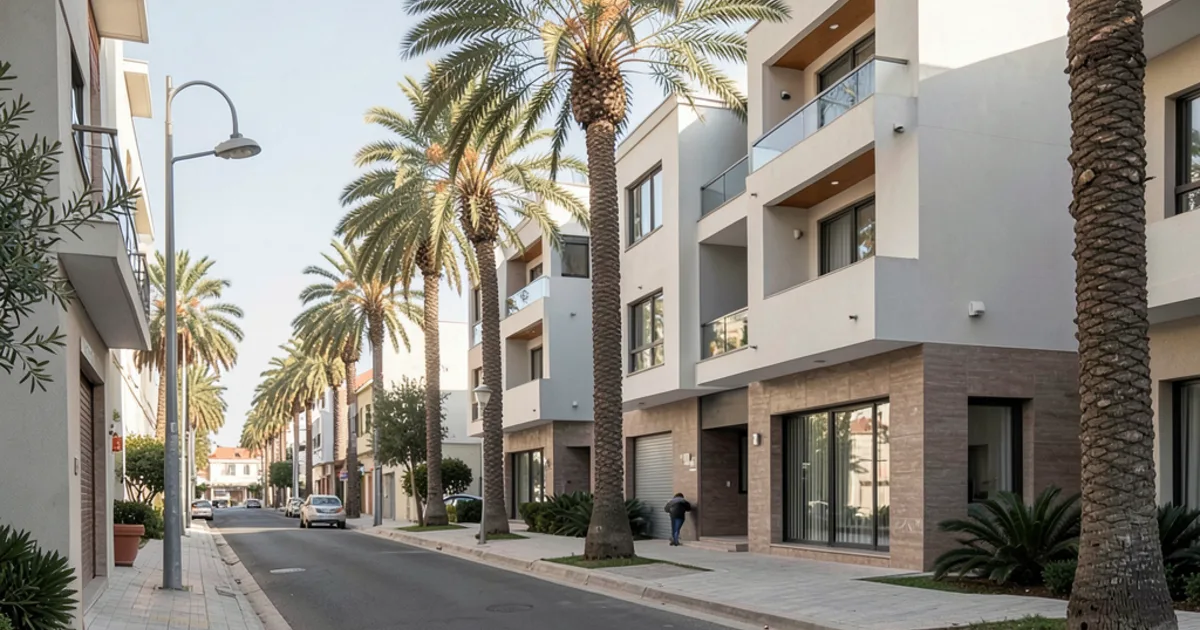
Ramat Beit Shemesh Gimmel represents the newest frontier for the Anglo community, offering a fresh canvas of modern living and community growth. For many prospective residents, the primary dilemma lies in whether to purchase an off-plan property directly from a developer or to seek out a resale apartment in an established building. This decision involves more than just selecting a floor plan; it dictates your financial strategy, your risk tolerance, and your timeline for moving in. Understanding the nuances of the Israeli real estate market is essential to making an informed choice in this rapidly evolving area.
- Defining the terms: What off-plan and resale mean in RBS Gimmel
- Analyzing the financial landscape and payment structures
- Evaluating the risks associated with off-plan developments
- The advantages of certainty in resale properties
- Investment potential and long-term appreciation
- Navigating the legal complexities and the Tabu
- Understanding tax implications: Mas Rekhisha and Mas Shevah
- Lifestyle considerations in a developing neighborhood
- Financing your purchase: Mashkanta and the Shama'i
- The 'Newness' Factor: Energy, Efficiency, and Modernity
- A final checklist for the RBS Gimmel buyer
Defining the terms: What off-plan and resale mean in RBS Gimmel
In the context of the RBS Gimmel real estate market, 'off-plan' refers to purchasing a property that is currently in the planning or construction stages. When you buy off-plan, you are essentially entering into a contract with a developer to receive a finished product at a future date. This often involves a series of staged payments that coincide with construction milestones, allowing buyers to secure a price before the building is even completed.
Resale, on the other hand, involves purchasing a property from an existing owner rather than directly from a developer. These properties are typically 'ready-to-move-in' or at least part of a completed building where the ownership is already registered in the Tabu (the Israel Land Registry). Resale transactions in Gimmel might involve newer apartments that have just been finished, or properties that have been occupied for a short period.
The distinction between these two paths is fundamental to your lifestyle planning. An off-plan purchase is a commitment to a future state, requiring patience and a willingness to navigate the uncertainties of construction. A resale purchase is a transaction for a tangible, existing asset that you can inspect, walk through, and potentially occupy almost immediately after the legal process is finalized.
- Off-plan: Buying from a developer based on architectural blueprints.
- Resale: Buying from a private individual or an existing owner.
- Gimmel Context: Off-plan is common in new phases; resale is found in recently completed blocks.
Analyzing the financial landscape and payment structures
One of the most significant differences between these two options is how you manage your cash flow. Off-plan developments often provide developers with flexible payment plans, sometimes referred to as 'staged payments.' Instead of paying the full amount upfront, you might pay a certain percentage upon signing the binding memorandum, followed by installments linked to the progress of the construction, such as the completion of the foundation or the topping-out ceremony.
Resale properties typically demand a much more immediate financial commitment. Once the purchase agreement is signed and the legal checks are completed, the buyer is usually expected to settle the balance through a combination of personal savings and a Mashkanta (mortgage). This often requires a significant down payment to be ready at the time of closing, making resale a more 'front-heavy' financial endeavor.
It is also vital to consider the impact of Mas Rekhisha (purchase tax) on your total budget. The tax rates are determined by the buyer's status and the price of the property. When buying off-plan, you must ensure your contract clearly outlines how and when these taxes are calculated, as the final price of the property might fluctuate slightly based on the developer's adjustments or changes in government tax legislation.
- Off-plan: Staged payments linked to construction milestones.
- Resale: Large upfront payment or immediate mortgage requirement.
- Tax Note: Always calculate Mas Rekhisha based on the final agreed-upon purchase price.
Evaluating the risks associated with off-plan developments
While the allure of a new home is strong, off-plan purchasing carries inherent risks that every RBS Gimmel buyer must acknowledge. The most prominent risk is construction delay. Despite the binding memorandum (the contract) often including estimated completion dates, unforeseen circumstances such as supply chain issues, labor shortages, or municipal delays can push the delivery date back by months or even years.
There is also the risk of 'delivery discrepancy,' where the finished apartment does not perfectly match the initial marketing materials or the floor plans provided during the sales phase. While developers are legally bound to certain standards, minor changes in layout, window placement, or even the quality of finishes can occur. This is why having a qualified lawyer review the technical annexes of your contract is non-negotiable.
Furthermore, the broader economic environment can impact off-plan buyers. If the market experiences a downturn during the construction period, the value of the property upon completion might be different than what was anticipated. While many believe new builds appreciate well, it is important to approach these projections with a sense of realism rather than guaranteed optimism.
- Construction Delays: Potential for extended wait times beyond the contract date.
- Specification Risk: Discrepancies between the initial model and the final build.
- Market Volatility: The risk of changing property values during the build phase.
The advantages of certainty in resale properties
For many families moving to RBS Gimmel, the primary advantage of a resale property is the elimination of uncertainty. When you buy a resale apartment, you are buying a physical reality. You can walk through the rooms, check the natural light, see the actual view from the balcony, and inspect the condition of the plumbing and electrical systems. This level of transparency is impossible with an off-plan purchase.
Resale properties also offer immediate utility. If your family is currently renting and needs to move quickly due to school cycles or work changes, a resale property can be closed and occupied much faster than a new build. This eliminates the 'limbo' period where you are paying both a mortgage/installment and rent simultaneously, which can be a significant drain on household finances.
Additionally, buying resale allows you to assess the immediate community and building management. You can observe how the neighbors interact, how the Arnona (municipal tax) is managed, and whether the building's common areas are well-maintained. This provides a 'vibe check' of the neighborhood that a blueprint simply cannot convey.
- Immediate Occupancy: No waiting for construction to finish.
- Physical Inspection: The ability to verify every aspect of the unit before signing.
- Community Insight: Assessing the actual living environment and building upkeep.
Investment potential and long-term appreciation
Investors looking at RBS Gimmel often weigh the 'capital appreciation' potential of off-plan units against the 'rental yield' of resale units. Off-plan properties are frequently purchased at a lower entry price point. The theory is that as the building nears completion and the neighborhood matures, the value of the property will increase significantly, allowing the buyer to capture that growth.
Resale properties, particularly those in completed sections of Gimmel, offer a more stable path to rental income. Because the property is ready, you can begin collecting rent immediately. This creates a predictable cash flow that can help service a Mashkanta. For those looking for steady, long-term income rather than a large one-time gain, resale is often the preferred route.
It is also worth noting that 'newness' carries a premium in the Israeli market. A brand-new apartment with modern energy-efficient windows, updated insulation, and contemporary layouts will often command higher rents and attract more long-term tenants than an older resale unit. However, the initial cost of entry for these new builds is naturally higher, which must be factored into your ROI calculations.
- Off-plan Focus: Seeking high capital appreciation through lower entry prices.
- Resale Focus: Prioritizing immediate rental income and predictable cash flow.
- Value Factor: Modern amenities in new builds can command higher rental premiums.
Navigating the legal complexities and the Tabu
Regardless of which path you choose, the legal process in Israel is rigorous and requires professional guidance. For resale properties, the most critical step is verifying the property's status in the Tabu (the Land Registry). Your lawyer must ensure that the seller has the legal right to sell the property and that there are no hidden liens, mortgages, or legal disputes attached to the title.
In off-plan transactions, the legal focus shifts toward the strength of the binding memorandum. This document is the cornerstone of your protection. It must clearly define the construction timelines, the specifications of the unit, the payment schedule, and the remedies available to you if the developer fails to meet their obligations. A well-drafted contract is your only defense against the risks of development.
It is also important to be aware of the role of the municipality in approving plans. In a developing area like Gimmel, ensuring that the building has all the necessary permits (Hatzalat HaPlanim) is vital. Buying a property that is only in the 'planning' stage without proper municipal approval can lead to significant legal headaches and delays that could have been avoided.
- Tabu Verification: Ensuring clear title and no hidden encumbrances.
- Contractual Strength: The importance of a robust binding memorandum in off-plan deals.
- Municipal Compliance: Checking that all building permits are officially approved.
Understanding tax implications: Mas Rekhisha and Mas Shevah
Taxation is a major component of the total cost of ownership in Israel. When you purchase a property, you are responsible for Mas Rekhisha (purchase tax). The amount you pay depends on whether the property is your only residence and the total price paid. For many buyers in RBS, understanding the tiers of this tax is crucial for accurate budgeting, especially when calculating the total 'all-in' cost of a new development.
For resale transactions, the seller is typically responsible for Mas Shevah (capital gains tax). This tax is applied to the profit made on the sale of the property. While this is a cost for the seller, it can influence the negotiation process. Sellers may attempt to factor their expected Mas Shevah into the asking price, so it is important to negotiate based on the market value of the property itself.
You should also consider the long-term tax implications of your choice. For example, if you are buying an off-plan property as an investment, the timing of when you 'enter' the market versus when the property is completed can affect your tax planning. Always consult with a tax professional to understand how these levies will impact your specific financial situation in the Gimmel area.
- Mas Rekhisha: The buyer's responsibility; varies based on price and status.
- Mas Shevah: The seller's responsibility; based on the profit made from the sale.
- Budgeting Tip: Always include estimated taxes in your total acquisition cost.
Lifestyle considerations in a developing neighborhood
Buying in RBS Gimmel is not just a financial decision; it is a lifestyle choice. If you choose an off-plan property, you must be prepared to live in or near a construction zone for a significant period. This means dealing with noise, dust, and heavy machinery in the surrounding area. For families with young children or those who value peace and quiet, this is a factor that requires careful consideration.
Resale properties in Gimmel may offer a more settled atmosphere, but they might also be located in areas that are already quite dense. The 'newness' of an off-plan neighborhood often comes with better-planned green spaces and modern communal facilities, whereas resale areas might have more established, albeit perhaps less modern, infrastructure.
The evolution of the community is also a factor. In the early stages of Gimmel, off-plan buyers are essentially the pioneers of the neighborhood. As more residents move into completed resale buildings, the community becomes more robust, with more local amenities, schools, and shops. Deciding whether you want to be an early adopter or join an established community is a key part of the decision-making process.
- Construction Environment: Noise and dust associated with new builds.
- Infrastructure: Modern planning in new builds vs. established utility in resale.
- Community Growth: Being a 'pioneer' in new phases vs. joining a settled neighborhood.
Financing your purchase: Mashkanta and the Shama'i
Securing a Mashkanta (mortgage) can be more complex for off-plan properties than for resale ones. Banks are generally more cautious when lending against a property that does not yet exist in its finished form. They will require a detailed assessment of the developer's stability and the project's viability. This often means you may need a larger down payment for an off-plan unit to satisfy the bank's risk requirements.
For resale properties, the process is more standard. Once you have a signed contract, the bank will send a Shama'i (an independent appraiser) to value the property. The Shama'i's report is a critical document that determines the maximum amount the bank is willing to lend you. Because the property is already built, the appraisal process is straightforward and based on tangible evidence.
It is essential to begin your mortgage discussions early in the process. Whether you are looking at a new build in Gimmel or a resale unit, knowing your borrowing capacity will prevent you from falling in love with a property that is outside your financial reach. Remember that interest rates and mortgage terms can change, so staying informed about the current banking landscape is vital.
- Mortgage Complexity: Off-plan units may require higher down payments.
- The Shama'i Role: The appraiser's valuation is central to the loan amount.
- Early Planning: Start mortgage discussions before committing to a specific unit.
The 'Newness' Factor: Energy, Efficiency, and Modernity
One of the most compelling arguments for off-plan or new-build properties in RBS Gimmel is the standard of construction. Modern building codes in Israel have become increasingly stringent, focusing on energy efficiency, better insulation, and improved security features. A brand-new apartment is much more likely to feature modern HVAC systems, high-quality double-glazing, and smart-home capabilities.
These modern features are not just about comfort; they have long-term financial implications. Energy-efficient homes typically result in lower monthly electricity and heating costs, which is a significant advantage for families managing a budget. Furthermore, new buildings are often designed with better accessibility and more efficient layouts that maximize space.
Resale properties, while often more affordable or more established, may require significant renovation to meet modern standards. If you buy a resale unit that is ten or fifteen years old, you might find yourself spending additional capital on updating the kitchen, the bathrooms, or the electrical systems. When comparing prices, always consider the potential 'renovation cost' of a resale unit versus the 'premium' of a new build.
- Energy Efficiency: Lower utility costs in newer constructions.
- Modern Amenities: Integrated smart-home tech and better layouts.
- Renovation Costs: The hidden expense of updating older resale properties.
A final checklist for the RBS Gimmel buyer
To make the right decision, you must align your purchase with your personal objectives. If your goal is immediate residency and you want to see exactly what you are paying for, resale is likely your best path. If you have a longer timeline and are looking to capitalize on the growth of the Gimmel neighborhood, off-plan may offer the most significant financial upside.
Before making any commitments, ensure you have assembled your professional team. This includes a lawyer who understands the nuances of Israeli real estate, a mortgage advisor to navigate the Mashkanta process, and perhaps a local agency to provide market context. Never rely solely on the information provided by a developer; always seek independent verification.
Finally, perform a thorough audit of your finances. Calculate not just the purchase price, but the Mas Rekhisha, the potential renovation costs, the monthly Arnona, and the projected mortgage payments. A successful real estate investment in Ramat Beit Shemesh is built on a foundation of meticulous planning and a clear understanding of both the rewards and the risks.
- Goal Alignment: Residency vs. Investment.
- Professional Team: Lawyer, Mortgage Advisor, and Local Agency.
- Financial Audit: Total cost of ownership, not just the sticker price.
FAQ
Is it safer to buy off-plan in RBS Gimmel?
Off-plan buying carries more risk due to potential construction delays and changes in specifications. However, these risks can be mitigated by hiring a specialized lawyer to review the binding memorandum and ensuring the developer has a strong track record.
Can I get a mortgage for an off-plan apartment?
Yes, but it is often more complex than a resale mortgage. Banks typically require a higher down payment and will perform a more rigorous assessment of the developer and the project's progress before releasing funds.
Why is resale sometimes more expensive than off-plan?
Resale properties often command a premium because they are ready for immediate use and offer certainty. You are paying for the convenience of not waiting for construction and the ability to inspect the physical asset immediately.
What is the most important legal document in an off-plan purchase?
The binding memorandum (the contract) is the most critical document. It defines your rights, the developer's obligations, the payment schedule, and the penalties for delays, serving as your primary protection.
Get your personalised shortlist
Listings and up-to-date info, straight to your inbox, free, no obligation.
See RBS homes →