Buying a home in RBS as a retiree: Quiet neighborhoods and amenities
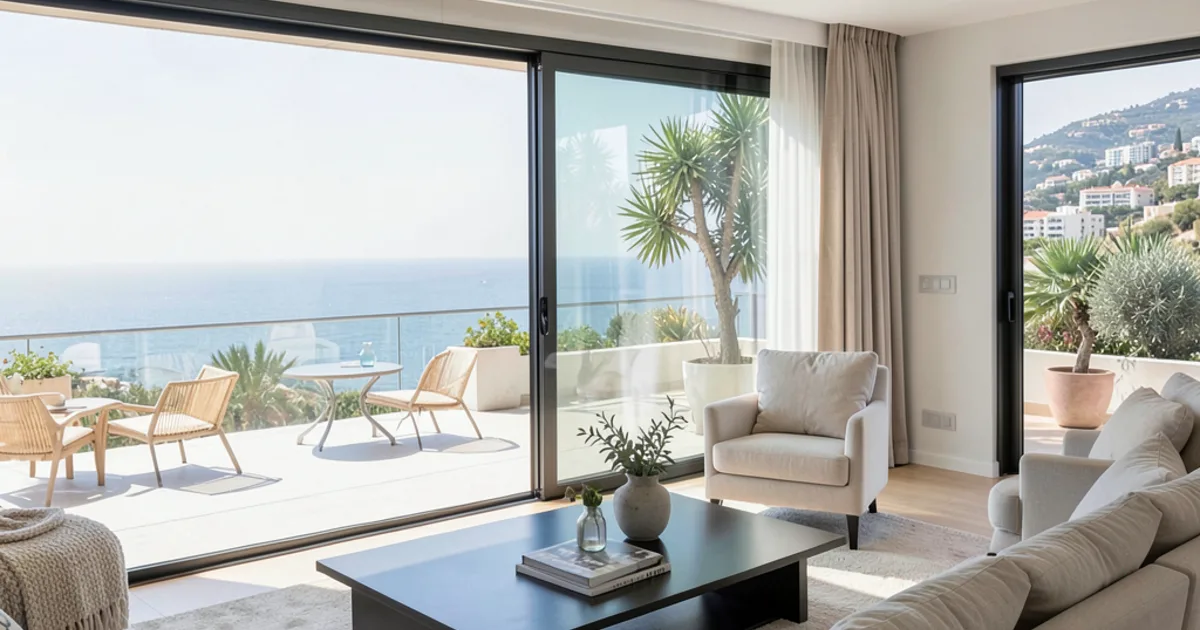
Retiring to the Judean Hills offers a unique blend of spiritual fulfillment, community warmth, and a high quality of life. For many English-speaking retirees, Ramat Beit Shemesh (RBS) represents the ideal 'Anglo heartland,' providing a familiar cultural atmosphere within the beautiful landscape of Israel. However, choosing the right neighborhood requires more than just finding a beautiful view; it requires a strategic look at accessibility, local amenities, and long-term practicalities. This guide explores the nuances of living in RBS as a senior, helping you navigate the transition with confidence.
- Understanding the Neighborhood Landscape in Ramat Beit Shemesh
- Prioritizing Accessibility and Mobility in Senior Living
- Finding Peace in RBS Alef: The Established Choice
- Exploring RBS Bet: A Balance of Community and Convenience
- RBS Gimmel and Newer Neighborhoods: Future-Proofing Your Lifestyle
- The Charm and Challenges of Old Beit Shemesh
- Navigating the Financial Realities of Israeli Real Estate
- The Legal Framework: Securing Your Investment
- Integrating into the Community: Language and Social Life
- Practical Considerations: Healthcare and Local Services
- Planning for the Future: Maintenance and Management
- Making the Move: A Step-by-Step Guide for Retirees
Understanding the Neighborhood Landscape in Ramat Beit Shemesh
Ramat Beit Shemesh is not a monolithic entity; rather, it is a collection of distinct neighborhoods, each with its own unique character, topography, and demographic profile. For a retiree, understanding these distinctions is the first step in finding a home that aligns with your lifestyle. Some areas offer the bustling energy of a growing community, while others provide the quiet, established atmosphere that many seniors seek for their golden years.
The development of the city has moved in waves, starting from the historic roots of Old Beit Shemesh and moving outward into the planned expansions of RBS Alef, Bet, and Gimmel. Each of these sectors offers different levels of infrastructure and proximity to essential services. While Alef is often seen as the established core, the newer developments in Bet and Gimmel offer modern building standards that may be more conducive to aging in place.
When evaluating these areas, it is important to consider the 'feel' of the neighborhood. A retiree might prioritize a neighborhood with frequent walking paths and proximity to a local synagogue, whereas someone looking for more seclusion might prefer the outskirts of the newer developments. The geography of the region, characterized by hills and valleys, also plays a significant role in how these neighborhoods connect and how easy they are to navigate.
- RBS Alef: The established, central heart of the community.
- RBS Bet: A growing area with modern residential layouts.
- RBS Gimmel: The newest frontier, featuring contemporary infrastructure.
- Old Beit Shemesh: The historic and culturally rich foundation.
Prioritizing Accessibility and Mobility in Senior Living
As we age, the physical layout of our environment becomes increasingly important. In a hilly region like Beit Shemesh, topography can be a significant factor in daily mobility. For retirees, a neighborhood with manageable inclines or a central hub that is easily accessible by foot or local transport is highly advantageous. It is worth noting that many parts of RBS are built on steep terrain, which can make walking to a local grocery store or pharmacy a challenge if your home is located on a high ridge.
Modern apartment buildings in the newer sectors of RBS are generally designed with elevators, often referred to in local terms as a 'ma'alit,' which is a vital feature for anyone wishing to avoid stairs. When viewing properties, always verify the reliability and maintenance of the elevator system. Furthermore, look for buildings that offer level access from the street or garage to the main entrance, as this can greatly simplify daily movements and reduce the risk of falls.
Beyond the building itself, consider the 'walkability' of the surrounding streets. Are there well-maintained sidewalks? Is the area close to a central shopping center or a local 'miflat' where essential services are clustered? For many retirees, being able to reach a pharmacy, a bakery, or a doctor's office without needing to rely heavily on a car provides a much-needed sense of independence and ease.
Finding Peace in RBS Alef: The Established Choice
RBS Alef is often the first choice for many newcomers because it is the most established part of the community. The streets are lined with mature trees, and the neighborhood has a settled, stable feel that is hard to replicate in newer areas. For a retiree, this can mean a sense of immediate belonging and a community that is already well-integrated. The amenities in Alef are highly accessible, with many shops and services located within walking distance for those living in the central parts of the neighborhood.
However, because Alef is the older, central hub, it can also be the most densely populated. This means that while it is convenient, it may lack the absolute quiet that some retirees crave. There is more foot traffic, more noise from local businesses, and a higher density of residents. If you are looking for a peaceful retreat, you may need to look for homes located on the quieter residential side streets rather than those facing the main thoroughfares.
The advantage of Alef is the proximity to established communal institutions. Synagogues, community centers, and local schools are all well-established here. For a retiree who values social engagement and wants to be in the thick of community life, Alef offers an unparalleled level of convenience. You are never far from a friendly face or a community event, making the transition into Israeli life feel much smoother.
Exploring RBS Bet: A Balance of Community and Convenience
RBS Bet represents a middle ground in the development of the city. It offers a more modern residential feel than Alef, with many of the buildings being relatively recent constructions. This often means that the apartments feature more contemporary layouts, which can be beneficial for retirees who want more open living spaces or modern kitchen designs. The infrastructure in Bet is generally well-planned, with a focus on accommodating the growing population.
One of the key draws of RBS Bet is the balance it strikes between being part of a vibrant community and offering a slightly more relaxed pace than Alef. While it is certainly active, the residential pockets in Bet often feel more spacious. This can provide a sense of privacy that is sometimes difficult to find in the more crowded streets of the older neighborhoods. For many, this makes it an ideal location for those who want to be close to the action without being overwhelmed by it.
When considering RBS Bet, it is wise to look at the specific sub-neighborhoods. Some areas are closer to the commercial centers and may experience more noise, while others are tucked away in quieter residential zones. As with any growing area, it is important to check the long-term development plans of the municipality to ensure that your peaceful view isn't slated to be replaced by a new construction project in the near future.
RBS Gimmel and Newer Neighborhoods: Future-Proofing Your Lifestyle
For the retiree who prioritizes modern amenities and the latest in building technology, RBS Gimmel offers an exciting prospect. As one of the newer sectors, the infrastructure here is being built with contemporary standards in mind. This often includes wider sidewalks, more integrated green spaces, and buildings that are designed to be more energy-efficient. For someone looking to 'future-proof' their living situation, the newer developments in Gimmel can be very appealing.
The advantage of living in a newer area is the potential for a much higher standard of accessibility. The latest building codes in Israel place a greater emphasis on elevator access, ramps, and barrier-free environments. This can be a significant benefit as you age, ensuring that your home remains functional and comfortable for decades to come. Additionally, the layouts in these newer buildings often allow for more modern adaptations, such as larger bathrooms or easier kitchen access.
However, there is a trade-off to consider. Newer neighborhoods may lack the immediate sense of community that is found in Alef. It can take longer for social circles to form and for the local 'vibe' to settle. Furthermore, because these areas are still in development, you may encounter more construction noise or temporary disruptions in the surrounding area. For some retirees, this is a small price to pay for the benefit of living in a state-of-the-art environment.
The Charm and Challenges of Old Beit Shemesh
Old Beit Shemesh holds a special place in the heart of many who move to the region. It offers a sense of history and character that the newer, more planned neighborhoods simply cannot match. The architecture, the narrow streets, and the deep-rooted traditions create an atmosphere that feels timeless. For a retiree who appreciates heritage and a sense of place, Old Beit Shemesh can be incredibly charming and culturally enriching.
Despite its charm, Old Beit Shemesh presents unique challenges, particularly regarding accessibility. The topography can be quite rugged, and many of the older buildings were not designed with modern accessibility standards in mind. You may find that many homes lack elevators, or that the streets are difficult to navigate with a walker or even a sturdy pair of walking shoes. It is essential to conduct thorough site visits to ensure that the physical reality of the neighborhood matches your mobility needs.
Socially, Old Beit Shemesh is a very tight-knit community. The connections between neighbors are often deep and long-standing. For a retiree, this can mean an incredible support system and a very warm welcome. However, it can also mean that the community is quite traditional, which is something to consider if you are looking for a different type of social environment. It is a place where everyone knows everyone, which is both a blessing and a challenge depending on your personality.
Navigating the Financial Realities of Israeli Real Estate
Purchasing property in Israel involves several specific taxes and costs that are important to factor into your retirement budget. The most significant of these is the 'Mas Rekhisha,' or purchase tax. The amount of this tax depends on several factors, including the total value of the property and whether you are considered a first-time buyer or if this is an additional property. It is crucial to consult with a tax professional to understand exactly how much you will need to set aside for this transaction.
If you are the one selling a property to fund your move, you must also be aware of 'Mas Shevah,' which is the capital gains tax. This tax is applied to the profit made on the sale of a property. While there are certain exemptions for primary residences, it is a critical component of the financial equation. Understanding the interplay between the taxes you pay as a buyer and the taxes you might owe as a seller is essential for a smooth transition.
Once you have acquired your home, you will be responsible for 'Arnona,' the municipal property tax. Arnona is a recurring cost that is calculated based on the size and location of your property. It is important to budget for this as a permanent part of your monthly or annual expenses. The rates can vary significantly between different parts of Beit Shemesh, so it is worth inquiring about the local Arnona rates for the specific neighborhood you are considering.
For those who are not purchasing their home in full with cash, a 'Mashkanta,' or mortgage, is a common way to finance the purchase. Obtaining a mortgage in Israel involves a rigorous process of credit checks and property valuations. Retirees should be particularly mindful of how mortgage terms and interest rates might impact their long-term cash flow. It is always wise to work with a financial advisor to ensure that your mortgage structure is sustainable throughout your retirement.
- Mas Rekhisha: The purchase tax paid by the buyer.
- Mas Shevah: The capital gains tax paid by the seller.
- Arnona: The ongoing municipal property tax.
- Mashkanta: The mortgage used to finance the purchase.
The Legal Framework: Securing Your Investment
The process of buying property in Israel is highly structured and requires professional legal guidance. One of the most important steps is verifying the property's status in the 'Tabu,' which is the official Land Registry. The Tabu provides the definitive record of ownership, liens, mortgages, and any other encumbrances on the property. Never enter into a purchase agreement without ensuring that a legal professional has conducted a thorough search of the Tabu to confirm the seller has the clear right to sell.
The cornerstone of the transaction is the 'binding memorandum,' or the formal purchase contract. This document outlines all the terms and conditions of the sale, from the final price to the closing date. Because this document is legally binding, it is imperative that a qualified lawyer drafts or reviews it on your behalf. A lawyer will ensure that your interests are protected and that all necessary contingencies, such as the successful transfer of funds or the clearing of existing debts, are clearly stated.
In many transactions, a 'notary' may also be required to authenticate certain documents or signatures. While a lawyer handles the heavy lifting of the contract and the Tabu, a notary provides an additional layer of legal verification for specific administrative tasks. Navigating these legal requirements can be daunting, especially if you are not a native Hebrew speaker, so having a professional who understands both the local laws and your specific needs is invaluable.
Finally, remember that the closing process involves more than just signing papers. It includes the formal transfer of ownership and the coordination of various municipal and registry updates. Ensuring that all parties follow the correct legal protocols is the only way to guarantee that your investment is secure and that you have undisputed ownership of your new home in RBS.
Integrating into the Community: Language and Social Life
One of the most rewarding aspects of retiring to RBS is the vibrant, English-speaking community. For many, the transition is made significantly easier by the presence of numerous social hubs and educational opportunities. One of the most effective ways to integrate is through an 'Ulpan,' which is a Hebrew language school. Even if you do not intend to become fluent, learning the basics of the language is a powerful tool for interacting with local shopkeepers, doctors, and neighbors.
Social integration often happens naturally through religious and communal institutions. Synagogues in RBS serve not only as places of worship but also as central meeting points where news is shared and friendships are forged. Many neighborhoods also have community centers that host lectures, social gatherings, and holiday celebrations. Engaging in these activities is one of the best ways to build a local support network and combat the isolation that can sometimes accompany retirement.
It is also helpful to recognize that while the community is very Anglo-centric, it is still part of Israel. Embracing the local customs and participating in the rhythms of Israeli life, from the local markets to the community holidays, will enrich your experience. The goal is to find a balance where you can enjoy the familiarity of the English-speaking community while also feeling deeply connected to the land and culture of your new home.
Practical Considerations: Healthcare and Local Services
As we age, proximity to healthcare services becomes a non-negotiable priority. Ramat Beit Shemesh is well-served by various medical facilities, including local clinics and pharmacies. When choosing a neighborhood, consider how close you are to a 'Kupat Cholim,' which is a health maintenance organization. Being able to reach your doctor or pick up a prescription quickly and easily can provide immense peace of mind.
In addition to local clinics, it is important to consider the proximity to larger hospitals and specialized medical centers. While the local clinics handle day-to-day needs, knowing that you have easy access to major medical facilities in the greater Beit Shemesh or Jerusalem area is essential for long-term security. If you rely on transportation for medical appointments, ensure your chosen neighborhood has good access to local transit or is easily reachable by taxi services.
Beyond healthcare, consider the availability of other essential services like grocery stores, post offices, and banks. A well-located home in a neighborhood like Alef or a central part of Bet can minimize the logistical burden of daily life. For many retirees, the convenience of having a pharmacy and a small grocery store just a short walk away is one of the greatest advantages of living in an established community.
Planning for the Future: Maintenance and Management
Owning a home in Israel comes with ongoing responsibilities that should be planned for in your retirement budget. One of the most common costs is the 'Va'ad Bayit,' or the building committee fee. This fee covers the maintenance of common areas, such as elevators, hallways, cleaning, and lighting. In larger apartment buildings, the Va'ad Bayit is essential for keeping the property in good condition and ensuring that shared amenities like elevators remain operational.
Home maintenance can also include more significant expenses, such as periodic renovations or repairs to plumbing and electrical systems. When purchasing a property, it is wise to assess the current condition of the building and the unit itself. Older buildings in Alef or Old Beit Shemesh may require more frequent upkeep than newer constructions in Gimmel. Budgeting for these potential costs will prevent them from becoming a financial strain later on.
Furthermore, consider the long-term management of your property. If you plan to travel frequently, you may need to arrange for someone to manage your home or handle local administrative tasks. Understanding how the local municipality and the building committee operate will give you more control over your living environment and ensure that your home remains a comfortable sanctuary for many years to come.
Making the Move: A Step-by-Step Guide for Retirees
The transition to a new life in RBS is a journey that requires careful planning and a methodical approach. Start by defining your non-negotiables: Do you need an elevator? How much walking are you comfortable with? How close do you need to be to a synagogue or a clinic? Having a clear set of criteria will help you filter through the many options available in the different neighborhoods of Beit Shemesh.
Once you have a sense of your needs, begin the research phase. This involves visiting the various neighborhoods at different times of the day to experience their unique atmosphere. Observe the noise levels, the ease of walking the streets, and the overall community feel. It is also helpful to speak with other retirees who have already made the move; their firsthand experiences can provide invaluable insights that you won't find in a brochure.
Finally, once you have identified a potential home, move into the formal acquisition phase. This is where your professional team, your lawyer, your tax advisor, and potentially a local real estate agency, becomes essential. Follow the legal and financial protocols strictly, ensuring all documentation is in order and all taxes are accounted for. By taking a patient and informed approach, you can turn the dream of retiring in the Anglo heartland into a beautiful, lasting reality.
FAQ
Is RBS suitable for retirees with limited mobility?
RBS can be suitable, but it requires careful selection. You should prioritize newer neighborhoods like RBS Bet or Gimmel that offer modern elevator access and flatter terrain, and always verify that the building's entryways are easily accessible.
What are the primary taxes involved in buying property in Israel?
The main taxes are 'Mas Rekhisha' (purchase tax) paid by the buyer and 'Mas Shevah' (capital gains tax) paid by the seller. It is highly recommended to consult a professional to understand how these apply to your specific financial situation.
How easy is it to integrate socially as an English speaker in RBS?
Integration is generally very easy due to the large Anglo community. Between local synagogues, community centers, and the availability of Ulpan (Hebrew classes), there are many structured ways to meet people and build a social circle.
Do I need a lawyer to buy a home in Israel?
Yes, it is essential to hire a lawyer to handle the 'binding memorandum' and to perform a thorough check of the 'Tabu' (Land Registry). This ensures the property is legally clear and that your investment is fully protected.
What is Arnona and how does it work?
Arnona is a municipal property tax paid to the local municipality. The amount is typically based on the size and location of your property and is a regular, ongoing expense that should be included in your retirement budget.
Get your personalised shortlist
Listings and up-to-date info, straight to your inbox, free, no obligation.
See RBS homes →