Best neighborhoods in Ramat Beit Shemesh for young families with children
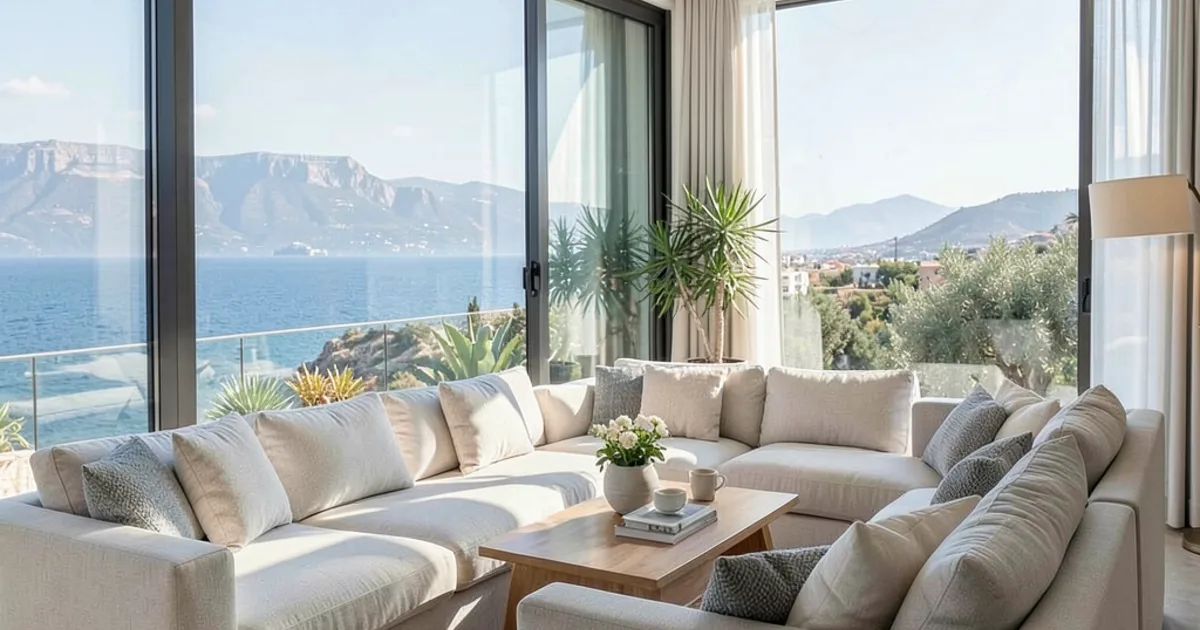
Choosing a neighborhood in Ramat Beit Shemesh is a decision that shapes the daily rhythm of your family's life. For many Anglo families, the city represents a unique blend of spiritual growth, community connection, and modern convenience. This guide explores the distinct characteristics of the various sectors to help you find the ideal environment for your children. We will examine everything from school proximity to the legal nuances of the Israeli property market.
Quick answer: Ramat Beit Shemesh is a planned community known for its family-oriented atmosphere, abundant green spaces, and proximity to educational institutions. It offers a quieter, suburban living experience compared to the main city, making it a popular choice for young families seeking a safe and organized environment.
- Understanding the unique layout of Ramat Beit Shemesh
- Why RBS Alef is the preferred choice for established communities
- Exploring the modern amenities of RBS Bet
- Is RBS Gimmel the right fit for your family's lifestyle?
- Comparing the atmosphere of Old Beit Shemesh to the newer sectors
- How to select a neighborhood based on educational needs
- The importance of green spaces and park accessibility
- What legal steps are required when purchasing property in Israel?
- Understanding the financial obligations of Israeli homeowners
- Managing the logistics of moving and settling into a new community
Understanding the unique layout of Ramat Beit Shemesh
Ramat Beit Shemesh is not a monolithic entity but rather a collection of distinct sectors, each offering a different lifestyle experience. The city has grown rapidly over the years, expanding from its historical roots into a sprawling urban center. This expansion has created a tiered system of neighborhoods, often referred to as Alef, Bet, and Gimmel. Each of these sectors serves a specific demographic and offers varying levels of infrastructure and community maturity.
For a family, understanding these divisions is the first step in a successful relocation. The way the city is laid out affects how you will navigate daily life, from grocery shopping to getting children to school. Some areas are designed for high-density living with apartment complexes, while others offer more space and a suburban feel. Recognizing these patterns helps you align your housing needs with the actual reality of the local geography.
It is also important to recognize that the 'feel' of the city changes as you move between these sectors. While the Anglo-centric identity remains a strong thread throughout much of the city, the level of integration with the broader Israeli population varies. This nuance is essential for families who want a specific balance of communal familiarity and local cultural immersion. Navigating these choices requires a deep dive into the specific characteristics of each area.
- RBS Alef: The established, central core.
- RBS Bet: The growing, modern expansion.
- RBS Gimmel: The newest, high-end developments.
- Old Beit Shemesh: The historical and cultural foundation.
Why RBS Alef is the preferred choice for established communities
RBS Alef serves as the foundational bedrock of the Anglo-centric community within the city. Because it was one of the first areas developed for this demographic, it possesses a sense of history and stability. Many of the families living here have deep roots, creating a social fabric that feels both warm and predictable. For a young family, this can provide an immediate sense of belonging and a ready-made support system of neighbors.
The primary advantage of RBS Alef is the incredible walkability of its residential blocks. Most essential amenities, including synagogues, local shops, and community centers, are located within a short distance of the homes. This allows parents to manage daily errands without being entirely dependent on a vehicle. The density of the area means that social interactions are frequent and spontaneous, which is excellent for raising children in a communal environment.
However, prospective buyers should approach the property search in Alef with a realistic mindset regarding infrastructure. Since many of the buildings were constructed several decades ago, you may encounter older architectural styles and systems. It is vital to conduct a thorough inspection of plumbing, electrical, and heating systems before committing to a purchase. While these homes offer significant charm, they may require more immediate maintenance than the newer builds in other sectors.
- High walkability to community hubs.
- Strong, established social networks.
- Central location for essential services.
- Mix of older, character-filled buildings.
Exploring the modern amenities of RBS Bet
RBS Bet represents the next chapter of the city's growth, offering a more modern approach to residential living. This sector was developed to accommodate the increasing demand for housing, resulting in a much higher proportion of newer apartment buildings. For many young families, this area is highly attractive because it combines modern construction with a sense of fresh beginnings. The streets are often wider, and the layout feels more planned and spacious than in the older sectors.
One of the standout features of RBS Bet is the emphasis on public parks and playgrounds. As the area was developed more recently, urban planners integrated green spaces more effectively into the residential fabric. You will find numerous playgrounds and seating areas designed specifically for families with young children. These spaces serve as vital communal hubs where children can play and parents can connect, fostering a sense of neighborhood identity.
While RBS Bet offers many advantages, the area is still in a state of active development. This means that you may encounter ongoing construction projects or temporary disruptions in certain pockets of the neighborhood. Additionally, because the area is more spread out than Alef, you may find that some services are not yet as centrally concentrated. Families should weigh the benefits of modern amenities against the evolving nature of the local landscape.
- Modern residential infrastructure and newer builds.
- Abundant parks and family-oriented green spaces.
- A sense of growth and community expansion.
- Planned urban layout with wider streets.
Is RBS Gimmel the right fit for your family's lifestyle?
RBS Gimmel is the newest frontier of urban living in Ramat Beit Shemesh, characterized by its high-end feel and contemporary design. This sector is often the target of developers looking to provide premium housing options for those seeking modern luxuries. The buildings here typically feature advanced amenities such as elevators, underground parking, and modern security systems. For families who prioritize a 'turn-key' lifestyle, Gimmel offers a level of convenience that is hard to find in older sectors.
The demographic in RBS Gimmel tends to be composed of families looking for a specific standard of living. The apartments are often larger and designed with modern family life in mind, featuring open-plan living areas and updated kitchens. This area is ideal for those who want to move into a community that feels fresh, organized, and technologically up-to-date. It provides a quieter, more suburban atmosphere while still being part of the larger city structure.
However, the premium nature of this sector often comes with a higher price point and different financial considerations. The cost of entry into RBS Gimmel may be higher than in Alef or Bet, which is a critical factor for any family's budget. Additionally, because it is a newer area, the community social structures may take longer to solidify. You will be part of a pioneering group of residents, which offers excitement but requires more personal effort to build a local network.
- High-end, modern apartment designs.
- Advanced amenities like parking and elevators.
- Quiet, suburban-style residential atmosphere.
- Ideal for families seeking premium construction.
Comparing the atmosphere of Old Beit Shemesh to the newer sectors
Old Beit Shemesh offers a completely different experience compared to the planned sectors of RBS. It is the historical heart of the city, characterized by a much more integrated Israeli-local atmosphere. Living here means being part of a diverse tapestry of residents, where the Anglo community exists alongside a large Israeli population. This provides a unique opportunity for cultural immersion and a more authentic connection to the local landscape.
For families, Old Beit Shemesh can be an excellent choice if you are looking for a more affordable entry point into the housing market. The property types are varied, ranging from older houses to compact apartments, and the pace of life often feels more grounded. However, it is important to note that the social dynamics and community services may differ significantly from the Anglo-centric hubs of RBS Alef or Bet. You may find fewer specialized services tailored specifically to the English-speaking community.
Navigating the logistics of Old Beit Shemesh also requires a different approach to daily life. The streets may be narrower, and the infrastructure may not be as modern as the newer developments. For families who want to be at the center of Israeli culture and enjoy a more traditional urban environment, this area is highly rewarding. It requires a willingness to adapt to a more diverse and bustling local lifestyle.
- Authentic, culturally diverse atmosphere.
- Potential for more affordable housing options.
- Deep connection to local Israeli life.
- Varied and historical architectural styles.
How to select a neighborhood based on educational needs
In Ramat Beit Shemesh, your choice of neighborhood is often inextricably linked to your choice of school. The city is home to a wide spectrum of educational institutions, ranging from Charedi and Dati Leumi to more modern Orthodox settings. Most families choose their location based on which school system aligns with their values and which is within walking distance. This proximity is a major factor in reducing the stress of morning school runs and afternoon pickups.
When evaluating neighborhoods, you must consider the specific 'educational character' of the area. Some sectors are predominantly populated by families who send their children to specific types of institutions, which in turn shapes the local community vibe. For example, a neighborhood centered around a certain school will often have a high concentration of families with similar lifestyles. This can make it much easier to form friendships and find support among peers.
It is also wise to look beyond just the immediate school and consider the broader educational infrastructure. This includes the availability of afternoon programs, extracurricular activities, and the presence of local study halls or community centers. A neighborhood that supports the holistic needs of a child is far more valuable than one that simply offers a school building. Always research the specific school's reputation and its logistical connection to the neighborhood you are considering.
- Alignment with religious and educational values.
- Proximity to schools to minimize travel time.
- Availability of extracurricular and afternoon programs.
- Influence of school demographics on community feel.
The importance of green spaces and park accessibility
For families with young children, the availability of high-quality green spaces is often a deciding factor in choosing a home. Parks, playgrounds, and open areas provide much-needed outlets for energy and opportunities for social interaction. In a growing city like Ramat Beit Shemesh, the quality and accessibility of these spaces can vary significantly between sectors. A neighborhood with well-maintained parks can significantly enhance the daily quality of life for both parents and children.
When touring potential homes, do not just look at the apartment; walk the surrounding streets to locate the nearest public spaces. Observe how the parks are being used, are they filled with families? Is the equipment well-maintained? A park that is central to the neighborhood serves as an informal community center where parents can bond while children play. This 'sidewalk social life' is a hallmark of successful family-oriented communities.
Furthermore, consider the safety and ease of access to these areas. Can a child walk to the playground safely? Are there clear paths that avoid heavy traffic? In newer sectors like RBS Bet, these considerations are often built into the urban design, whereas in older sectors, you may have to find your own 'hidden gems.' Prioritizing access to nature and play areas is an investment in your family's long-term well-being.
- Direct access to playgrounds and recreational areas.
- Opportunities for social bonding in public spaces.
- Importance of safety and ease of pedestrian access.
- Impact of green spaces on overall family well-being.
What legal steps are required when purchasing property in Israel?
Navigating the legalities of Israeli real estate requires a structured approach and professional guidance. The first and most critical step is verifying the property's status through the Tabu land registry. This ensures that the seller actually has the legal right to transfer ownership and that there are no unexpected liens or encumbrances on the property. A mistake at this stage can lead to significant complications later in the transaction, so never skip the due diligence process.
Once the property is verified, the negotiation phase leads to the creation of a binding memorandum, known locally as a Zichron Din. This document is the cornerstone of your purchase agreement and outlines all terms of the sale, including the final price, the payment schedule, and any conditions regarding the transfer of rights. It is essential that this document is drafted by a qualified attorney to protect your interests and ensure that all legal requirements are met.
Throughout the process, you may also need to involve a notary for various official certifications. The notary ensures that signatures are authentic and that the documentation meets the strict standards of Israeli law. While your lawyer handles the heavy lifting of the contract and the negotiation, the notary provides the necessary validation for specific legal acts. Working with a local agency can help you coordinate these various professionals smoothly during your transition.
- Verification through the Tabu land registry.
- Creation of a binding memorandum (Zichron Din).
- Involvement of a qualified attorney for contract drafting.
- Use of a notary for official document certification.
Understanding the financial obligations of Israeli homeowners
Purchasing property in Israel involves several distinct financial layers that go beyond the base purchase price. One of the most important is the Mas Rekhisha, or purchase tax. This tax is calculated based on the price of the property and your status (such as whether you are a first-time buyer), and it must be accounted for in your initial budget. Failing to plan for this can lead to unexpected shortfalls during the closing process.
Another critical consideration is the Mas Shevah, which is the capital gains tax. This is primarily relevant if you are selling a property to fund your new purchase. Understanding how this tax is applied to your current asset is vital for calculating your actual liquid capital. Additionally, once you own the property, you will be responsible for the Arnona, the municipal property tax. This is a recurring cost that varies depending on the size of the property and the specific municipality.
For most families, securing a Mashkanta, or mortgage, is a central part of the acquisition strategy. The Israeli mortgage market has specific regulations and processes that differ from those in other countries. It is highly recommended to consult with financial advisors to understand how interest rates and loan terms will impact your long-term monthly budget. Managing these various taxes and financing options requires careful, long-term planning.
- Mas Rekhisha (Purchase Tax) considerations.
- Mas Shevah (Capital Gains Tax) for sellers.
- Ongoing Arnona (Municipal Tax) obligations.
- Managing Mashkanta (Mortgage) and interest rates.
Managing the logistics of moving and settling into a new community
The transition to a new neighborhood in Ramat Beit Shemesh involves much more than just moving furniture. For many newcomers, especially those arriving from abroad, there is a learning curve associated with local systems. This includes everything from understanding how to pay your Arnona online to navigating the local transportation networks. Embracing the learning process early will make your integration much smoother and less stressful.
One of the most helpful resources for newcomers is the local Ulpan, which provides intensive Hebrew language training. While you may find that many people in the Anglo sectors speak English, learning the local language is essential for interacting with government institutions, medical professionals, and the broader community. It also provides a social bridge that helps you feel more connected to the Israeli landscape.
Finally, do not underestimate the importance of proactive community engagement. Once you have settled into your new home, make an effort to attend local events, visit the neighborhood synagogue, or join community groups. Building your own social network is a key part of making a new place feel like home. The community in RBS is generally very welcoming, but the effort to connect often begins with the individual resident.
- Learning local administrative and utility systems.
- Utilizing Ulpan for language and cultural integration.
- Navigating local transportation and logistics.
- Active participation in community-building activities.
FAQ
How do I verify the legal status of a property in Israel?
You should request a detailed report from the Tabu land registry to ensure the property is legally registered to the seller. It is highly recommended to have a qualified attorney review this documentation to check for any liens or legal disputes.
Get your personalised shortlist
Listings and up-to-date info, straight to your inbox, free, no obligation.
See RBS homes →