Best areas in RBS for young professionals looking for modern apartments
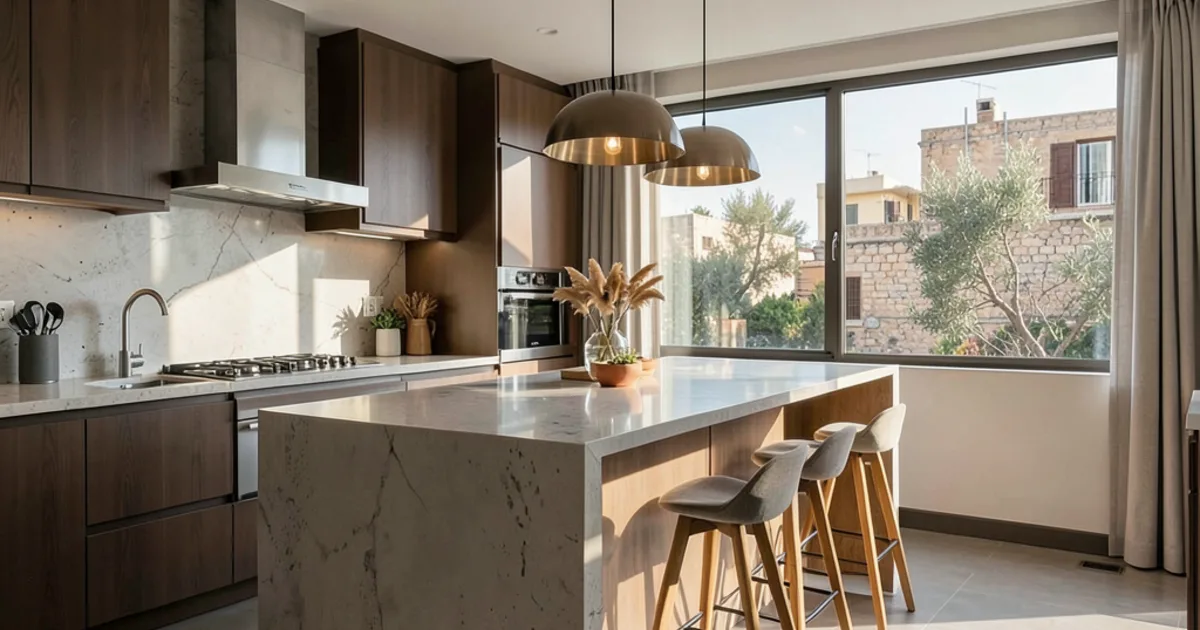
For many young professionals, finding a home that balances a modern lifestyle with a sense of community is a top priority. Ramat Beit Shemesh (RBS) has emerged as a premier destination, offering a unique blend of the 'Anglo heartland' culture and rapidly developing urban infrastructure. This guide explores the most strategic neighborhoods for those seeking contemporary apartments, proximity to transport, and long-term stability in the Israeli real estate market.
Quick answer: Ramat Beit Shemesh offers a balanced mix of established neighborhoods and new developments, making it ideal for young professionals seeking modern apartments. The area provides convenient access to Tel Aviv while maintaining a quieter, more affordable living environment suitable for a modern lifestyle.
- Finding Your Place in the RBS Real Estate Ecosystem
- RBS Alef: Character Meets Modernized Living
- RBS Bet: The Social Core for Young Professionals
- RBS Gimmel: The Premier Destination for Modern High-Rises
- Old Beit Shemesh: Urban Connectivity and Centrality
- Strategic Proximity: Evaluating Transport and Accessibility
- Navigating the Financial Landscape of Israeli Property
- Essential Legal Steps: From Tabu to the Binding Memorandum
- Calculating the True Cost of Living in RBS
- Building a Community: The Anglo Heartland Experience
- Modern Builds vs. Renovated Gems: Making the Right Choice
- Long-Term Considerations for the Young Professional Investor
Finding Your Place in the RBS Real Estate Ecosystem
The real estate landscape in Ramat Beit Shemesh is characterized by its rapid evolution and diverse residential offerings. For young professionals, the search often begins with a desire for modern amenities that are sometimes lacking in older, more established neighborhoods. This demographic typically seeks a balance between high-quality construction and a social environment that feels welcoming and culturally aligned with their lifestyle.
Understanding the distinction between the different sectors of the city is the first step in a successful property search. While some areas offer the charm of established streets and mature trees, others are currently undergoing massive transformations through new construction projects. Deciding whether you prioritize a ready-to-move-in modern unit or a property with future renovation potential is a fundamental decision that will shape your experience.
Navigating this market requires more than just a casual glance at listings; it demands an understanding of local zoning and development trends. As the city grows, the demand for efficient, modern living spaces continues to rise, particularly among those working in nearby hubs like Jerusalem or Tel Aviv. By focusing on areas with planned infrastructure, you can position yourself for both lifestyle satisfaction and potential long-term value.
- Identify your priority: Modern amenities vs. established community feel.
- Assess your commute requirements to major economic centers.
- Determine your budget for both initial purchase and ongoing maintenance.
RBS Alef: Character Meets Modernized Living
RBS Alef represents one of the more established sectors of the community, offering a sense of history and stability. While much of the area consists of older buildings, a significant trend for young professionals is the purchase of renovated apartments within these classic structures. This allows for a lifestyle that benefits from a mature neighborhood while enjoying updated kitchens, bathrooms, and flooring.
The advantage of living in Alef is the immediate access to a wealth of local services, schools, and community institutions. Because the neighborhood is well-settled, the social fabric is incredibly strong, making it easy for newcomers to find their footing. However, buyers should be aware that finding a truly 'new' build here may require looking at specific boutique projects or recent renovations.
For those interested in long-term growth, Alef is also a prime candidate for urban renewal projects like Pinui Binui. This process involves the demolition of older buildings to make way for much taller, modern residential towers. While this can lead to temporary construction noise, it offers a unique opportunity for residents to eventually live in high-end, modern apartments with significant value appreciation.
- Pros: Mature community, established services, and high social cohesion.
- Cons: Older infrastructure in some pockets; potential for construction disruption.
- Ideal for: Professionals who value community roots and renovated interiors.
RBS Bet: The Social Core for Young Professionals
RBS Bet is often considered the heart of the Anglo community, offering a vibrant atmosphere that is hard to replicate elsewhere. For young professionals, this area provides a perfect middle ground between the older Alef and the newer Gimmel. It features a mix of residential styles, ranging from older single-family homes to newer, multi-story apartment blocks that offer modern layouts.
The social life in RBS Bet is unparalleled, with numerous cafes, shops, and community centers located within walking distance. This makes it an ideal location for those who want to step out of their apartment and immediately feel part of a bustling, active environment. The proximity to essential services ensures that daily life is convenient and efficient.
When searching for modern apartments in Bet, focus on the newer developments that have been integrated into the existing neighborhood fabric. These units often feature contemporary design elements such as open-plan living areas and balconies, which are highly sought after by the younger demographic. The density of the area also means that transport links are generally well-serviced.
- Key Feature: High level of social activity and community engagement.
- Housing Mix: A diverse blend of renovated older units and new builds.
- Lifestyle: Highly walkable with easy access to local amenities.
RBS Gimmel: The Premier Destination for Modern High-Rises
For the young professional who demands the highest standards of modern living, RBS Gimmel is the most compelling option. This area is the frontier of new development in Ramat Beit Shemesh, characterized by large-scale construction projects and high-rise residential towers. These buildings are designed with the modern resident in mind, often including features like underground parking, high-speed elevators, and advanced security systems.
The apartments in Gimmel typically offer the most contemporary floor plans available in the region. You will find large windows that maximize natural light, sleek kitchen designs, and master suites that cater to a sophisticated lifestyle. For many, the ability to live in a building that feels brand new is a significant draw that outweighs the more traditional feel of older neighborhoods.
While Gimmel is further from the historic center, its development is closely tied to the expansion of local transport networks. The area is designed to accommodate a growing population, with wide roads and planned public transit routes intended to connect residents to the rest of the city and beyond. This makes it a strategic choice for those looking to invest in the future of the region.
- Primary Draw: Cutting-edge architecture and brand-new residential towers.
- Amenities: Often includes underground parking and modern security features.
- Investment Potential: High, due to the area's status as a growth zone.
Old Beit Shemesh: Urban Connectivity and Centrality
Old Beit Shemesh offers a completely different vibe compared to the planned neighborhoods of RBS, providing a more urban and diverse experience. For young professionals who work in larger metropolitan areas or who prefer a more cosmopolitan lifestyle, this area offers significant advantages in terms of connectivity. The proximity to major transport arteries and train stations makes commuting much more manageable.
The housing stock in Old Beit Shemesh is varied, but there is a growing segment of modern apartment buildings being constructed to meet the needs of a younger population. These units often provide a more compact, efficient way of living that appeals to those who spend more time out of the house than in it. While the community may feel less 'Anglo-centric' than RBS, the diversity can be a refreshing change of pace.
It is important to approach Old Beit Shemesh with a focus on specific streets and micro-neighborhoods. Some areas offer a high level of urban convenience, while others may feel more crowded or less organized. For a professional seeking a modern apartment with easy access to the train or major bus lines, a targeted search in the newer parts of the old city is essential.
- Best For: Commuters and those seeking an urban, diverse atmosphere.
- Transport: Excellent access to regional rail and major bus routes.
- Style: A mix of traditional urban living and new, compact developments.
Strategic Proximity: Evaluating Transport and Accessibility
For the modern professional, time is one of the most valuable commodities. Therefore, the proximity of your home to reliable transport links should be a non-negotiable factor in your decision-making process. In Ramat Beit Shemesh, this means evaluating the frequency and reliability of bus lines that connect the various neighborhoods to Jerusalem and the coastal plain.
When touring potential apartments, do not just look at the unit itself; look at the commute. Check how easy it is to access major highways and whether there are direct routes to the tech hubs or financial centers where you may be working. A modern apartment in a beautiful building loses much of its appeal if the daily commute becomes a source of significant stress.
Furthermore, consider the future of local infrastructure. The Israeli government and local municipalities frequently announce new projects, such as light rail expansions or improved highway interchanges. Purchasing in an area that is slated for improved connectivity can provide a significant advantage, both in terms of daily convenience and the long-term appreciation of your property value.
- Check: Proximity to major bus terminals and direct routes.
- Evaluate: Ease of access to highways for private vehicle owners.
- Research: Planned municipal infrastructure and transport improvements.
Navigating the Financial Landscape of Israeli Property
Purchasing property in Israel involves a specific set of financial considerations that differ from many Western countries. One of the first things you must account for is Mas Rekhisha, or purchase tax. The amount of tax you pay depends on several factors, including your residency status, whether you are buying as a single individual or a couple, and whether the property is your only residence.
Securing a Mashkanta, or mortgage, is another critical component of the acquisition process. Israeli banks offer various types of mortgage products, including fixed-rate and variable-rate options. It is vital to consult with financial advisors to understand how interest rate fluctuations might affect your long-term ability to service the debt. A well-structured mortgage is the foundation of a stable homeownership experience.
Finally, you must prepare for the tax implications when you eventually decide to sell. Mas Shevah, or capital gains tax, is applied to the profit made on the sale of a property. While there are exemptions for a primary residence, understanding the rules and how they apply to your specific situation is essential for accurate long-term financial planning.
- Mas Rekhisha: Understand how purchase tax applies to your status.
- Mashkanta: Evaluate different mortgage structures and interest risks.
- Mas Shevah: Factor in capital gains tax for future exit strategies.
Essential Legal Steps: From Tabu to the Binding Memorandum
A successful real estate transaction in Israel relies heavily on meticulous legal due diligence. The first step is always to verify the property's status in the Tabu, the official land registry. This ensures that the seller actually owns the property and that there are no undisclosed liens, mortgages, or legal encumbrances that could jeopardize your ownership.
Once the property is verified, the next major milestone is the signing of the binding memorandum, known in Hebrew as the 'Hover.' This document is the cornerstone of the sale, outlining all the terms and conditions agreed upon by both parties. It is not merely a formality; it is a legally binding contract that dictates everything from the closing date to the specific details of the handover.
It is strongly recommended that you engage a qualified lawyer to represent your interests throughout this process. A lawyer will not only draft the memorandum but will also conduct a thorough investigation into the building's permits, zoning laws, and any potential legal disputes. Relying on a professional ensures that you are protected from unforeseen complications that could arise during the closing process.
- Tabu: Always verify ownership and clear title through the land registry.
- Hover: Ensure the binding memorandum is comprehensive and accurate.
- Legal Counsel: Hire a specialized lawyer to manage the due diligence.
Calculating the True Cost of Living in RBS
When budgeting for a new home, the purchase price is only one part of the equation. You must also account for recurring monthly expenses that will impact your lifestyle. One of the most significant is Arnona, the municipal property tax. The rate of Arnona is determined by the size of the property and its location, and it is a mandatory expense for all residents.
In addition to municipal taxes, you will need to budget for Va'ad Bayit, or the building committee fees. In modern apartment buildings, especially those in RBS Gimmel, these fees can be higher due to the maintenance of elevators, security systems, underground parking, and shared amenities like gyms or landscaped gardens. It is important to ask for a detailed breakdown of these costs before committing to a purchase.
Other essential costs include electricity, water, and gas, as well as any private maintenance fees for your specific unit. For young professionals, it is wise to create a comprehensive monthly budget that includes these 'hidden' costs to ensure that your mortgage and lifestyle remain sustainable. Planning for these expenses upfront prevents financial strain in the months following your move.
- Arnona: Factor in municipal taxes based on property size.
- Va'ad Bayit: Account for building maintenance and shared amenities.
- Utilities: Budget for electricity, water, and gas consumption.
Building a Community: The Anglo Heartland Experience
One of the primary reasons young professionals gravitate toward Ramat Beit Shemesh is the unique social ecosystem. The 'Anglo heartland' provides a sense of familiarity and ease that can be difficult to find in other parts of Israel. This community is built on shared values, cultural nuances, and a robust network of support that helps newcomers integrate quickly.
Integration often begins through local institutions such as synagogues, schools, and community centers. For many, attending an ulpan (Hebrew language school) is not just about learning the language, but also about meeting neighbors and building social connections. The community is highly organized, with numerous events and volunteer opportunities that make it easy to get involved.
While the community is strong, it is also evolving. As more young professionals move into the area, the social scene is becoming increasingly diverse, with more opportunities for networking, professional development, and modern social gatherings. This blend of traditional community support and modern professional life makes RBS an ideal environment for personal and professional growth.
- Social Integration: Utilize local institutions and community centers.
- Language: Consider ulpan as a tool for both communication and connection.
- Networking: Engage with the growing professional demographic in the area.
Modern Builds vs. Renovated Gems: Making the Right Choice
Choosing between a brand-new apartment in a modern development and a renovated unit in an older building is a common dilemma. A new build in an area like RBS Gimmel offers the peace of mind that comes with modern engineering, energy efficiency, and contemporary design. These units are often 'turnkey,' meaning they require little to no immediate work, which is ideal for busy professionals.
On the other hand, a renovated apartment in RBS Alef or Bet offers a level of character and neighborhood maturity that new developments cannot match. These homes often feature higher ceilings or larger layouts than modern compact units. However, the renovation process itself requires significant time and oversight, and you must ensure the quality of the work performed by previous owners.
Ultimately, the decision should be based on your lifestyle priorities and your tolerance for renovation. If you value immediate convenience and cutting-edge amenities, a new build is likely your best path. If you prefer a sense of history and a more established social environment, a renovated gem may provide a more rewarding long-term living experience.
- New Builds: Best for convenience, modern tech, and turnkey living.
- Renovated Units: Best for character, mature neighborhoods, and space.
- Decision Factor: Balance your desire for modern style against community roots.
Long-Term Considerations for the Young Professional Investor
For many young professionals, a home in Ramat Beit Shemesh is not just a place to live, but also a significant financial asset. When evaluating a property, it is important to look beyond the immediate aesthetic and consider its long-term investment potential. Areas that are currently undergoing development, such as RBS Gimmel, often show strong potential for capital appreciation as the infrastructure matures.
Consider the 'exit strategy' when you first enter the market. Will this apartment be easy to sell or rent out in ten years? Properties that are located near transport hubs, within highly sought-after school districts, or in buildings with modern, low-maintenance amenities tend to hold their value better and attract more interest in the future.
Finally, keep a close eye on municipal planning and regional growth trends. The expansion of the city and the improvement of transportation links are key indicators of future value. By making an informed decision today that accounts for the city's growth trajectory, you can ensure that your residence in RBS serves as a foundation for your long-term financial stability.
- Appreciation: Focus on areas with planned infrastructure and growth.
- Liquidity: Prioritize properties that are easy to rent or sell.
- Strategy: Align your purchase with the city's long-term development goals.
FAQ
Is it better to buy a new apartment or a renovated one in RBS?
A new apartment offers modern amenities and less immediate maintenance, which is great for busy professionals. A renovated apartment often provides more character and a more established community feel, but may require more initial research into the quality of the renovation.
Get your personalised shortlist
Listings and up-to-date info, straight to your inbox, free, no obligation.
See RBS homes →